
Image Credit: Verne.
The fear induced by a Croatian man named Mate Rimac, who builds electric hypercars that accelerate so violently they threaten to separate your soul from your body, is a real thing. The Rimac Nevera rearranges your internal organs and then politely asks for $2 million for the privilege. I've piloted ships, flown planes, and driven more mad motors than a touring rock star, but nothing quite prepares you for this four-wheel electric anarchy.
So, you can imagine my surprise - and my relief - when I heard that Mate's latest invention isn't designed to break the sound barrier, but is instead designed to let you take a comfortable nap. It's a self-driving electric taxi called the Verne, and if it's the future of mobility, then sign me up for the waiting list, assuming I can still afford the stamp.
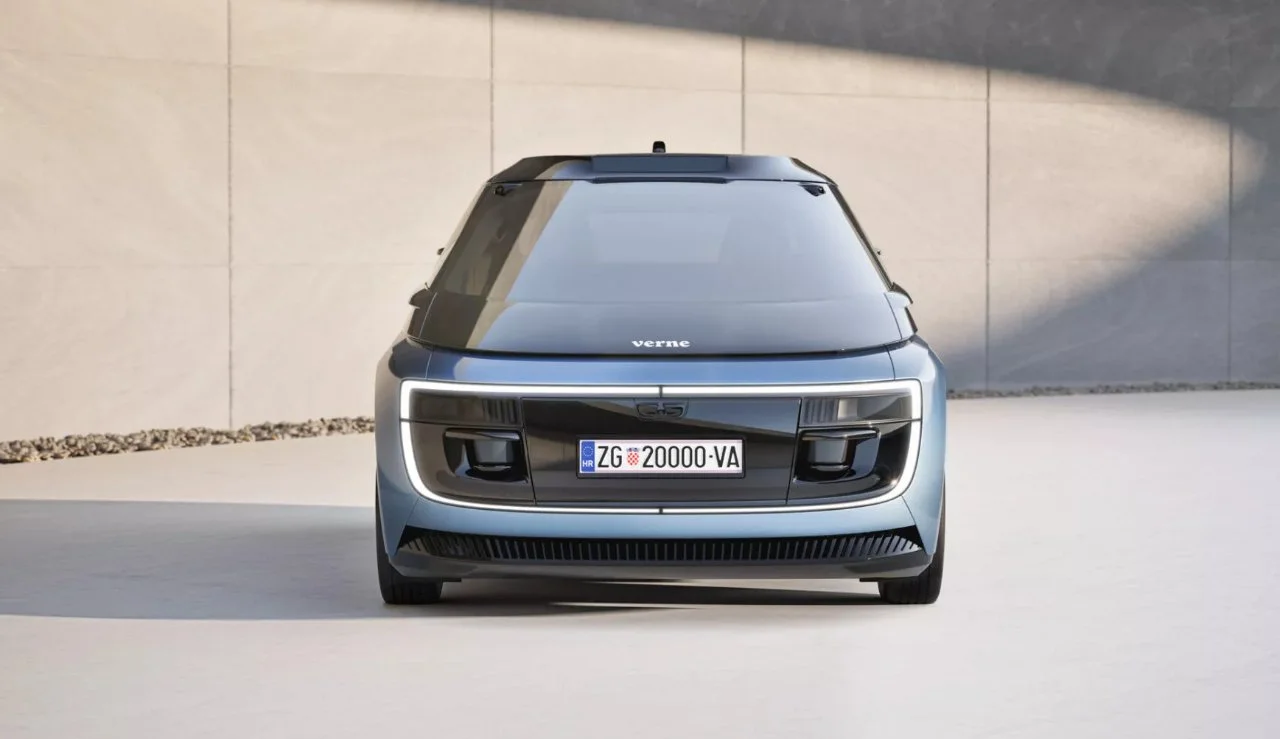
Image Credit: Verne.
The audacity of it is what gets me. Here we have a man who defines himself by the extreme pursuit of speed, only to turn around and build a pod that has absolutely no need for pedals or a steering wheel. Mr Rimac co-founded this new venture, Verne, which is not, as I initially hoped, a car that launches you to the moon, but an all-electric robotaxi that is scheduled to hit the streets of Zagreb, Croatia, in the Spring of 2026.
I'm told the company is named after Jules Verne, the legendary author, which makes perfect sense. Who else but a hypercar builder would name a vehicle after a guy who wrote a book about traveling to the center of the earth?
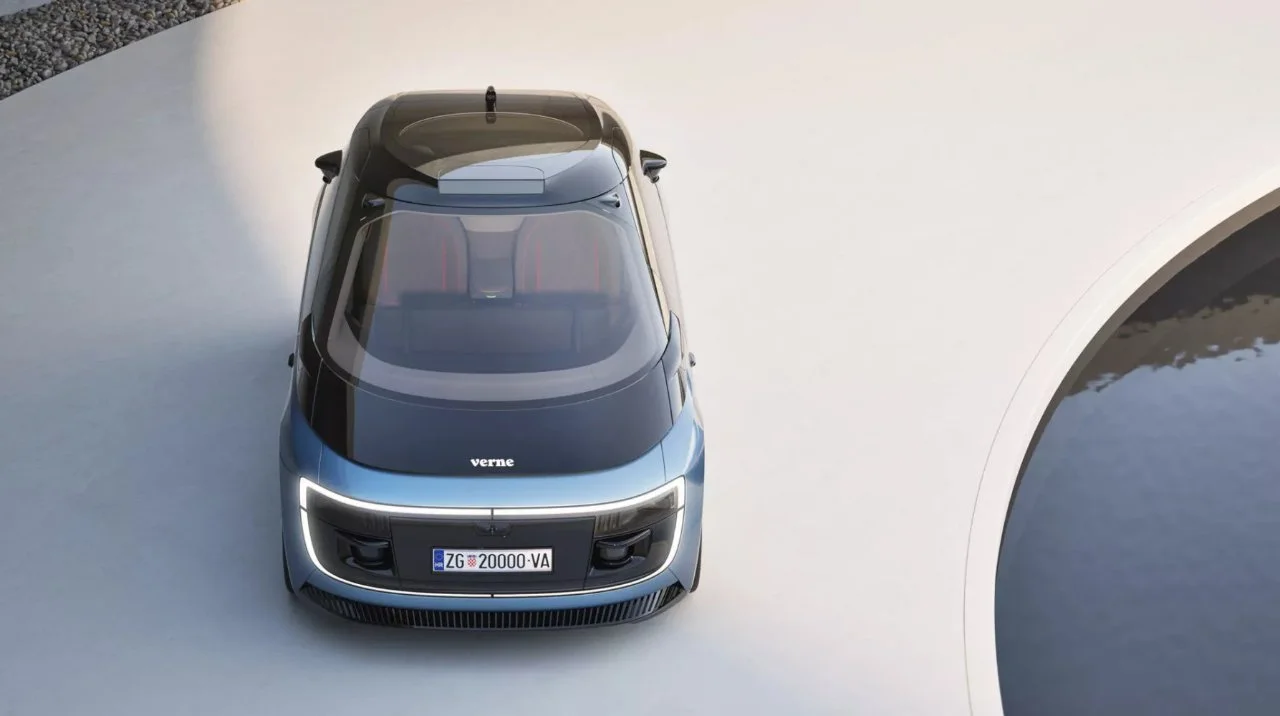
Image Credit: Verne.
Let's talk about the important bit: the technical specification. If you're expecting the sort of numbers Mate usually trots out, I'm afraid you'll be disappointed. This isn't a four-motor monster. Powering this electric pod is a sensible motor kicking out around 200 horsepower. That's enough grunt to haul a small hatchback full of groceries, which is precisely the point.
While Mate's Nevera can hit sixty miles per hour in less time than it takes me to find my reading glasses, the Verne is happy to trundle along, minding its own business. There's no 0-to-60 time listed, and honestly, the press release probably just said "eventually." This vehicle is all about the anti-thrill; it's for when you want to get somewhere efficiently, calmly, and without having to think about physics.
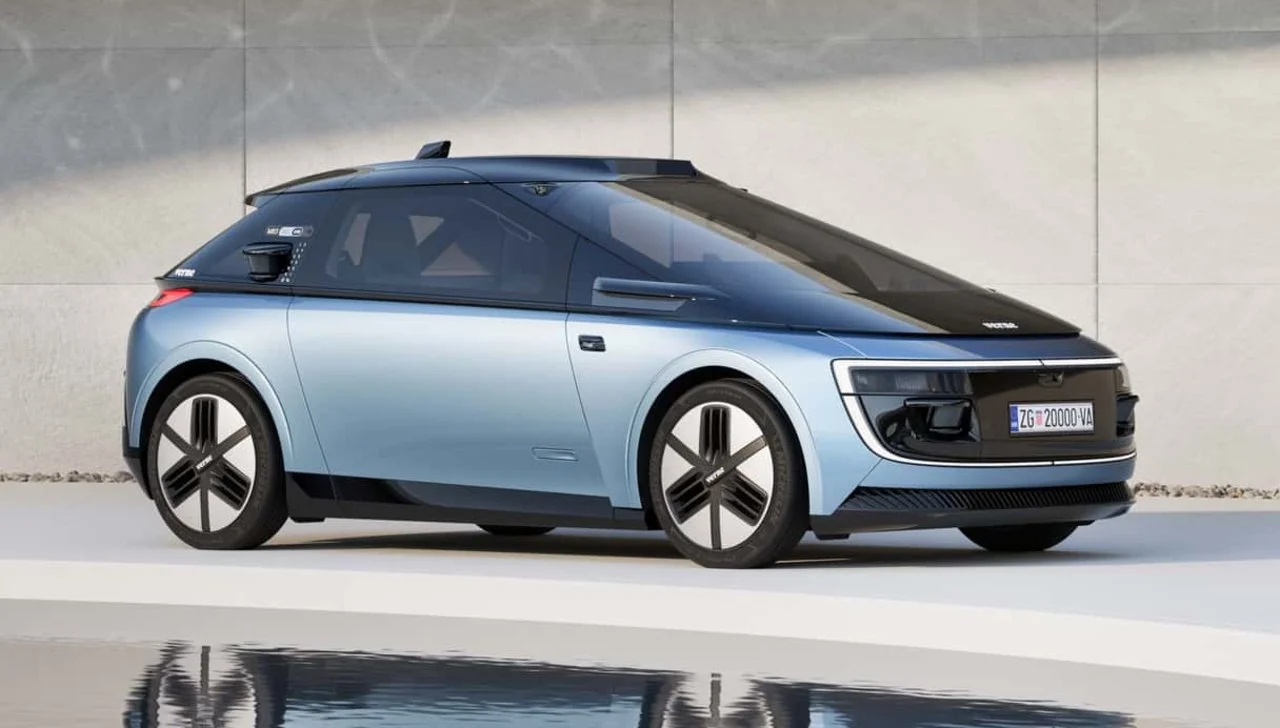
Image Credit: Verne.
The battery pack supporting this revolutionary new life of leisure is a 60 kWh LFP unit. LFP stands for Lithium Iron Phosphate, which is a sturdy, less exciting, but very reliable chemical makeup - it's the sensible, cardigan-wearing battery chemistry. This battery package grants the little pod an estimated driving radius of around 150 miles on a charge, which is absolutely fine for city traffic. Nobody needs a thousand miles of range to pop down to the bakery, unless you live in Texas, where the bakery is three counties over.
The best part? The company claims the battery allows for a full 14 hours of continuous driving before it needs a plug-in. That's a shift-and-a-half for the vehicle, meaning this little box of electronic tricks won't be wasting valuable passenger-napping time plugged into a wall.
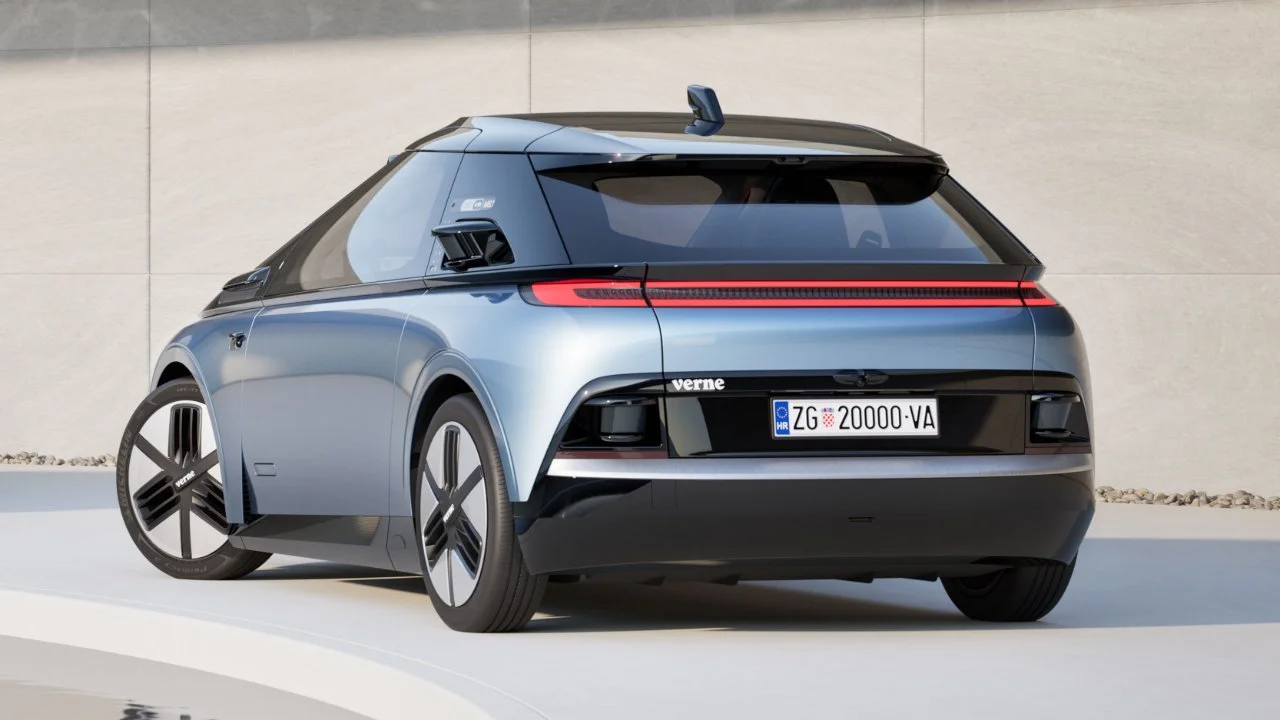
Image Credit: Verne.
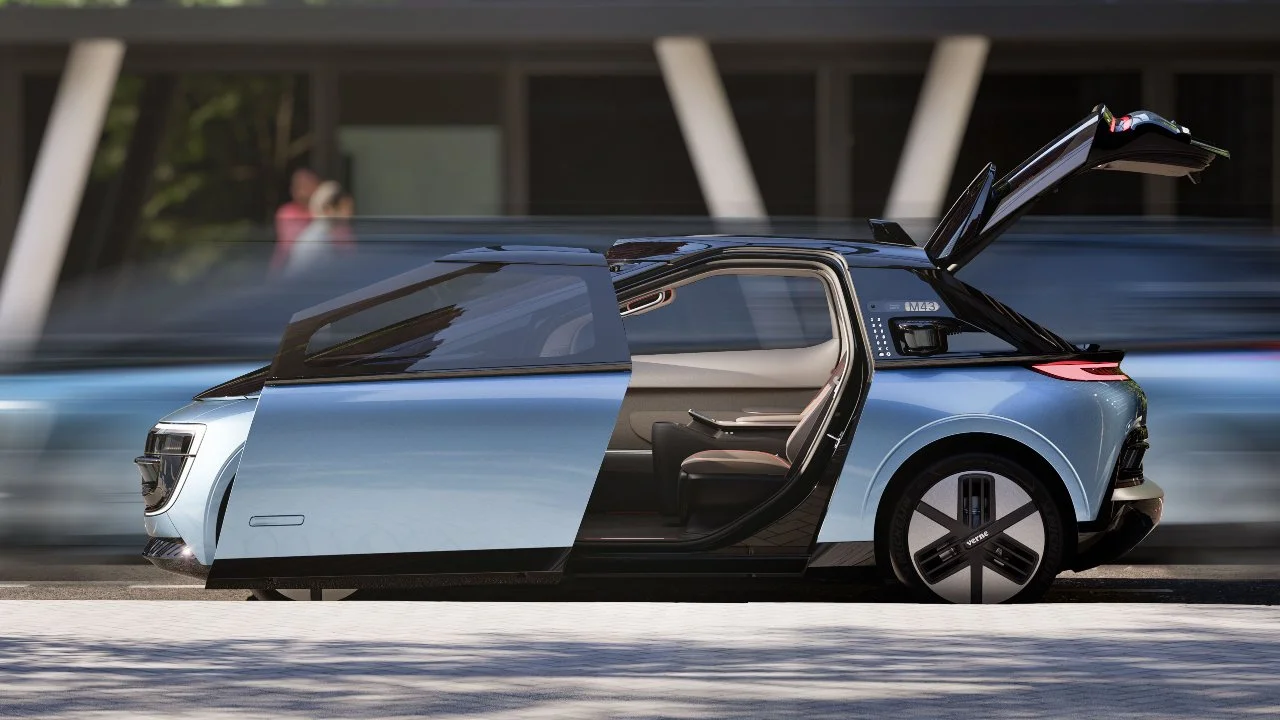
Despite the fact that the Verne is roughly the size of a Volkswagen Golf - making it delightfully easy to park, or for other drivers to simply not see - it features an interior that is generous. The two-door, purpose-built vehicle only seats two people. That's because the data boffins inform us that nine out of ten taxi rides involve only one or two passengers.
This simple fact allowed the engineers to junk the back seats and create a cabin that Rimac cheekily compares to what a CEO would find in the back of a chauffeured Rolls-Royce. I've been in a Rolls-Royce, and unless the Verne is upholstered in a thousand-year-old elk hide, that's a slight exaggeration, but the sentiment is spot on.
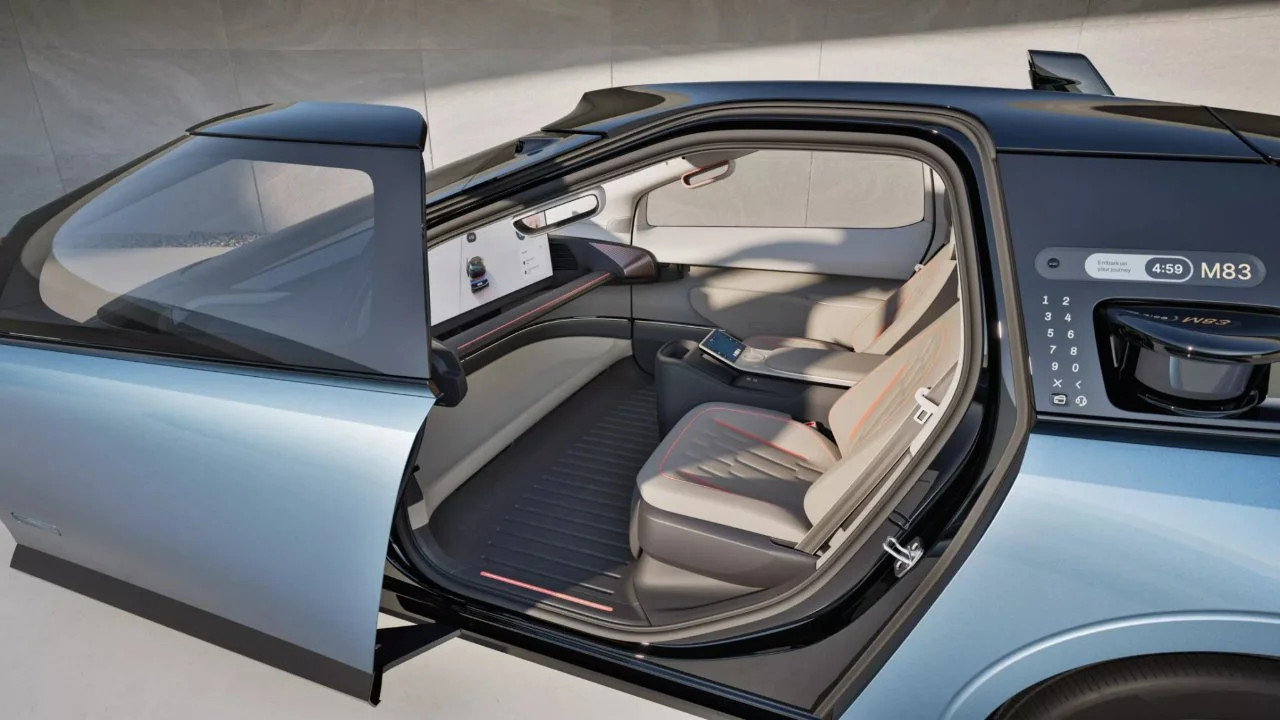
Image Credit: Verne.
Once you slide past the futuristic doors, which conveniently open sideways to avoid knocking over passing bicyclists, you'll realize this isn't a car; it's a living room with wheels. The whole interior is designed to be "less automotive" and features massive, lounge-style seats that can completely recline. I'm talking lie-flat, full-bore, sleeping-like-a-baby recline, complete with five different levels of comfort. You can even adjust the ambient lighting, the temperature, and the scent via a special app before your chariot arrives. If I can get a ride where the vehicle smells like a freshly baked lemon loaf, I might sell my own car right now.
The entire dashboard is dominated by a giant 43-inch screen for entertainment or journey information. Coupled with a 17-speaker sound system, you won't just be going from point A to point B; you'll be hosting a private, cinematic experience while the car does all the hard work. For those nervous souls who might not trust a machine with a mind of its own, the cabin has a special button called the "Median" which allows the passenger to start and stop the ride. It's like that big red "Panic" button, but with a much friendlier name.
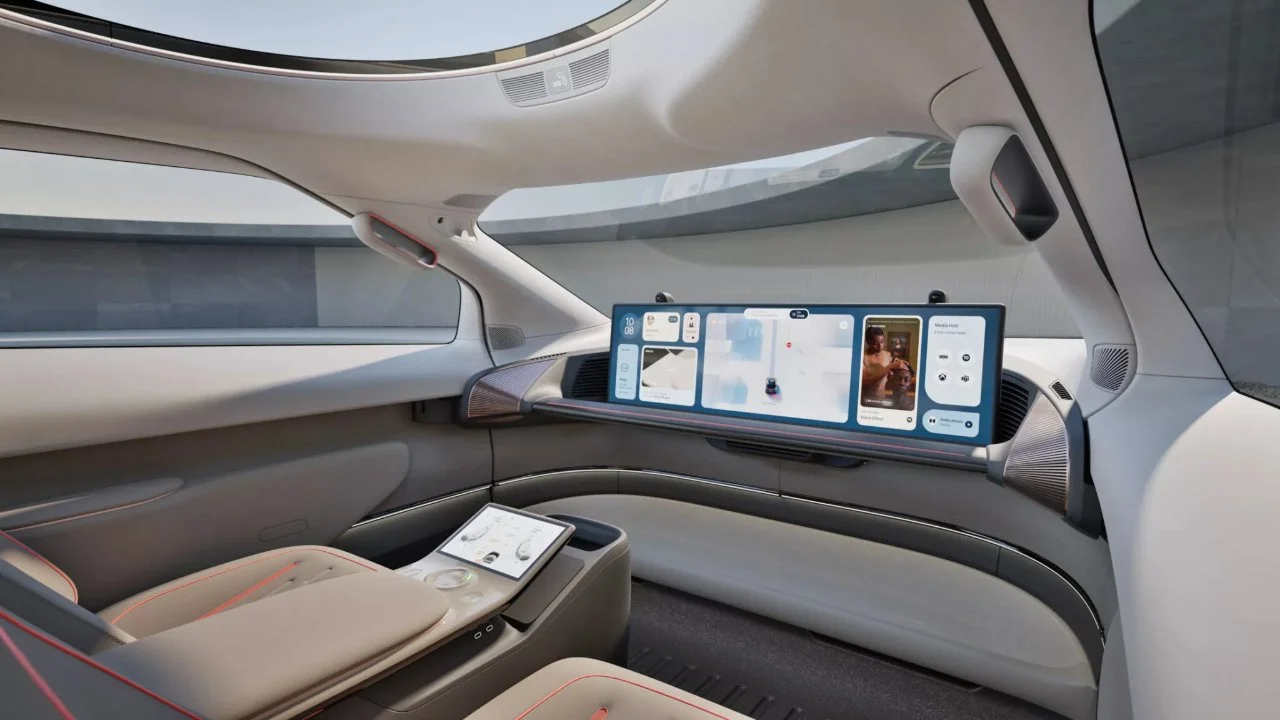
Image Credit: Verne.
Keeping all of this rolling smoothly is the autonomous technology from Mobileye, with an absolute arsenal of cameras, radars, and LiDAR. This is where Mate's project takes a slight left turn from other companies that just strap a tower of electronics onto a Jaguar. The Verne system is nicely integrated into the bodywork, so the little runabout doesn't look like it escaped from the set of a bad, low-budget sci-fi movie. The big claim here is that the system can accommodate local driving styles. I've driven in European cities, and if this thing can navigate traffic where lane markings are considered decorative and speed limits are seen as a personal challenge, then it is truly the most advanced piece of technology in existence.
The most important promise, the one that makes the whole thing a genuinely positive venture, is the cost. Mate Rimac wants this service to be much cheaper than existing ride-hailing services. When you combine that accessibility with the spacious design, this becomes a genuine mobility solution, particularly for those who have been excluded from driving, whether due to age, disability, or simply never having learned.
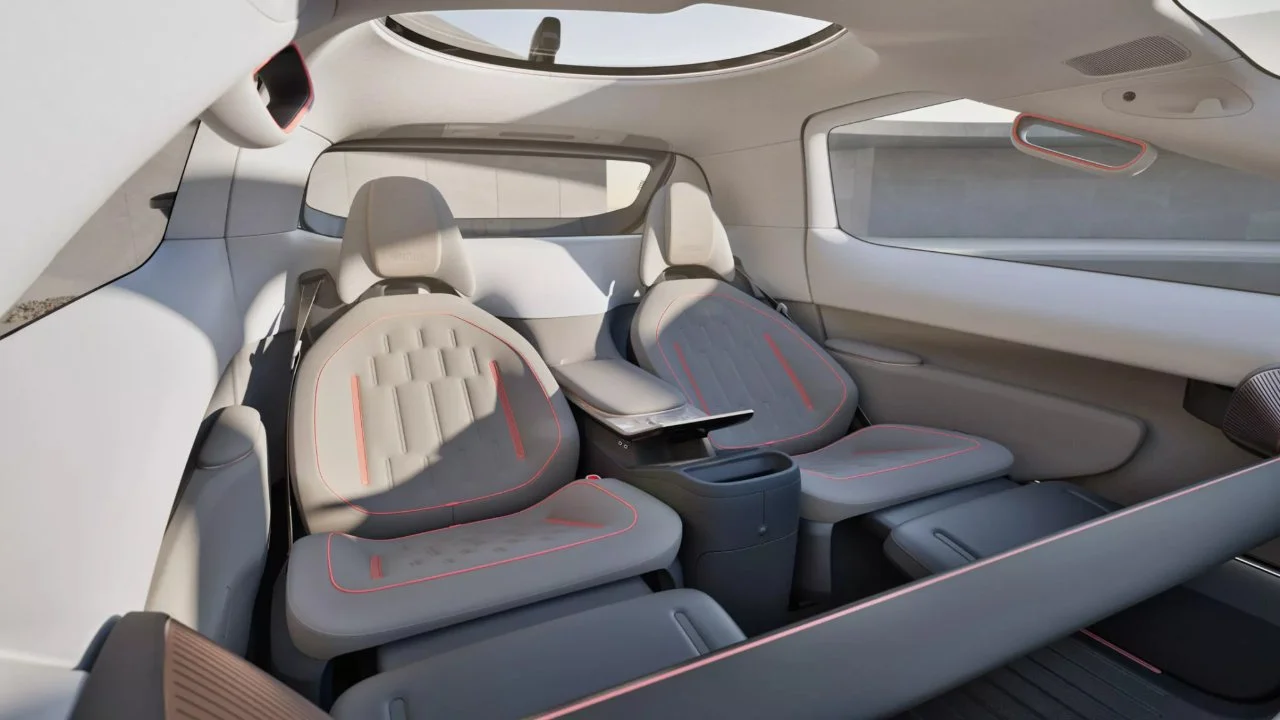
Image Credit: Verne.
It's all part of a grand $578 million project that will be initially deployed from a specialized piece of infrastructure called the "Mothership," which is where these vehicles will go to be inspected, cleaned, charged, and maintained. A Mothership! Honestly, if I'm getting out of a robotaxi that just came from a Mothership, I expect a better story than just having been at the dentist.
From building the fastest electric car in the world to creating a plush, two-seat nap pod for the masses, with a pitstop at Bugatti, Mate Rimac has been on quite a journey. He's ditched the tire smoke and the G-forces for the gentle hum of a city runabout, and I find myself smiling. It's a wonderful, logical, and deeply sensible idea - which is exactly why it might just work. I wonder if they can put a little "Nevera" button on the app, just in case I need to get to the Mothership in a real hurry…
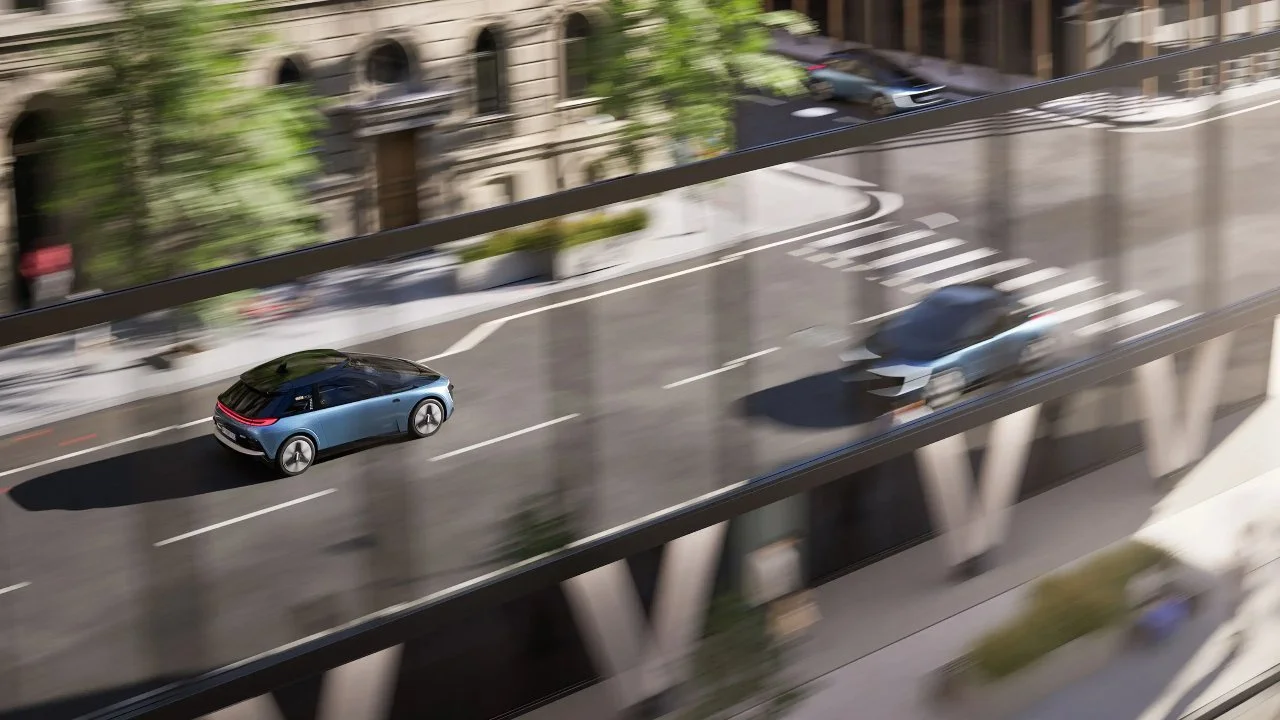
Image Credit: Verne.
Enjoyed the article? Give us a 'LIKE' and FOLLOW us on MSN! We're tracking the electric future... even if it's still buffering.
