
Image Credit: Electrogenic.
Well, here we are again... Another week, another piece of automotive history being gently strangled by a massive battery pack and a smug motor. All in the name of electric progress. This time the victim is the venerable Land Rover Defender, but the crime scene isn't some hipster garage in Malibu. Instead, it is the glorious, mud-soaked wilderness of Kenya. And, astonishingly, this EV conversion seems to be less of a betrayal and more of a stroke of genuine genius.
See, a tiny little company called Electrogenic, based in the quaint, rain-soaked heart of Oxford, decided to tackle a problem bigger than the average pothole: the rainy season in a remote 850,000-acre conservancy called Namunyak. Years of rain turned the roads into a brown, soupy mess that would stop the diesel delivery trucks cold.

Image Credit: Electrogenic.
No diesel means no generators, and a safari lodge - Sarara - had to scale back its operations. Even worse, the Reteti elephant orphanage, which I'm reliably informed is full of adorable, floppy-eared giants, was put at risk. Who knew the mighty Defender's biggest flaw was its dependency on a tanker truck full of smelly, explosive goo?
Enter the electric savior. Electrogenic created a whole 'drop-in' kit, then they shipped two different flavors of this electric cocktail to the dusty, or very muddy, heart of Africa. It's a remarkable feat of logistics, proving that EVs are not just for silently idling outside organic coffee shops. This is where the rubber - or the very chunky, off-road tire - meets the road, quite literally.
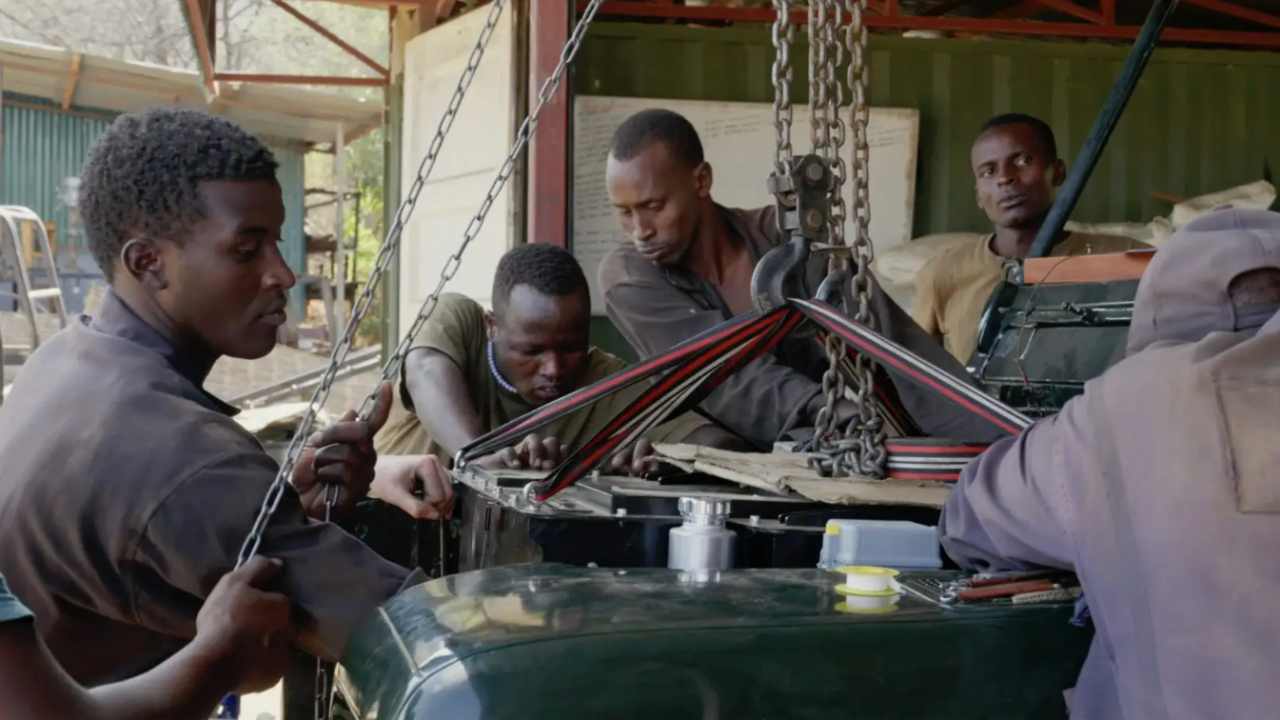
Image Credit: Electrogenic.
The first version, the E62 Kit, sounds like the sensible one you'd take home to meet your mother. It packs a 62 kWh battery, which is hidden rather cunningly under the Defender's hood, right where that noisy old lump of an engine used to sit. This battery feeds a 120 kW, water-cooled motor, which provides a respectable amount of grunt. Electrogenic claims it'll do 120 miles of 'mixed on-road' travel, but more importantly for the elephants, it's good for over 160 miles of genuine off-road, bumpy-bit range. That's a whole lot of silent tracking.
Then you have the very serious version, the E93 Kit. This one is for the fellow who simply must have more. You get a 93 kWh battery, split between the engine bay and under the rear cargo area. This is mated to a more powerful 150 kW motor. The result? A claimed 150 miles on the road and a hefty 200-plus miles in the rough stuff. That extra juice means more time spent watching the sunrise over the giraffes, which are apparently a rare, 'reticulated' variety - I imagine they're just the regular ones wearing a net vest.
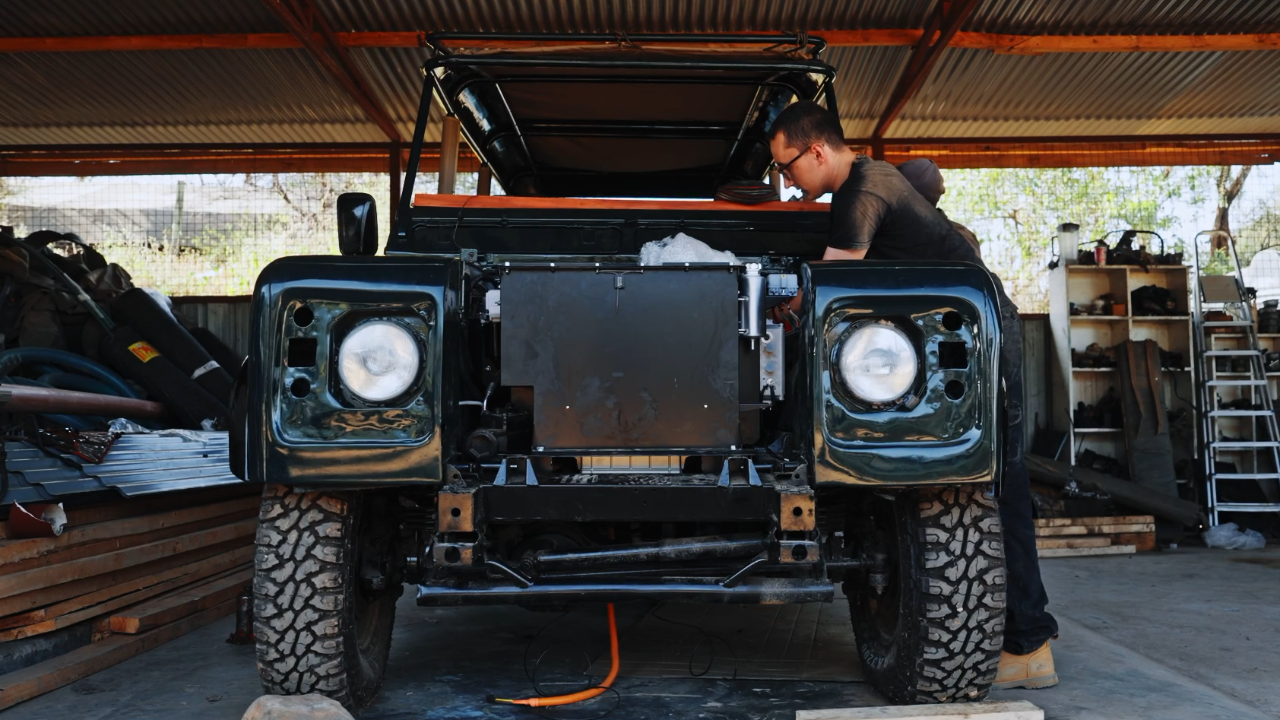
Image Credit: Electrogenic.
The price of the complete conversion for this African safari fleet isn't laid out next to a sticker that says 'Bargain!' Electrogenic's standard kits for a Defender often start around $29,500 for the lower-spec versions. I'm going to assume that this complex international deployment, with training and a whole lot of air freight, didn't come cheap, but if it keeps an entire conservancy operational and the elephant sanctuary funded, that's a small price to pay. It's certainly safer than shipping 500-gallon tanks of diesel across a river that's trying its best to swallow your truck whole.
What's truly clever, though, is the utility of these rolling, battery-powered marvels. Electrogenic has also installed Vehicle-to-Load (V2L) capability, and the Land Rovers can now act as massive battery banks with wheels, supplying 240V AC power to remote lodges. The trusty Landies replaced the old diesel generators, which I can only assume sounded like a thousand angry hornets being murdered by a lawnmower. The silence of the EV is a massive win for the wildlife and the guests trying to enjoy their high-priced G&Ts.
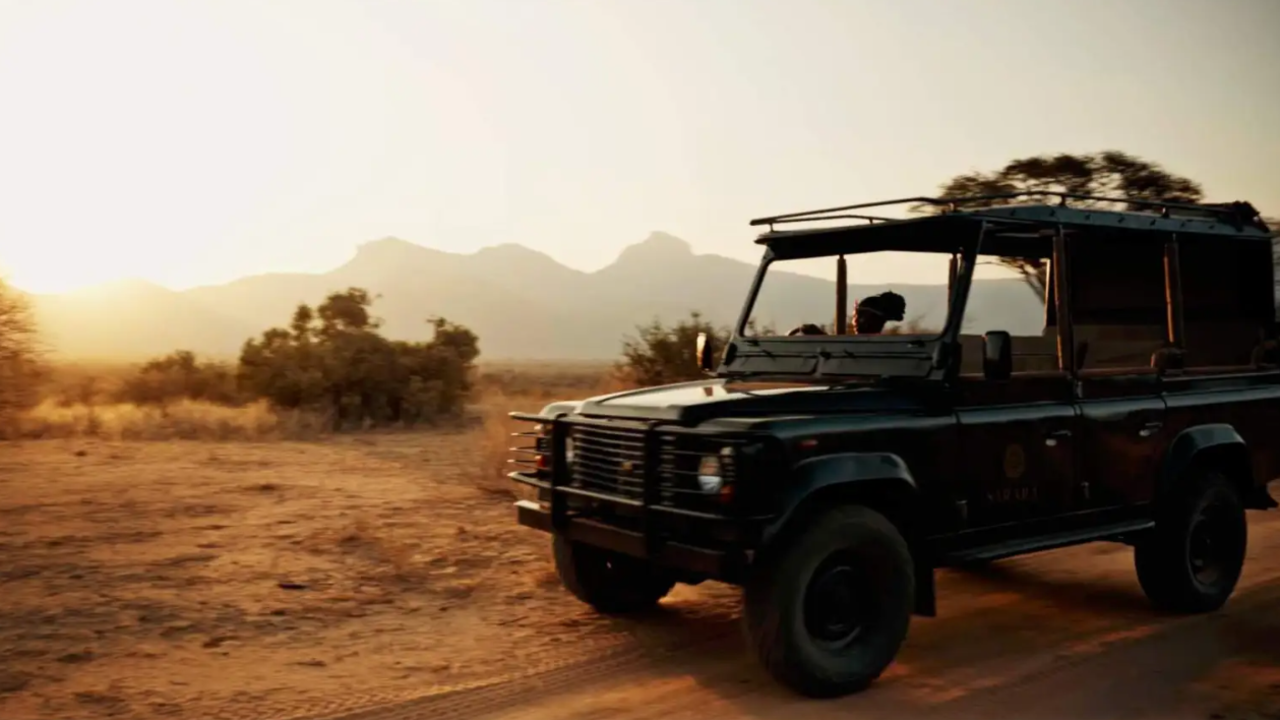
Image Credit: Electrogenic.
And for the purists who clutch their dusty Haynes manuals? The best news is that the proper 4x4 bits are all still there! The conversion keeps the original transfer box, which means you still get full-time four-wheel drive, high and low range, and the central diff-lock. All that electric torque - which is delivered instantly through a single-speed gearbox - means this thing is now a mud-slinging monster with perfect, subtle control.
Regenerative braking, one-pedal driving, configurable hill descent control - it's like Electrogenic designed it for exactly this terrain. I hear you can charge the 62 kWh battery in about 50 minutes with a rapid CCS charger… That's as long as you can find a charging station in the middle of a remote Kenyan savannah. Don't worry, though, the actual charging is done via on-site solar panels, of course, which is the most glorious kind of virtuous circle I've ever seen.
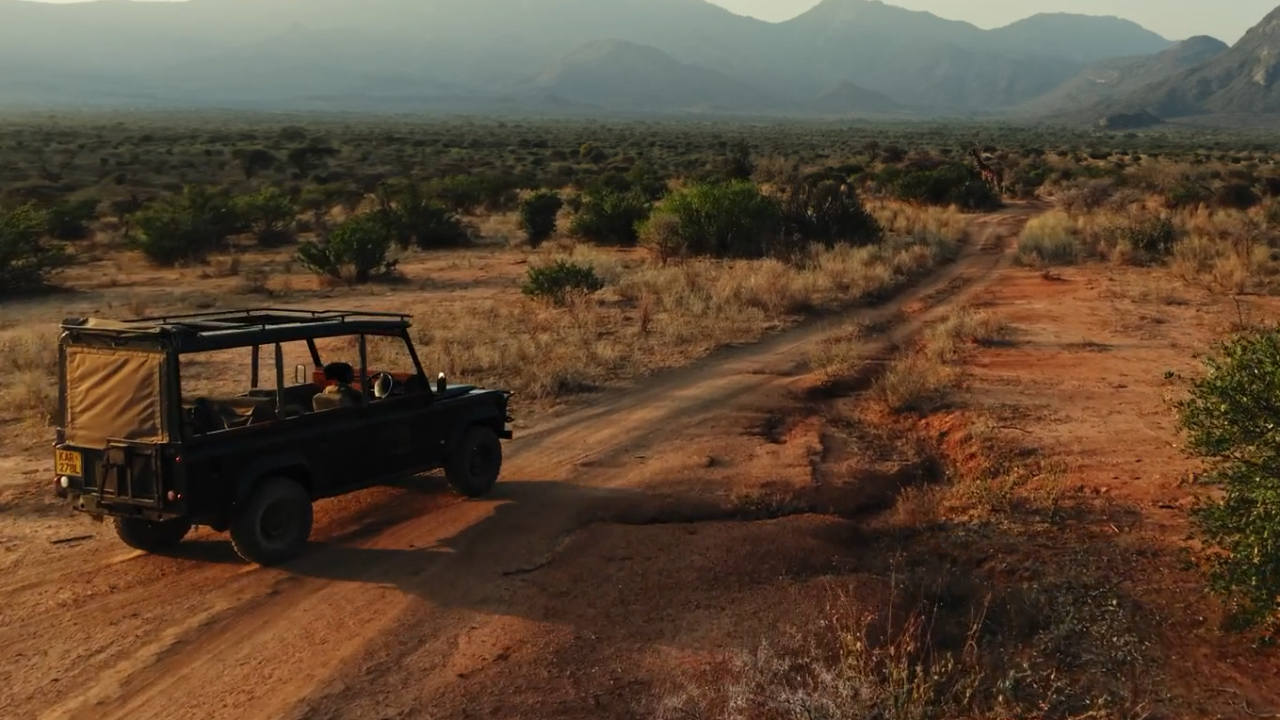
Image Credit: Electrogenic.
The whole project was completed in two short weeks by local mechanics, under the supervision of the chaps from Oxford, proving that this 'drop-in' tech is surprisingly uncomplicated. No cutting, no drilling, and the whole thing is entirely reversible. So, if the owner decides he misses the smell of burning fossils and the sound of his gearbox rattling loose, he can go back to the Dark Ages.
It all makes me wonder if this is the proper calling for electric cars. Not in traffic jams, but in places where reliability, silence, and freedom from a complex supply chain are actual life-or-death issues. These Land Rovers support the environment, rather than just driving past it. They are the unlikely, silent giants of the African plains - and that is a story worth telling.
Enjoyed the article? Give us a 'LIKE' and FOLLOW us on MSN! We're tracking the electric future... even if it's still buffering.
