
Image Credit: Aspark.
I've been fortunate enough to have my backside firmly wedged into the driver's seat of just about everything that moves - and some things that decidedly don't, mostly thanks to my questionable driving skills. But lately, the lunacy coming out of the electric hypercar segment has me convinced that automotive engineers have all just started playing a global game of "Hold My Beer and Watch This."
The Japanese, with their overachieving hearts, have now delivered their entry into this high-speed asylum: the Aspark Owl Roadster. And it is, as the kids say, completely bonkers. We've had a few of these silent, asphalt-shredding electric titans pop up from the likes of Italy and Croatia. They are all about physics-defying speed, and just when you thought the power wars had peaked with nearly 2,000 horses under a solid roof, Aspark decided to simply chop the thing off.
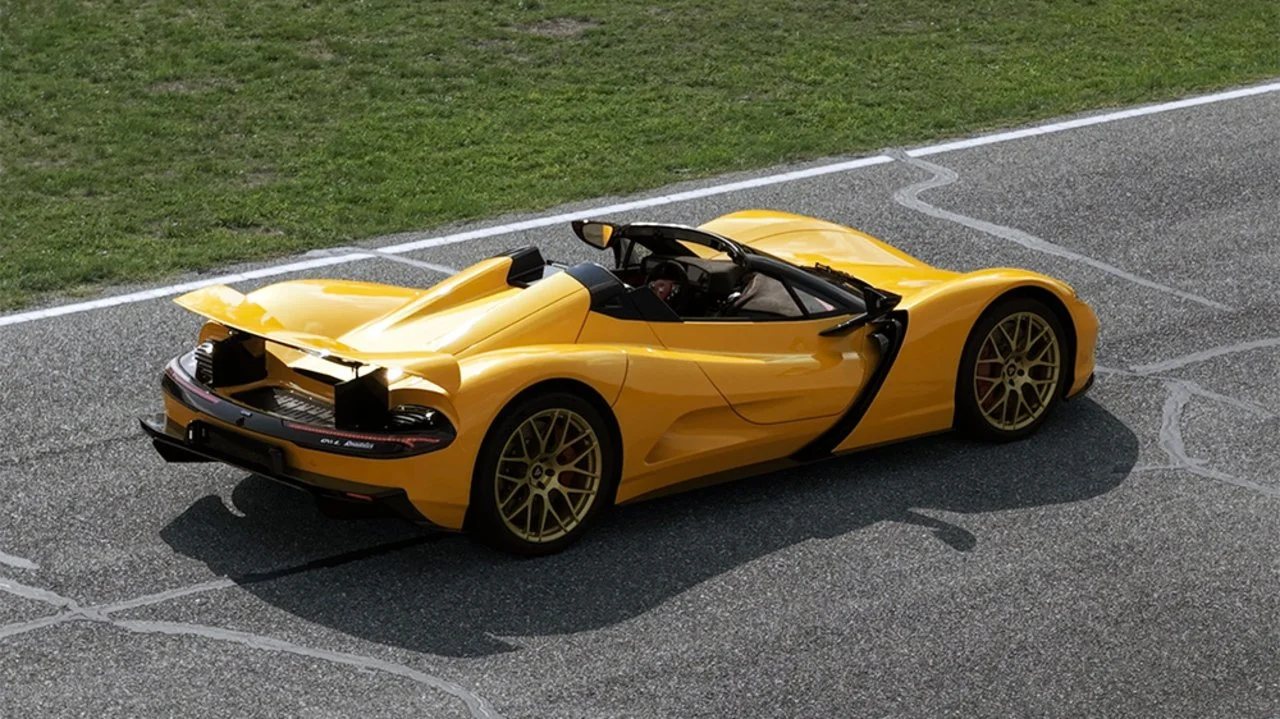
Image Credit: Aspark.
Let's get straight to the figures because they read like a typo on a financial report. The Owl Roadster is powered by four independent electric motors, one for each corner, a setup that manages to summon a truly biblical 1,953 horsepower and 1,416 pound-feet of instantly available torque. That's enough twist to pull a rather large ship, or at least yank your fillings out. The best part? The acceleration. Casual stroll to 60 miles per hour? Nope. This thing does it in a neck-straining 1.72 seconds. One point seven two. My lawnmower takes longer to realize it's been started.
Aspark's engineers, clearly not satisfied with out-sprinting everything, also claim a theoretical top speed of 257 miles per hour. For legal purposes, which I suppose they have to pretend to care about, the Owl is electronically limited to a more 'sensible' 217 mph. That's still fast enough to see your entire life flash before your eyes in the time it takes to sneeze.
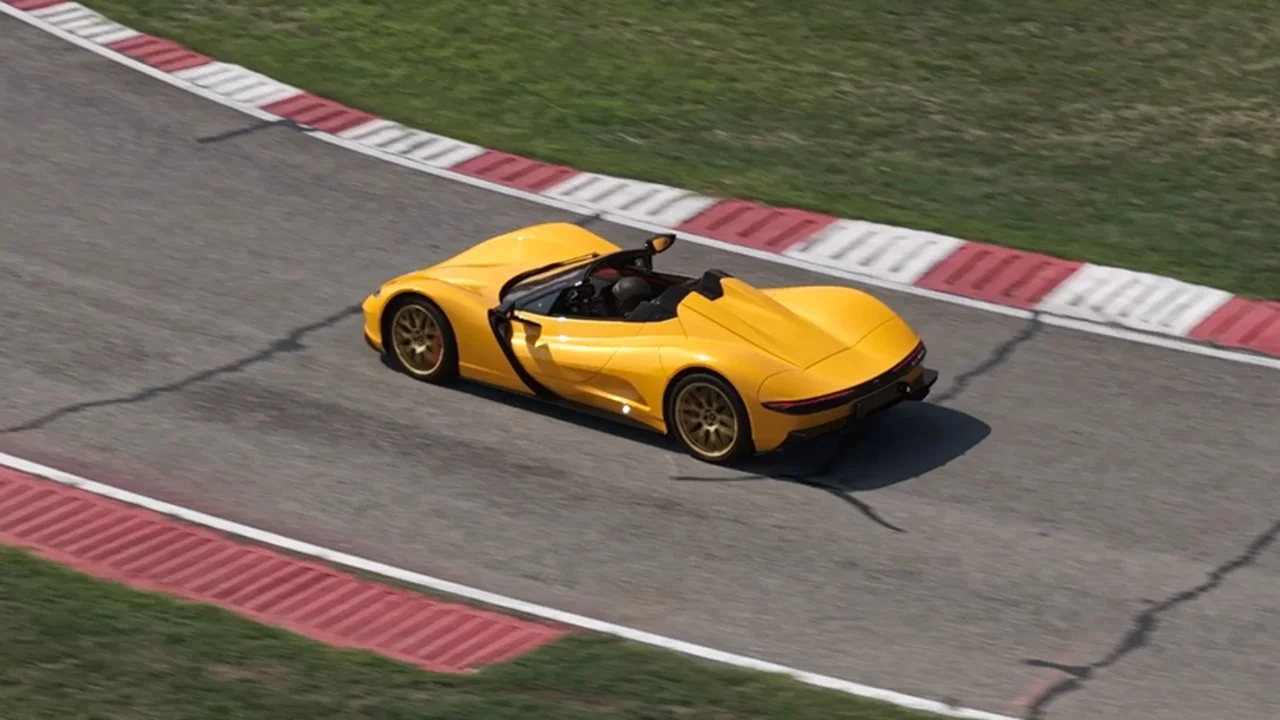
Image Credit: Aspark.
Keeping this carbon-fiber beast tethered to the ground is a double-wishbone suspension system that lets you tweak the ride height between a ludicrously low 3.15 inches and a slightly less ludicrous 6.3 inches. You know, for when you need to clear a pebble.
The Owl Roadster is not what one would call a 'lightweight' - though in the context of almost 2,000 horsepower, I suppose it's positively dainty. It carries a substantial 69.0 kWh battery pack, and the whole shebang weighs in at about 4,519 pounds. That's a lot of mass to stop, which is why it comes equipped with carbon-ceramic brakes sporting massive ten-piston calipers up front. A necessary precaution, really, unless you enjoy the idea of meeting a tree with the force of a small asteroid.
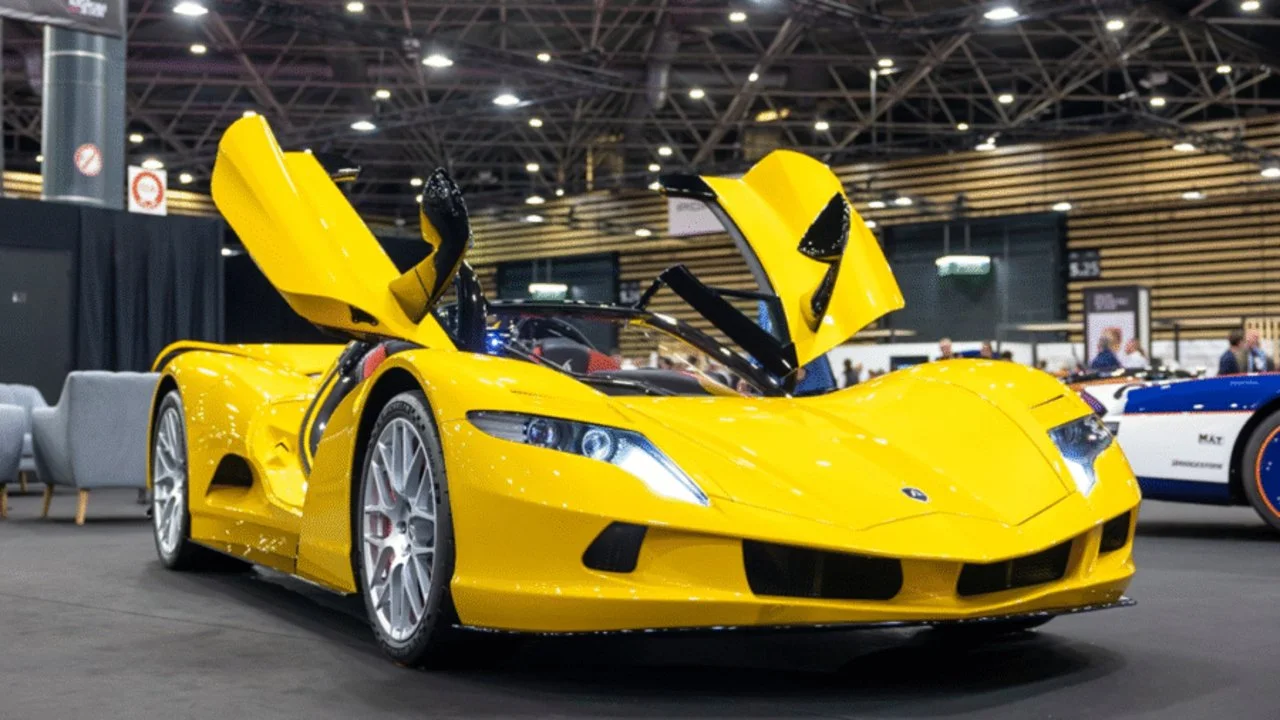
Image Credit: Aspark.
And now, for the part where you check your bank account balance, let out a small, pathetic whimper, and then check it again. The price, while "officially confidential," is widely estimated to be well north of $3.5 million. You could buy a small fleet of very nice cars, a decent private jet, or a small European country for that money. The audacity of the price tag is only topped by Aspark's production plan: a grand total of 20 units. They are practically ensuring that most of us will only ever see one in a fever dream or a very grainy YouTube video.
You might wonder, with all that focus on cutting-edge speed and aerodynamics, why would a company deliberately remove the roof? The folks at Aspark trot out the classic line about the driver becoming "one with the road." What this actually means is you get the full sensory experience of the car's acceleration. The wind is trying to reshape your face, the active aerodynamics with the adjustable rear wing are keeping you from achieving low-earth orbit, and you get to truly feel the near-silent, gut-punching force of the four electric motors. They want you to experience the vibrations, the airflow, the noise - which is just the sound of your own screaming.

Image Credit: Aspark.
This is a car for the select few, the truly affluent people who buy a car that's quicker to 60 mph than a Bugatti and then immediately call their dermatologist for a G-force-induced wrinkle consult. The entire chassis is a carbon monocoque structure, providing incredible rigidity, which is important when you're traveling from zero to 186 mph in 9.74 seconds. You don't want to feel any unnecessary wobbles as you blur the scenery around you.
In the end, the Aspark Owl Roadster proves that when you remove the pesky limitations of an internal combustion engine, the only limits left are those of sanity and your wallet. It's a shiny, over-engineered piece of jewelry that goes like the clappers and has one major thing in common with a real owl: it makes you stop and stare.
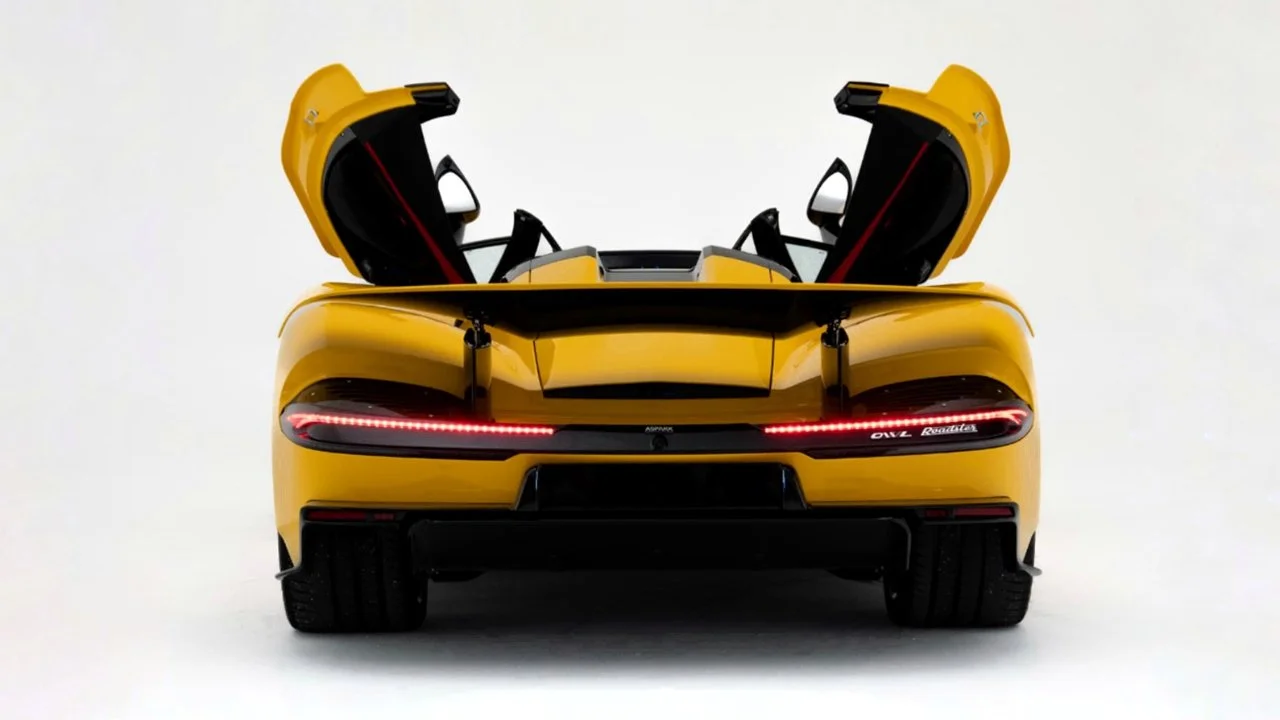
Image Credit: Aspark.
Enjoyed the article? Give us a 'LIKE' and FOLLOW us on MSN! We're tracking the electric future... even if it's still buffering.
