
Image Credit: Captain Electro.
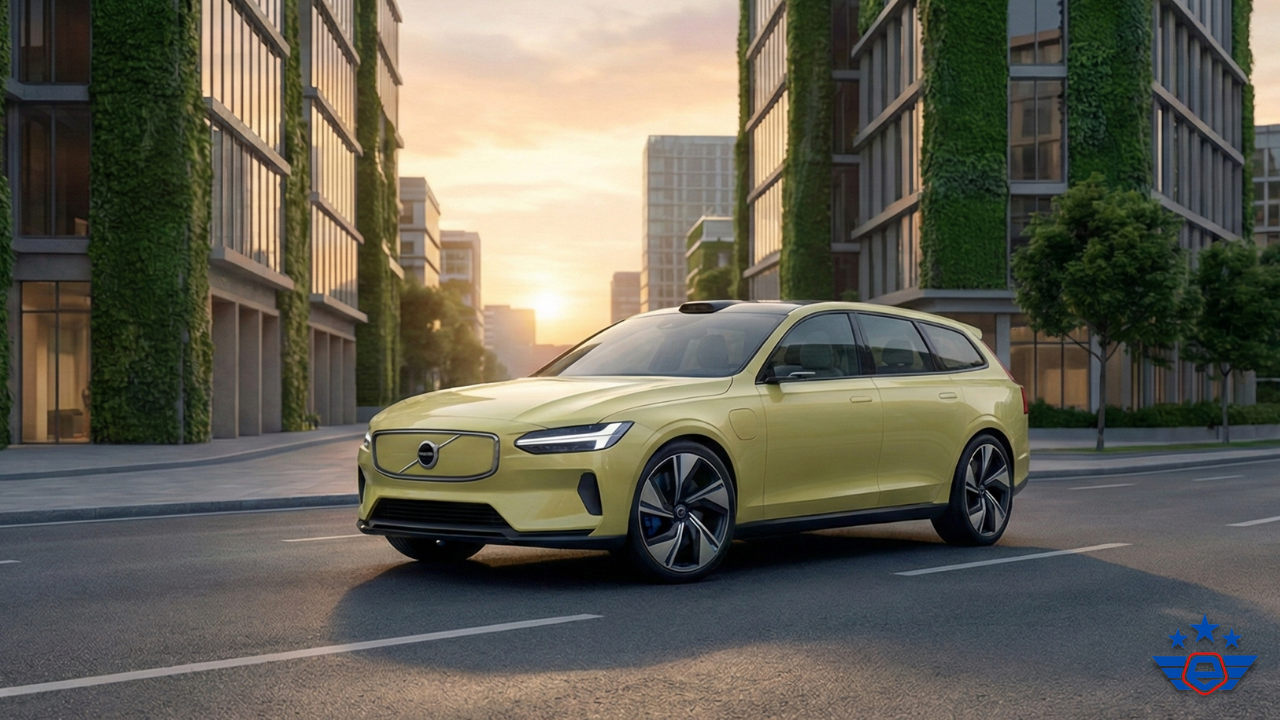
Ask anyone who knows me, and they'll tell you I've always had a massive soft spot for Volvo wagons. I owned an XC70 for years, and if it had a pulse and better hair, I probably would've proposed to it. It wasn't the fastest thing in the world but it was honest. Then, Volvo went all electric, and suddenly, the beautiful "longroof" vanished. In its place, we got a parade of high-riding electric beans. But there's a glimmer of hope on the horizon.
Volvo's new electric flagship ES90 is a bit of a weird bird. It's supposed to be a sedan, but it looks like it's wearing platform shoes. That's because it's built on the SPA2 architecture, which is essentially a combustion car platform with a battery pack shoved into the floor like a hidden stash of illicit stuff. This means the floor is so high that rear passengers end up with their knees tucked under their chins, looking like they're bracing for a very slow impact.
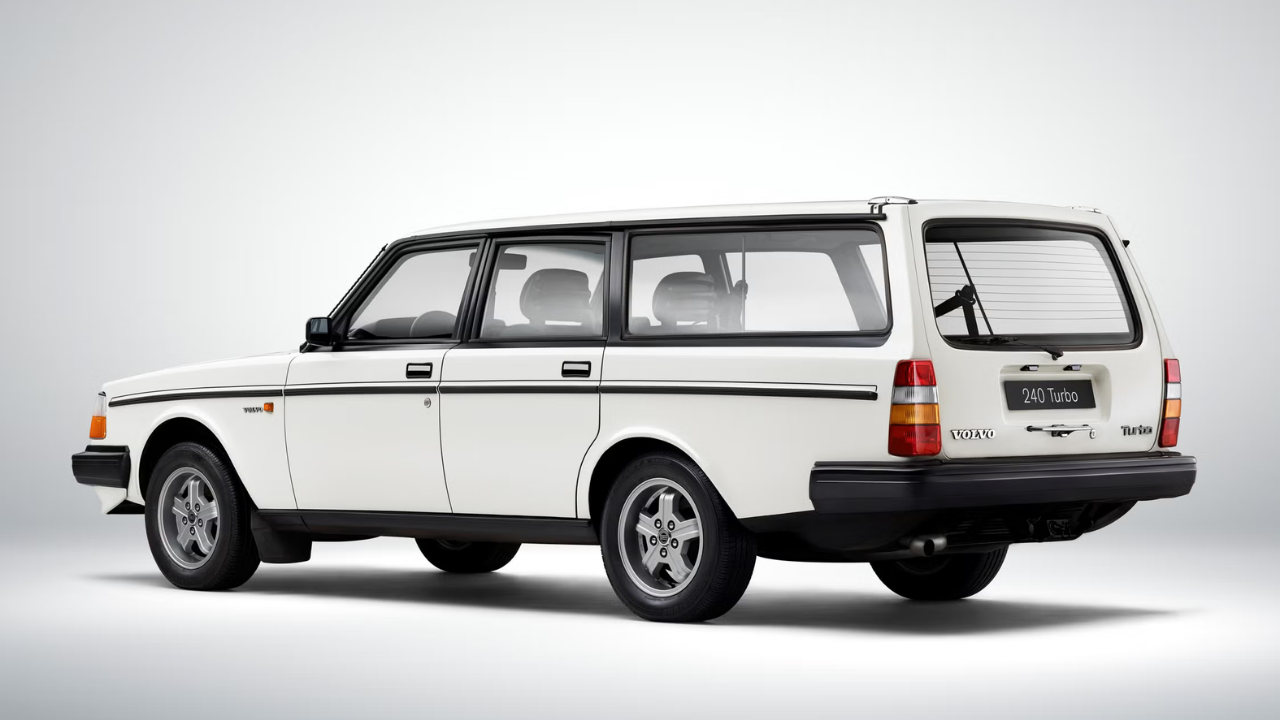
Image Credit: Volvo.
Volvo's tech wizard, Anders Bell, spilled the beans on why their EVs often look like "baby SUVs." When you build an EV on an old gas-car chassis, you have to sit on top of the battery. It adds about 8 inches of unwanted height. Try wearing a top hat inside a Mini Cooper and you'll get the idea. It's technically possible, but you look like a complete idiot, and your neck will never forgive you.
Enter the new SPA3 platform, debuting with the upcoming EX60 SUV. This is a ground-up rethink that finally ditches the "battery sandwich" penalty. Volvo has figured out how to move battery cells around, even shoving some ahead of the front dashboard area. They've also flipped the battery terminals to face downward. This creates what they call "foot garages," allowing the seats to be slammed down where they belong. I believe we have to credit Lucid Motors for that idea.
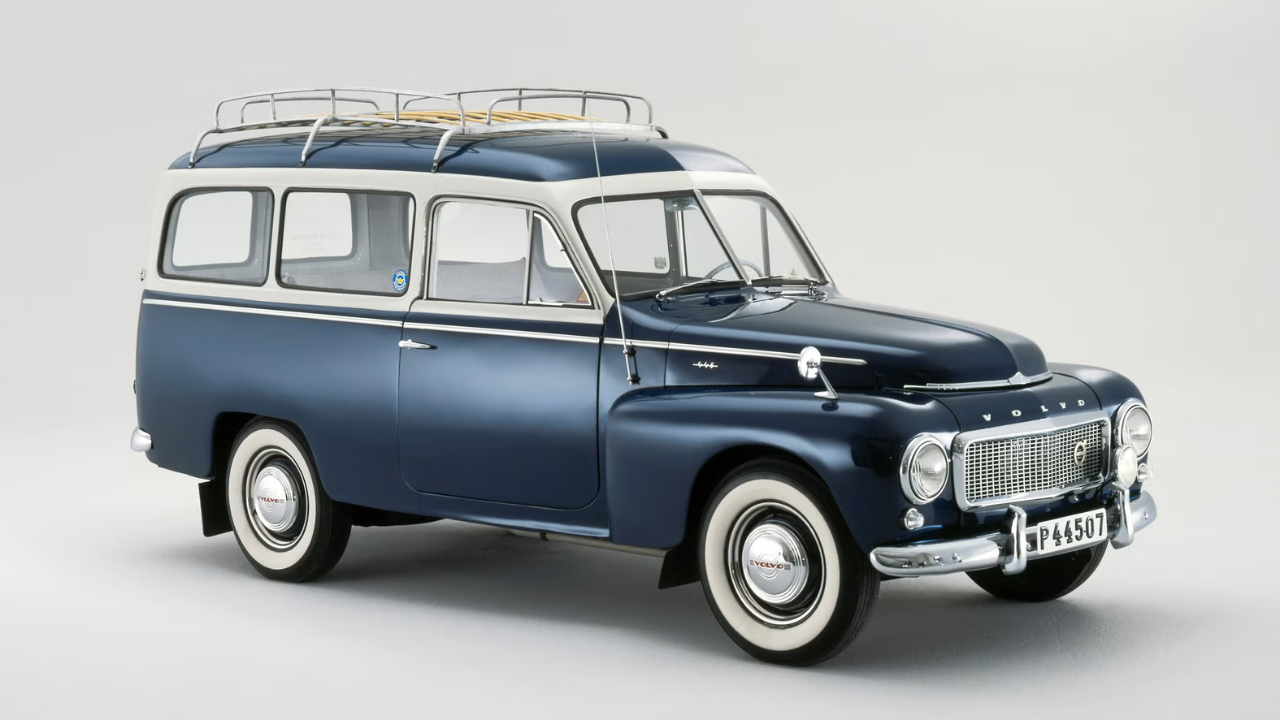
Image Credit: Volvo.
The EX60 is the first Volvo to use this magic. It's a mid-sized SUV that's about 189 inches long and 64 inches tall. It's still a tall crossover, but the guts of it are revolutionary. The top-end P12 AWD version is a proper monster, packing a 117-kWh battery and 680 hp. It'll do 0 to 62 mph in 3.9 seconds - that's enough poke to reorganize your kids' homework when you pick them up from school. It also claims a range of up to 503 miles on a single charge - in the good old Blighty, that's the distance from Edinburgh to London with enough juice left to find a decent pub.
And because of this SPA3 sorcery, Volvo can finally make cars that are "proper low." Bell didn't officially confirm a new V90 EV is in the works, but he winked hard enough to cause a breeze. He said the platform allows for "super-sleek" cars where the roofline isn't dictated by the batteries. We might finally get a wagon that doesn't look like it's trying to climb a mountain it has no business being near.
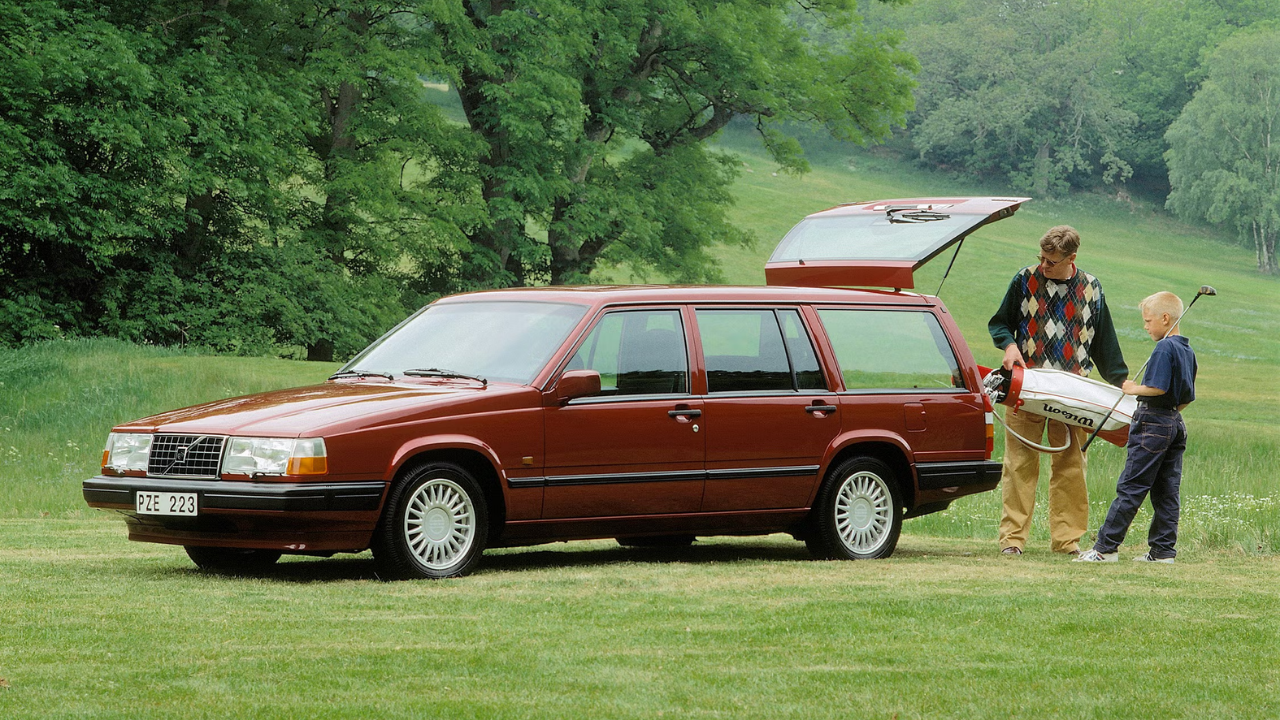
Image Credit: Volvo.
I'm not oblivious to the fact that the world is obsessed with crossovers, and neither is Volvo. The company is following the money with the EX60 first. It's expected to start around $71,000, stretching up to $81,000 for the high-performance versions. Whichever way you look at it, it's a fair chunk of change, but for a car that can charge from 10% to 80% in about 18 minutes using a 400-kW charger, you're paying for the privilege of not waiting in the rain at a charging station for an hour.
If Volvo actually uses this tech to build a low-slung, boxy, electric estate, I'll be the first in line with my checkbook and a celebratory dram. We've endured enough "coupe-overs" and "fast-back-utes." Give us the wagon, Volvo. Make it sleek, make it fast, and for the love of all that is holy, make it low enough that I don't need a stepladder to wash the roof. The "longroof" isn't dead at all - it's been waiting for a better floorplan.
Enjoyed the article? Give us a 'LIKE' and FOLLOW us on MSN! We're tracking the electric future... even if it's still buffering.
