
Image Credit: Rivian.
I’ve spent a fair bit of my life shouting at things with four wheels, but I rarely find myself waxing lyrical about a delivery van. Usually, they’re just white boxes driven by men in a hurry to deliver a parcel you didn’t actually order. But look at the Rivian Commercial Van (RCV). It’s got those big, round, innocent eyes - like a puppy that’s just realized it can carry 500 cubic feet of cargo. And the California tech-wizards are finally giving this lovable bread-bin some proper "go-anywhere" credentials.
For nearly four years, the RCV (or EDV, if you’re still speaking "Amazon") has been trundling along with the same setup. It was a bit like a sturdy Scottish pony: reliable, front-wheel drive, and perfectly happy doing short laps around the glen. But Rivian has decided that isn't enough. According to their latest shareholder gossip, they’re bolting on a second motor for all-wheel drive and stuffing in a bigger battery. Finally, a delivery van that won't get stuck in a light dusting of icing sugar or a muddy driveway.
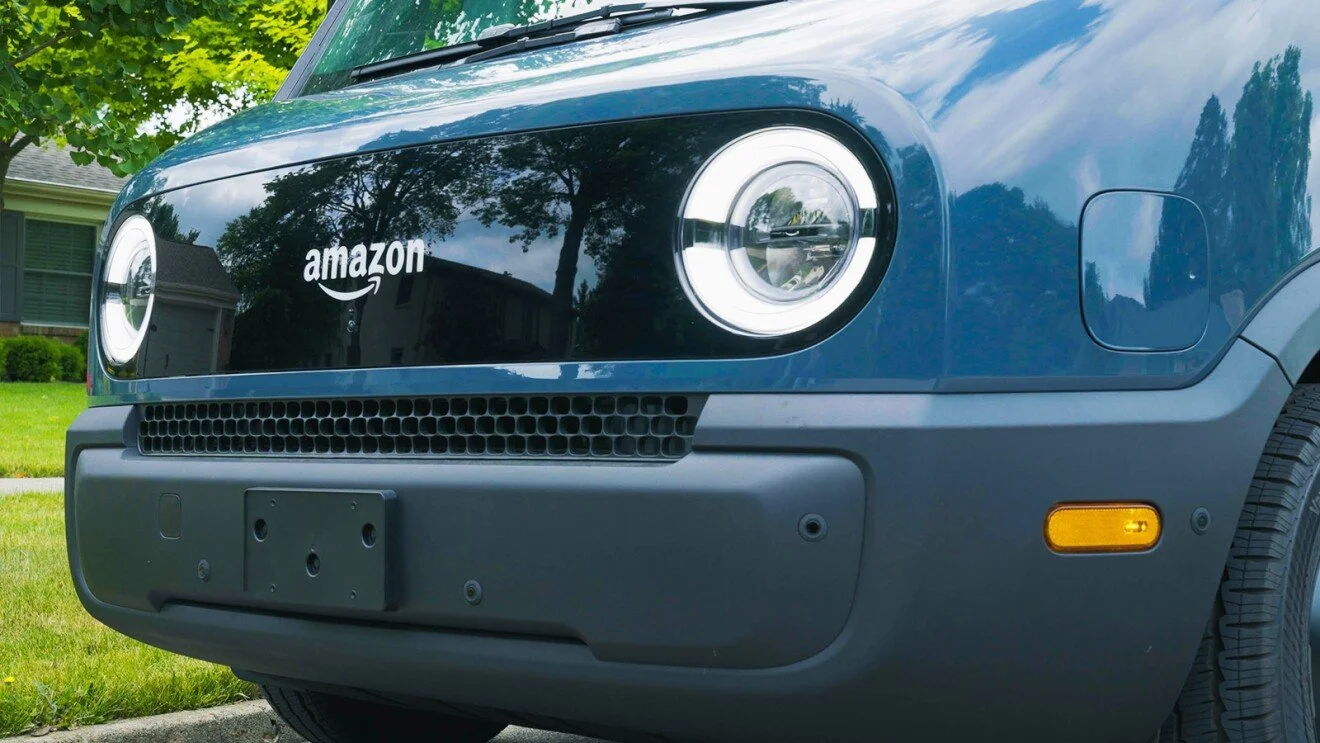
Image Credit: Amazon.
If you’re the sort of person who reads the back of a cereal box, you’ll want the numbers. The existing RCV 500 and its bigger brother, the RCV 700, use a 100-kWh battery. That’s enough for about 161 miles of range. In the real world, that’s "fine" if you’re just doing short-run deliveries, but it’s a bit hairy if you’re delivering a fridge to a cabin in the woods.
The new "Max" pack (as I’ve decided to call it) promises a 30% boost in range. That should shove it comfortably over the 200-mile mark. But why on earth does a van need AWD? Have you ever seen a front-wheel-drive van try to leave a wet grassy field? Yeah - about as dignified as me on an ice rink. By adding a motor to the rear, Rivian is making this the only AWD electric commercial van in the States.
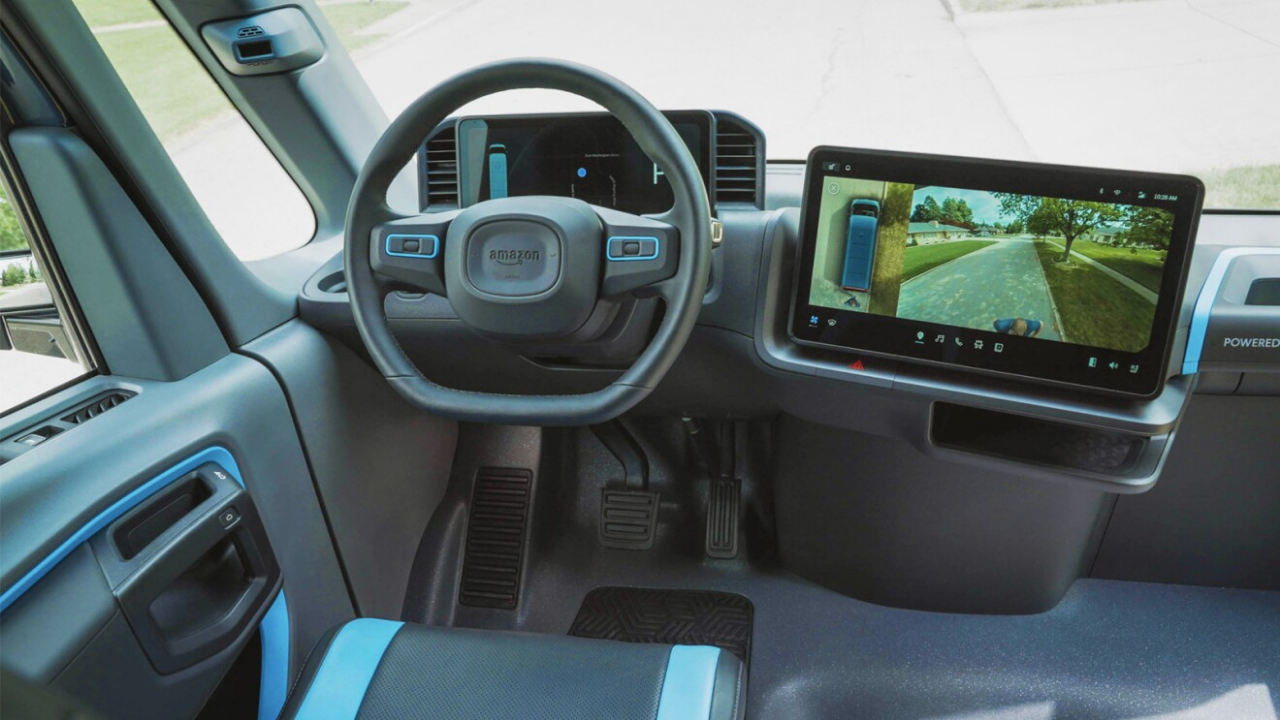
Image Credit: Amazon.
With 320 horsepower already under the hood, adding more traction means the driver can actually use that grunt without turning the front tires into expensive plumes of smoke. It’s a brilliant move, really. It means Amazon can now deliver your emergency supply of tea even if you live at the top of a mountain during a blizzard.
The timing for this update is quite cheeky. Chevrolet’s BrightDrop has been sent to the great scrapyard in the sky, and the Ford E-Transit is looking a bit long in the tooth, managing only about 159 miles on a good day. As for the Mercedes-Benz eSprinter, it’s a lovely bit of kit, but they only sold about 700 of them last year. Rivian, meanwhile, shifted over 13,400 units.
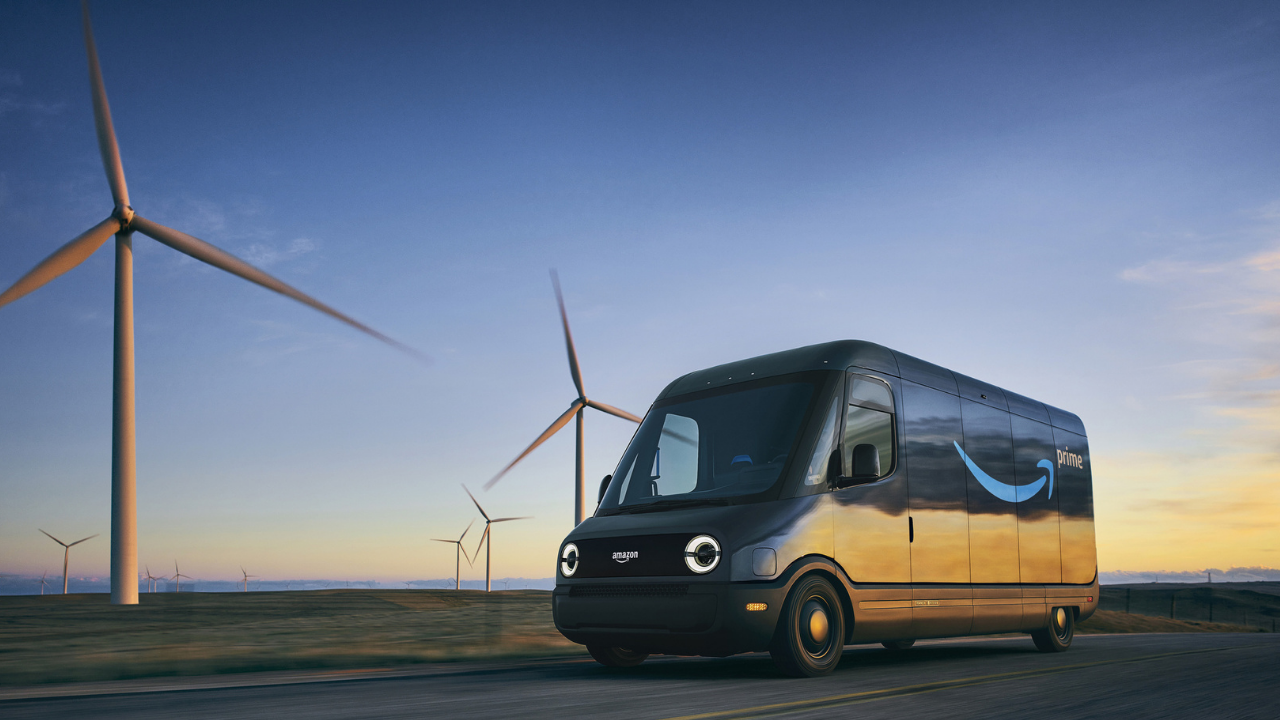
Image Credit: Amazon.
It turns out that if you build a van that looks like it belongs in a Pixar movie and actually works, people will buy it. Rivian has essentially won the "Van Wars" by default, and now they’re just showing off. Of course, all this extra range and grip won’t be free. The existing base model starts at $79,900. If you want the AWD version with the big battery, expect to pay a substantial "wee bit" more. Rivian hasn't released the final MSRP for the upgrades yet, but I’d bet my best bottle of single malt that it’ll push the price toward the $90,000 mark.
Is it worth it? If you're a business owner, yes. Electricity is cheaper than diesel, and having a van that doesn't die when it sees a hill is generally considered a "good thing" in the logistics world. I’ve always said that electric tech is at its best when it's being useful, not just sitting in a driveway. This Rivian van is the ultimate tool. It’s quiet, cavernous, and soon, it’ll be unstoppable in the snow. I just realized it starts to look like a perfect base vehicle for an off-grid van conversion.
Enjoyed the article? Give us a 'LIKE' and FOLLOW us on MSN! We're tracking the electric future... even if it's still buffering.
