
Image Credit: Renault Group.
I don't know about you, but I've been told the electric revolution is here. There's one major problem with this statement, though. That "revolution" costs on average $60,000, weighs three tons, and looks like a depressed suppository. We've been promised affordable, fun electric cars, and instead, we get giant, six-figure "lifestyle vehicles" that are about as efficient as a brick-laden cargo ship. Where is the fun? Where is the cheap?
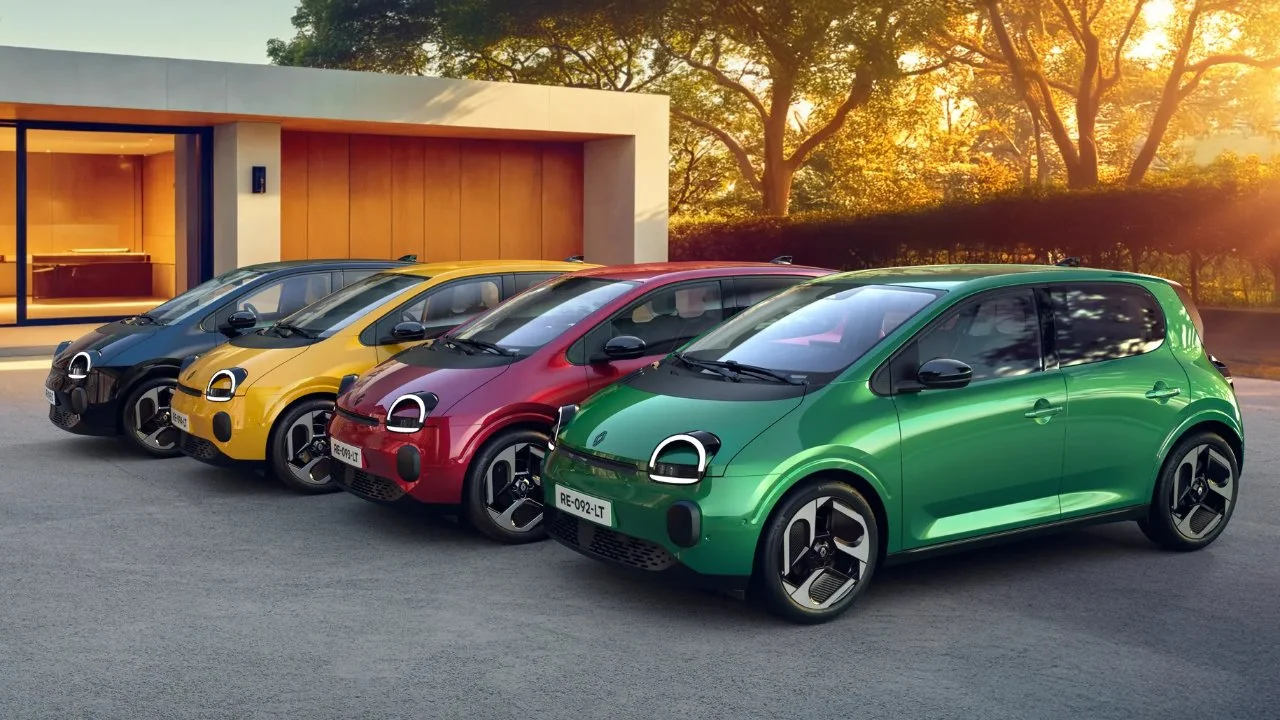
Brace yourselves, because the French have woken up, looked at the automotive landscape, and said, "Non." What you see here is the new Renault Twingo E-Tech. And if you squint, you might remember its ancestor from 1993, a car so relentlessly cheerful it looked like a startled frog. This new one? It still looks like a startled frog, but one that's been to a rave. And I think I absolutely love it.

Image Credit: Renault Group.
Renault's designers clearly had a picture of a Volkswagen ID.Up on the wall and a set of darts. While the Germans are busy making EVs that look like computer mice, Renault has built a cartoon character. It has big, round, bug-eyed daytime running lights, a cheeky grin, and actual personality. It's the automotive golden retriever puppy. You just want one.
But here's the bombshell. This isn't some $50,000 boutique fashion item. Renault is apparently targeting a price of "less than €20,000." Do the math, and that lands somewhere around $23,000. That's right. A brand-new, stylish, clever electric car for the price of a few options on a German sedan. This tiny car is a direct challenge to every other manufacturer that said it "couldn't be done."
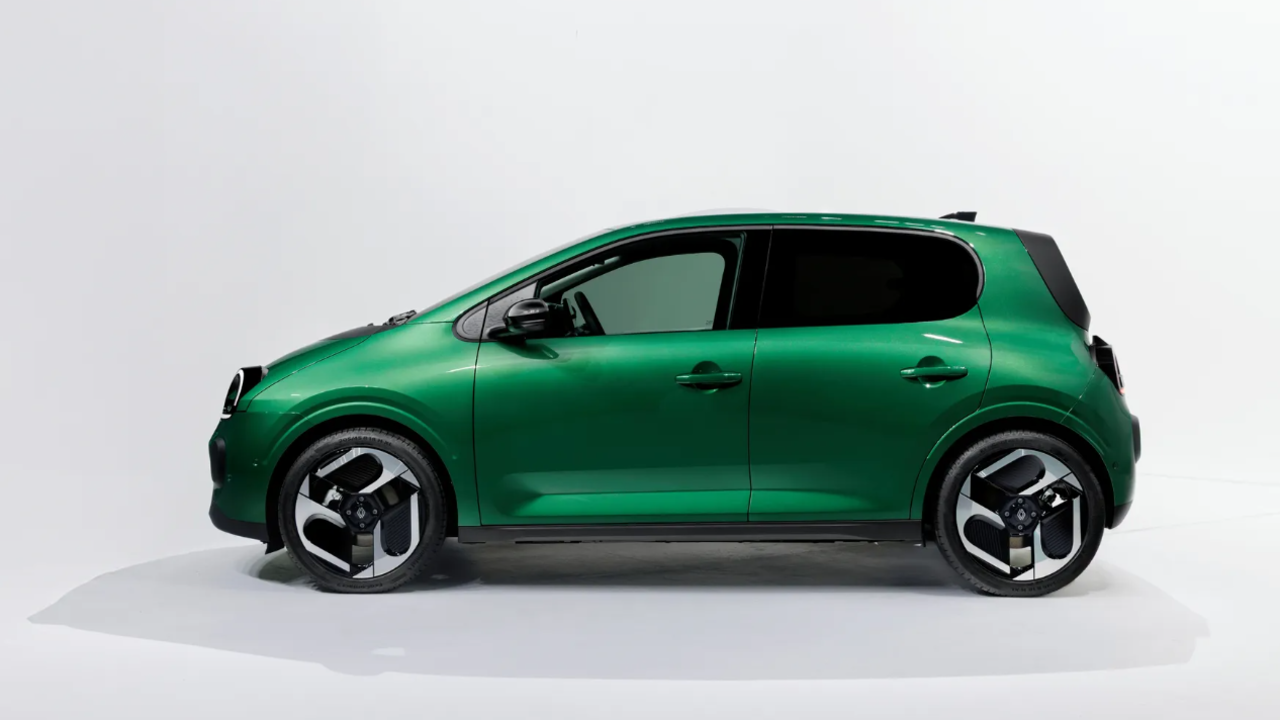
Image Credit: Renault Group.
But before you rush off to find your nearest (non-existent) U.S. Renault dealer, let's manage some expectations. To hit that bargain-bin price, some sacrifices have been made, starting with the power. It has a single, front-mounted motor delivering 81 horsepower. It also makes 129 pound-feet of torque, which isn't awful in a car that weighs only 2,650 pounds.
What does this mean for performance? 0-62 mph is dispatched in a leisurely 12.1 seconds. Top speed is a dizzying 81 mph. This is not a Plaid. In fact, it might be beaten off the line by a motivated glacier. But let's not forget that this car's natural habitat is the supermarket parking lot, not Silverstone. Its job is to nip through traffic, and for that, 81 electric horses are probably just fine.
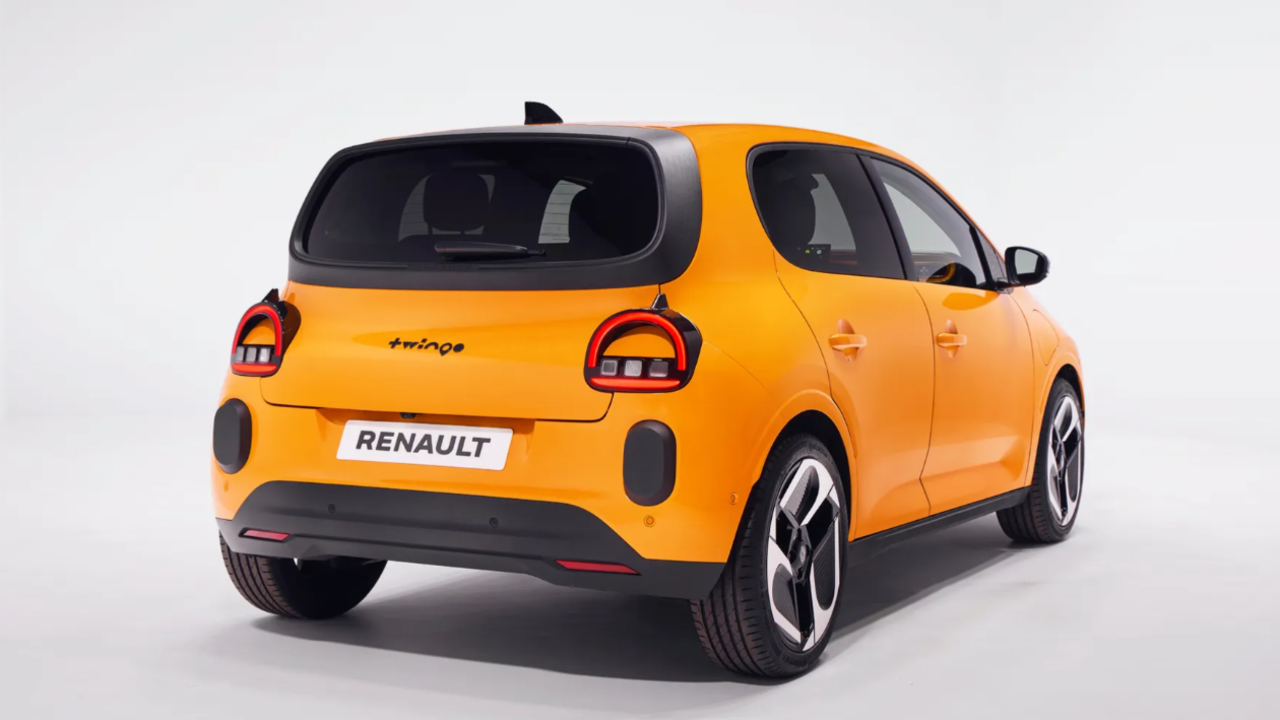
Image Credit: Renault Group.
Then there's the battery. It's a 27.5 kWh LFP pack. That is, to use the technical term, tiny. It's a battery, not a power station. Renault says this new chemistry uses less cobalt and nickel, which is lovely. It also gives a WLTP range of 163 miles. Now, "WLTP" is a very optimistic measuring system invented by people who've never seen a hill or a headwind. But even if it's 130 miles in the real world, for a city car, who cares?
Curiously, the DC charging is capped at a seemingly slothful 50 kW. You'd laugh at that in a Hummer EV. But because the Twingo's battery is the size of a lunchbox, a 10-80% fill-up takes about 30 minutes. That's a half-decent coffee break. You can't even finish a croissant properly in that time. This sounds like smart, sensible engineering, until you realize that this "10 to 80%" gives you about 90 miles of an actual range… You'd better be living in a small city, then.
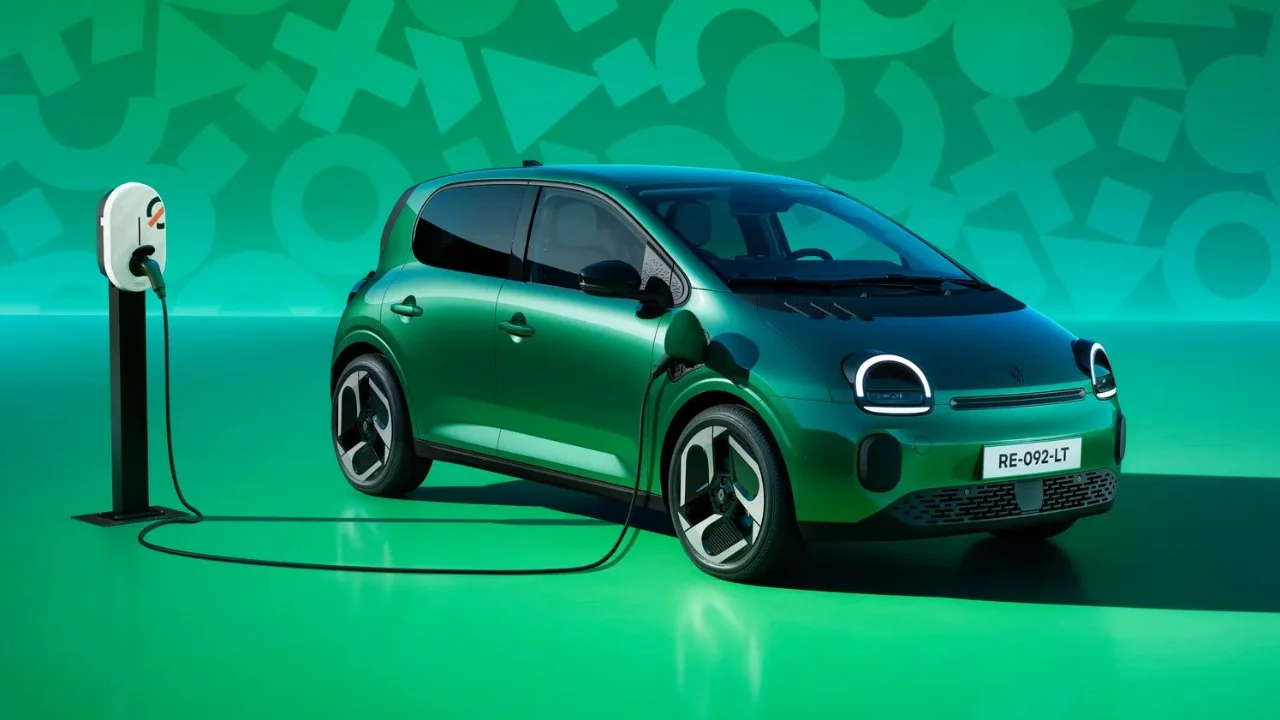
Image Credit: Renault Group.
But the drivetrain isn't the party trick. Oh no. The real magic is the packaging. This car is just 149 inches long, which is almost two feet shorter than a Toyota Corolla. It sits on a 98-inch wheelbase. It's a little box. Yet, Renault claims it has "proper adult space" inside.
Here's how. The two rear seats - which are proper, individual seats - can slide independently by up to 6.7 inches. Got tall friends? Slide 'em back. Need to haul a new washing machine? Slide 'em forward. When you do, the trunk space is 12.7 cubic feet. That... wait, that can't be right. That's more than its bigger brother, the Renault 5. It's basically the same as a VW Golf. Fold the seats down, and you get 35.3 cubic feet. There's even a 1.8 cubic-foot cubby under the floor. This car-thing is a real-life TARDIS. It's a miracle of spatial engineering that defies physics.
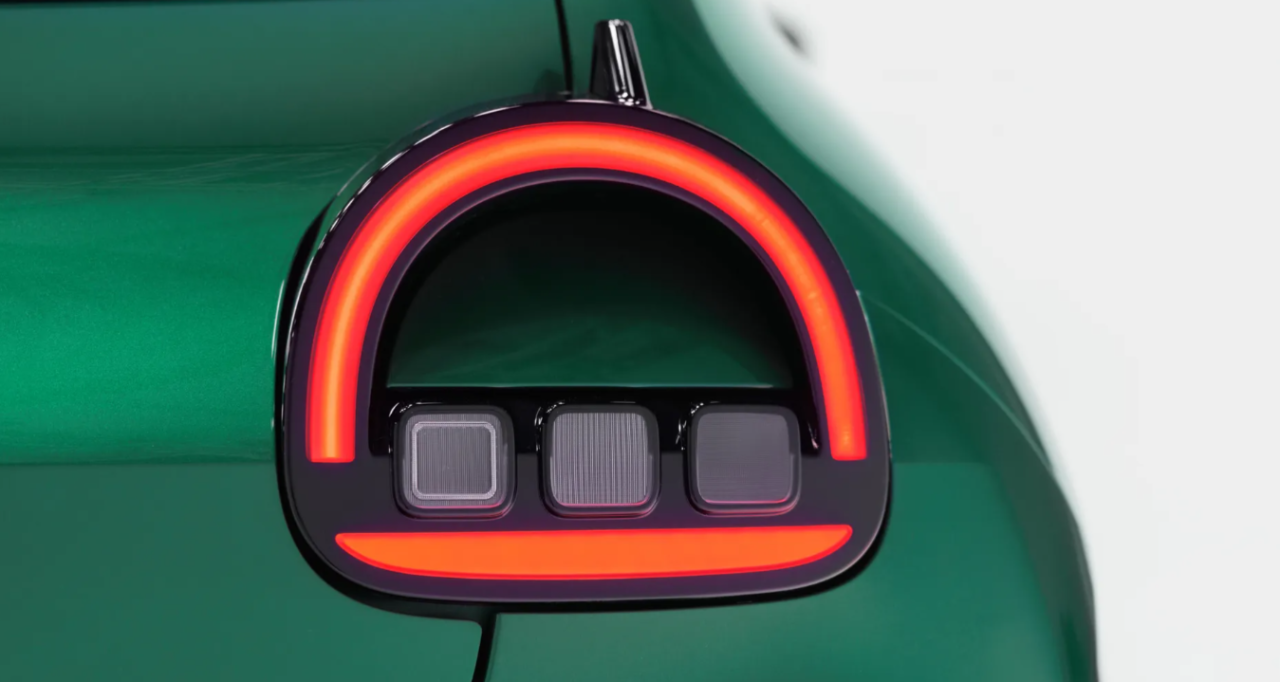
Image Credit: Renault Group.
The madness continues inside. The dashboard has color-coordinated trim. The roof lining has a hidden "Twingo alphabet" pattern. And the drive selector? It's a customizable "e-pop shifter" shaped like a lipstick. Because of course it is. Why wouldn't you want to pick the direction with a tube of Revlon? So gloriously, wonderfully, unapologetically French.
Don't think it's all gimmicks, though. The tech is serious. There's a 7-inch driver display and a 10-inch central screen. On the top trims, it runs OpenR Link with Google built in. That means Google Maps and Google Assistant, which actually work, unlike 90% of native car software. It even has 24 driver-assist systems, including - and this is a first in the segment - hands-free parking.
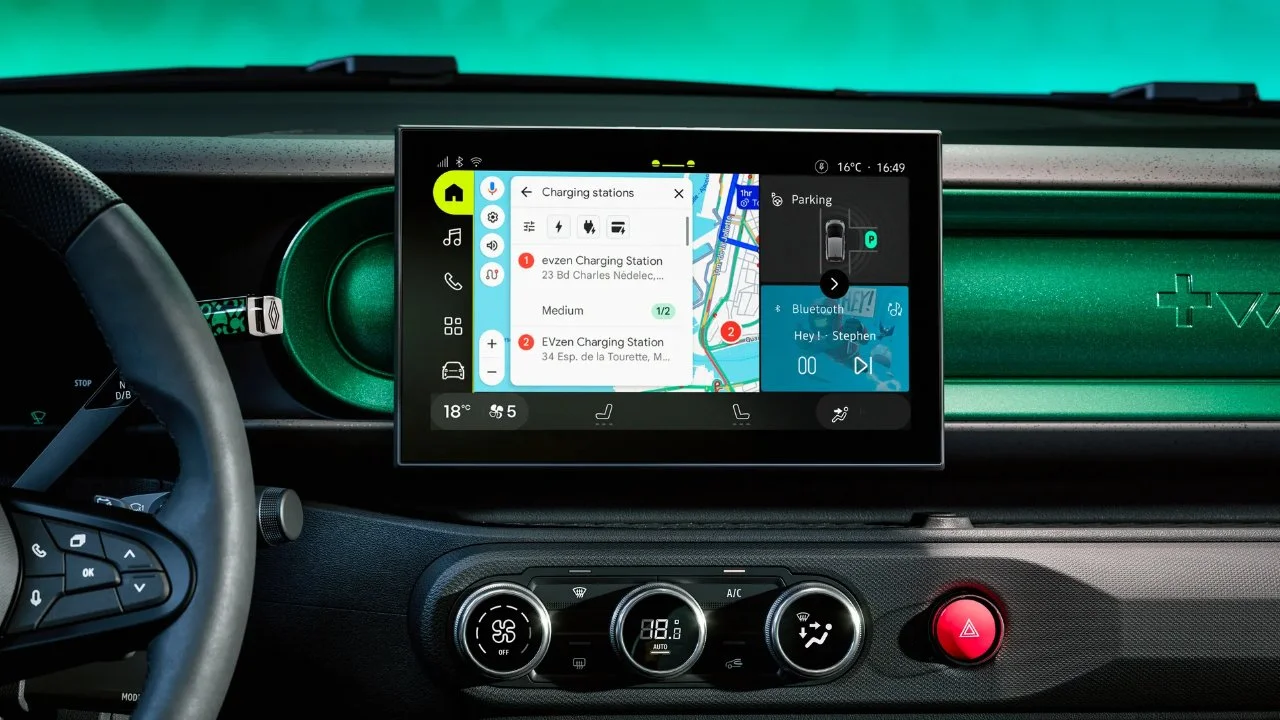
Image Credit: Renault Group.
Mind you, it also has some very French gimmicks. It has its own avatar sidekick named "Reno." A tiny electric French Jeeves who lives in your dashboard to help with charging info or answer questions. I am not making this up. It also delivers an electronic welcome jingle composed by Jean-Michel Jarre. I'm torn between genuine skepticism and hysterical laughter.
Look, the Renault Twingo E-Tech is slow, its range is "urban," and it has a digital butler. But it looks fantastic, it's cheap, and is actually practical. This is the cheerful, brilliantly clever electric runabout we've all been screaming for. It proves you don't need a 100 kWh battery and 1,000 horsepower to make a great EV. You just need a good idea. Volkswagen, your homework for 2026 is due.
Enjoyed the article? Give us a 'LIKE' and FOLLOW us on MSN! We're tracking the electric future... even if it's still buffering.
