

Image Credit: Captain Electro / AI.
I know I'm not the only one who loves the idea of electric cars. The silent whoosh of torque, the feeling of saving the polar bears, and the smug look you give the guy paying four dollars a gallon for premium unleaded. It's awesome. That's the idea of an electric car… But then reality sets in. You pull up to a charger in the middle of a rainstorm, plug in, and realize you have enough time to read the entire works of Shakespeare before you have enough juice to get home.
I have spent more of my life than I care to admit staring at a charging percentage screen, eating a sandwich that tastes like damp cardboard, waiting for the electrons to do their thing. It is the Achilles' heel of the electric revolution. But there's a tiny light shining at the end of this long, dark tunnel, courtesy of a few clever chaps in the United Kingdom who claim they have fixed it. And they haven't done it by inventing a magical new battery made of unicorn dust. No, they've done it with a valve.
Here is the thing about batteries: they are a bit like me on a beach vacation. They really do not like being too hot. When you shove electricity into a battery quickly, it gets warm. If it gets too warm, the car's computer panics and slows the charging down to a crawl to prevent the whole thing from turning into a very expensive firework.
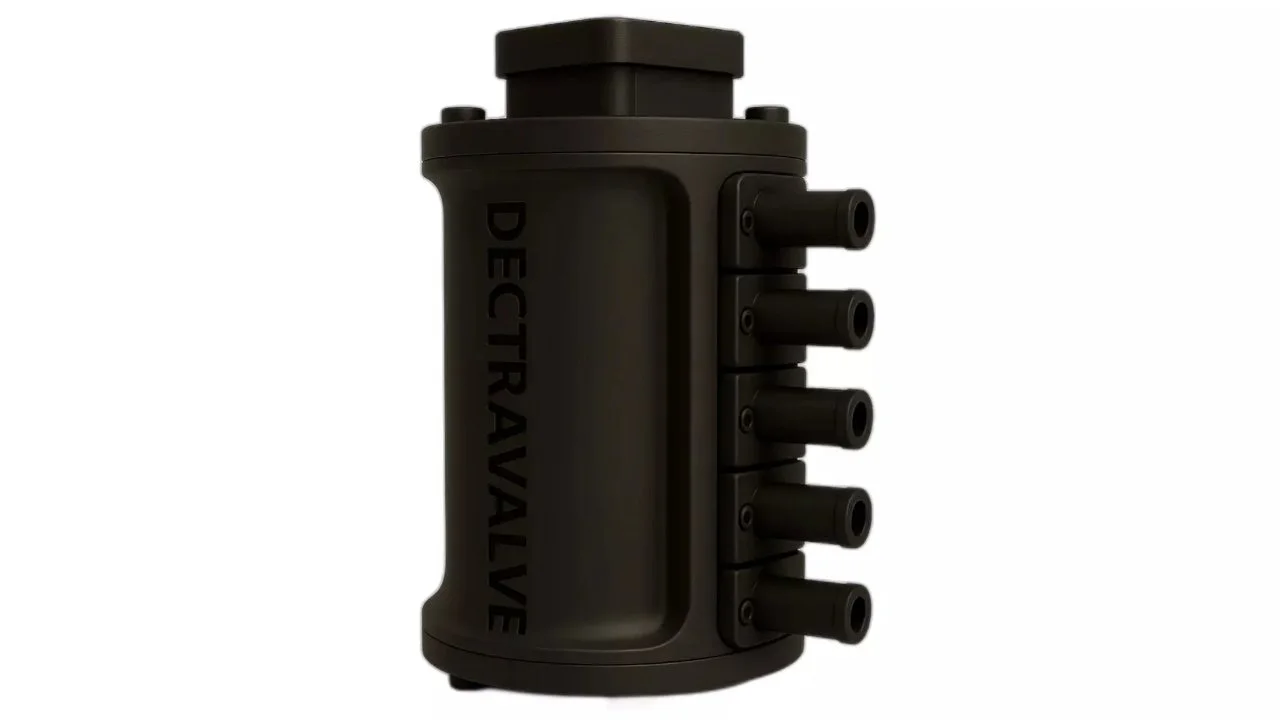
Image Credit: Hydrohertz.
Most electric vehicles try to manage this with cooling plates. But have you ever tried cooling a sizzling steak by resting it on a cold dinner plate? The bottom gets cold - the top stays hot. In a battery pack, this means some cells are chilly while others are sweating bullets. This uneven temperature is a nightmare. The hot cells scream for mercy, the car throttles the power, and you are stuck in that parking lot for another twenty minutes.
This is where a startup called Hydrohertz comes in. They have built a little device called the Dectravalve, and it is actually a very smart piece of kit. Instead of just blasting coolant around the battery willy-nilly, this device uses a single inlet to control four independent zones. It is precise. It is surgical. It eliminates "cross-flow" - that's the hot bits warming up the cold bits.
According to the folks at Hydrohertz, this thing can target specific areas of the battery that are getting toasty and cool them down instantly. It keeps the entire battery pack at a uniform temperature. I know it sounds like boring plumbing talk, but look at the numbers this plumbing achieved.

Image Credit: Captain Electro / AI.
Hydrohertz took a standard 100-kWh lithium iron phosphate (LFP) battery - something you find in many big EVs - and strapped their Dectravalve to it. They then proceeded to fast-charge the living daylights out of it. The results were ridiculous.
The hottest cell in the pack never went above 112.1 degrees Fahrenheit. The temperature difference across the whole pack was tiny. Usually, when these batteries hit 132.8 degrees Fahrenheit, they choke off the power. But because the battery stayed cool, they didn't have to slow down the charging. After all the tests, Hydrohertz concluded that this gadget slashes charging times by up to 68 percent.
Let me translate that into real-world terms. A charging stop that usually takes 30 minutes could be done in roughly 10 minutes. That is barely enough time to run inside, use the facilities, and grab a coffee. By the time you get back, you are ready to roll. That, my friends, is a world-changing difference.
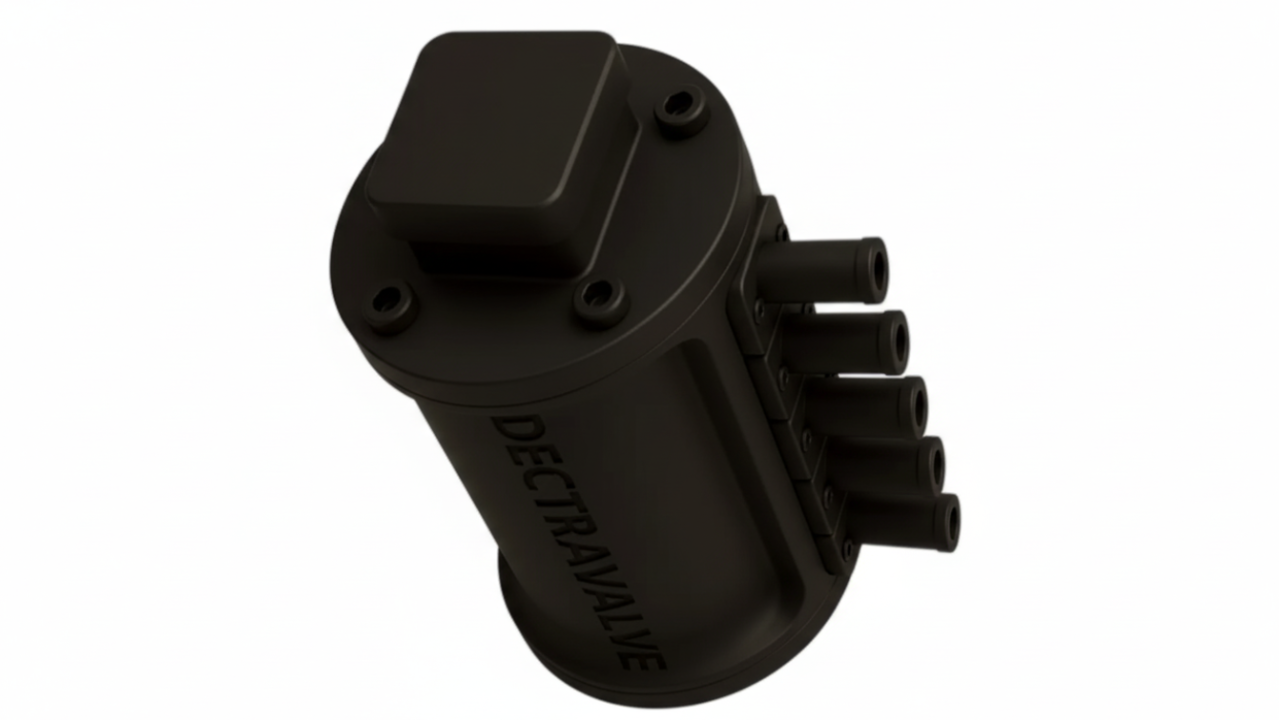
Image Credit: Hydrohertz.
The benefits don't stop at saving you from boredom. Keeping a battery at the perfect temperature - what the nerds call the "Goldilocks zone" - is also good for range. Hydrohertz claims its system can boost an EV's range by up to 10 percent.
OK, so it's not a huge number, but if you have a car that does 300 miles, that's an extra 30 miles of driving just because the battery is comfortable. It also means the battery lasts longer. Less heat stress means less degradation. My wife says that this is exactly what using a good moisturizer does to you - you just look better for longer.
You might be wondering if this is just vaporware created by some kids in a garage. It appears not. The people running this show have some serious gasoline in their veins.
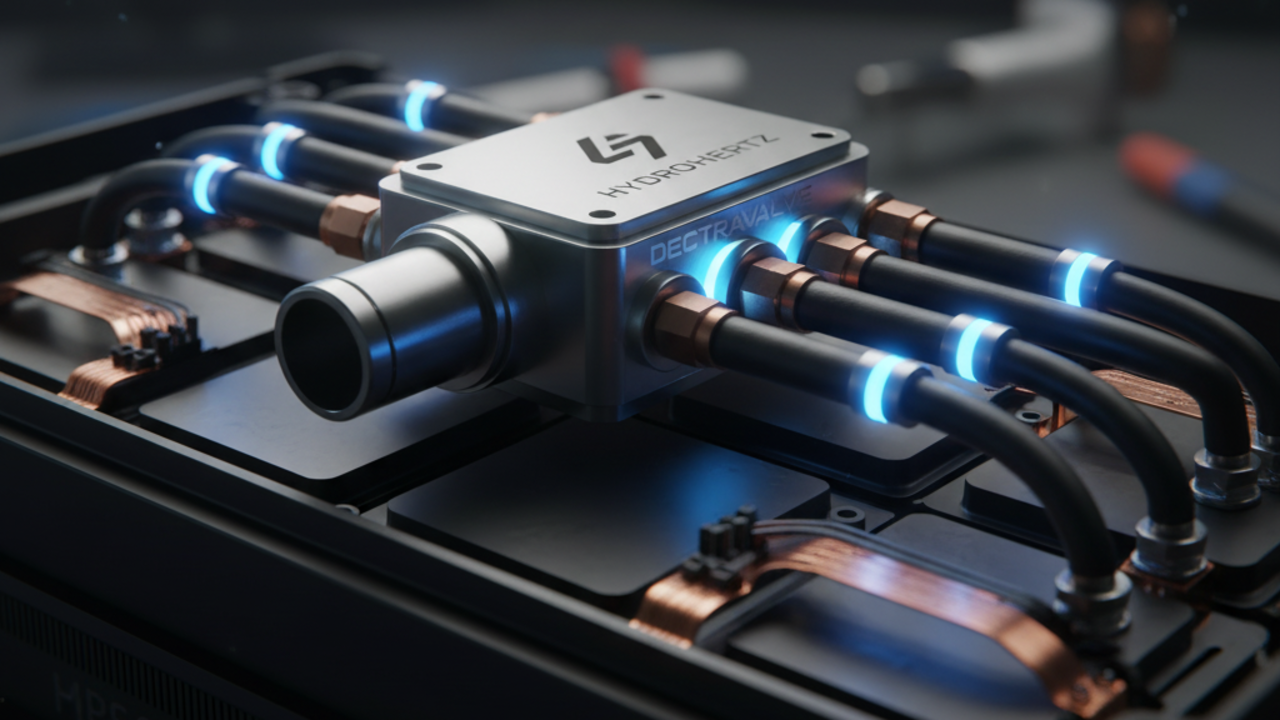
Image Credit: Captain Electro / AI.
The CEO is a man named Paul Arkesden. His resume is the sort of thing that makes gearheads weak at the knees. He was the Head of Engineering at McLaren Automotive - yes, the people who made the P1 hypercar. He also worked at Singer Vehicle Design, the company that reimagines classic Porsches into rolling works of art.
These are people who understand performance. They understand that if you want a car to go fast and keep going fast, you have to manage the heat. Arkesden puts it simply: car makers can wait ten years and spend billions on new battery chemistry, or they can use this valve right now to make current cars better.
Of course, there is a catch. There is always a catch. Hydrohertz doesn't make cars; they make parts. This means they need to convince the big automakers - Ford, GM, Tesla, and the rest - to buy their clever valve and put it in the cars. And that is easier said than done. The auto industry moves at the speed of a glacier melting in the 1990s. But it has happened before. Mercedes-Benz was so impressed by a startup called Yasa that they just bought the whole company.
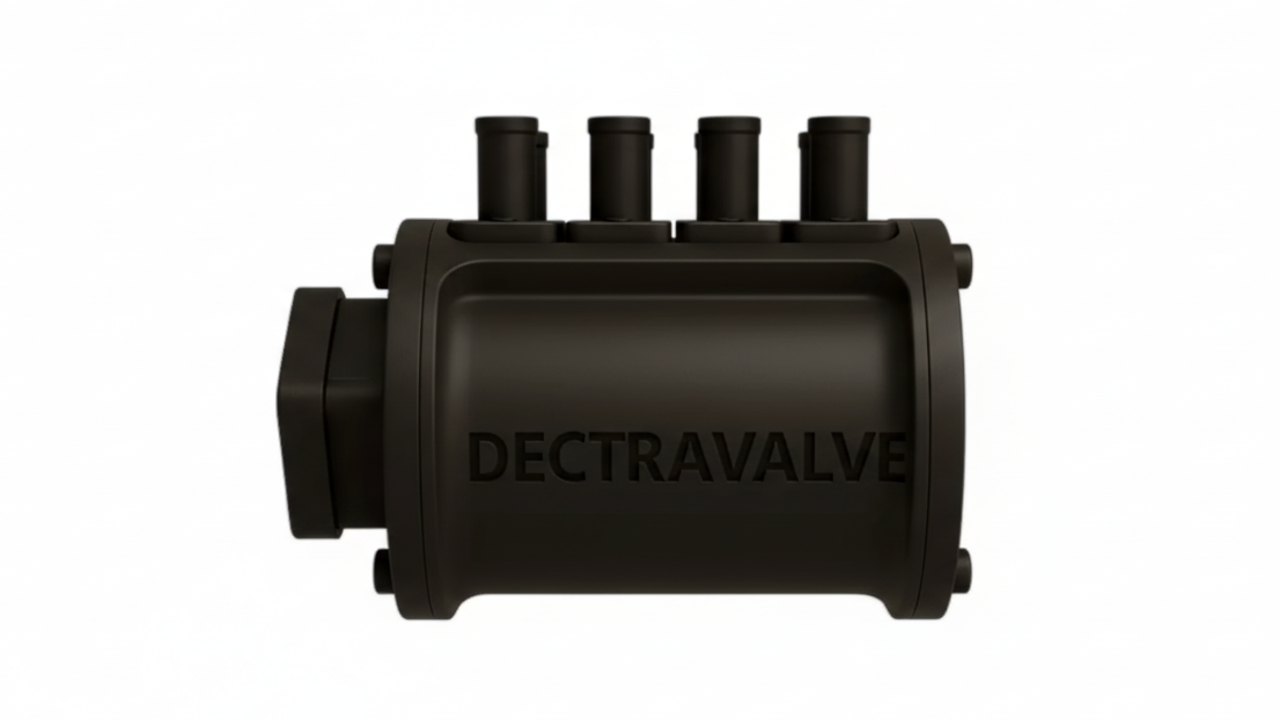
Image Credit: Hydrohertz.
If the Dectravalve is as good as they say, it solves the biggest problem with electric cars for a fraction of the cost of developing a new battery. It's a "why didn't I think of that" invention. The bottom line? We might be on the verge of a world where you can charge your electric car in ten minutes. No more nap times at the highway rest stop. No more range anxiety. Just plug in, grab a snack, and go. It's almost enough to make my neighbor want to buy one. Almost.
Enjoyed the article? Give us a 'LIKE' and FOLLOW us on MSN! We're tracking the electric future... even if it's still buffering.
