

Image Credit: YASA.
When the guys at YASA dropped their last electric motor, the magical little hockey puck that somehow squeezed out over 700 horsepower while weighing less than a bag of bowling balls, I thought that was it, job done. What else was there to do? Surely, the laws of physics - the grumpy, old headmaster of the universe - must have put its foot down, right? How wonderfully wrong I was.
It turns out the team at YASA has been back in the shed, and this time they haven't just ignored the laws of physics, they've given them a light tap on the nose and sent them off to bed without supper. I kid you not. Barely a calendar quarter has passed since their last unofficial world record for power density - a number that already looked suspiciously like a typo - and they've already reset the benchmark.
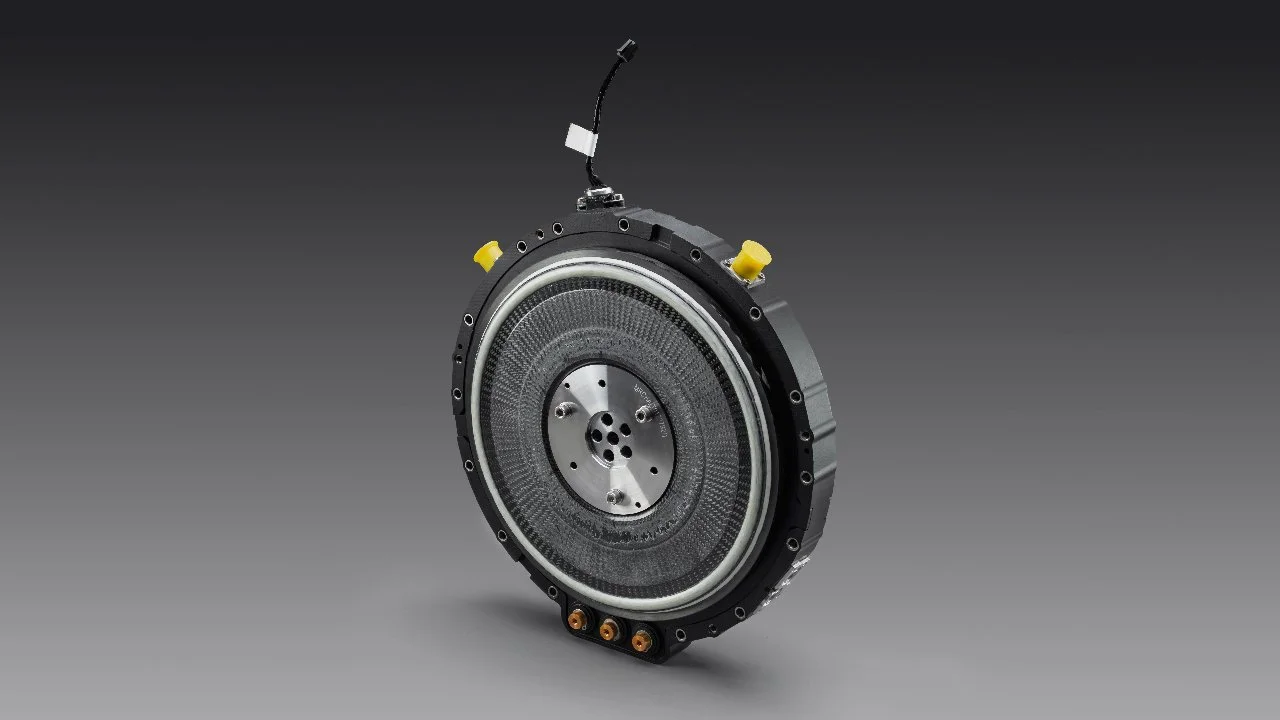
Image Credit: YASA.
I think YASA has a dartboard in the office, and the bullseye is labeled 'make petrolheads cry.' Their previous effort, that 738-horsepower electric beastie, which boasted a power density of around 25.5 horsepower per pound, was already nearly double what some of their close competitors were managing. I remember thinking, "Right, that's the end of that silly little race."
But no. The sweet electric misery for the internal combustion engine goes on. The newest creation from the axial flux pioneers is even lighter, smaller, and significantly more potent. This latest prototype motor has shaved off a fraction of an ounce and, in a fit of pure spite, boosted the power output by over a third. What we have here is an electric motor that weighs a paltry 28 pounds and cranks out a peak power of… 1,006 horsepower exactly.

Image Credit: YASA.
Let's just take a sweet moment for that to settle in... A machine that fits on a shelf and delivers more oomph than some of the most exotic hypercars ever built. The new unofficial power density record? It sits at 35.9 horsepower per pound. That's a 40% jump on their previous, already incredible number.
If it was me, I'd be checking the dyno calibration just in case a decimal point has gone rogue. YASA's Chief Technology Officer, Tim Woolmer, assures us this isn't just a pretty picture on a monitor. "It's running, right now, on the dynos," he says. Well, if that's not a sentence designed to make the engine bay of a classic muscle car spontaneously combust in shame, I don't know what is.

Image Credit: YASA.
To put this incredible number into perspective, let's look at the competition. We've seen some other genuinely impressive motors recently, like the one from the British specialists Helix that was developed for a hypercar project.
The Helix motor weighed around 62 pounds and produced 953 horsepower, giving it a power density of about 15.5 horsepower per pound. A very respectable figure, you'd think, until YASA comes along and doubles it. Other noteworthy bits of kit from the aero and marine world clock in around 8 to 9 horsepower per pound. They're all very nice, capable motors, but next to this new YASA prototype, they look like the chunky, plastic toys you get in a kids' meal.

Image Credit: YASA.
And it gets better, or worse, depending on your views on existential dread for the internal combustion engine. This monstrous little pancake can run continuously, not just in short bursts of madcap power. YASA estimates the sustained, continuous output to be between 469 and 536 horsepower. Which, if you're keeping score - and I always am - gives it a continuous power density of around 17 horsepower per pound. This motor's sustained power density is greater than the peak power density of most other high-performance motors.
Now for the inevitable, soul-crushing part of any incredible technological breakthrough: When can I buy one? I've already cleared out the moth-eaten rotary engine from my trusty (and little rusty) RX-7 - a true act of automotive sacrilege, I know. But you can't make an omelet without breaking a few very expensive, high-revving shells. I want two of these electric pancakes, please, YASA.

Image Credit: YASA.
Unfortunately, the company is playing coy. They haven't given us so much as a vague, hand-wavy timeframe for production. They are, however, still focused squarely on the performance end of the pool, which means we might see it in Mercedes-AMG's next world-conquering hypercar before it shows up in something that can take little Johnny to soccer practice.
But there is a silver lining in this cloudy, non-committal sky. YASA promises the motor's core architecture is fully scalable and doesn't rely on any silly, exotic materials. It means that one day, this technology, currently meant only for the high-performance gods, might trickle down to the rest of us humble mortals.

Image Credit: YASA.
This suggests that YASA is developing a platform, not just a one-off F1-style science project where cost is a suggestion and manufacturability is an afterthought. So, I'll wait. I'm clearing the garage, anyway and the RX-7 has been ready for its heart transplant for a while now. We just couldn't find the right donor… Until now.
Enjoyed the article? Give us a 'LIKE' and FOLLOW us on MSN! We're tracking the electric future... even if it's still buffering.
Related article you might find interesting: Is This 29-Pound Electric Motor Magic or Just Brilliant British Engineering?
