Image Credit: Captain Electro.
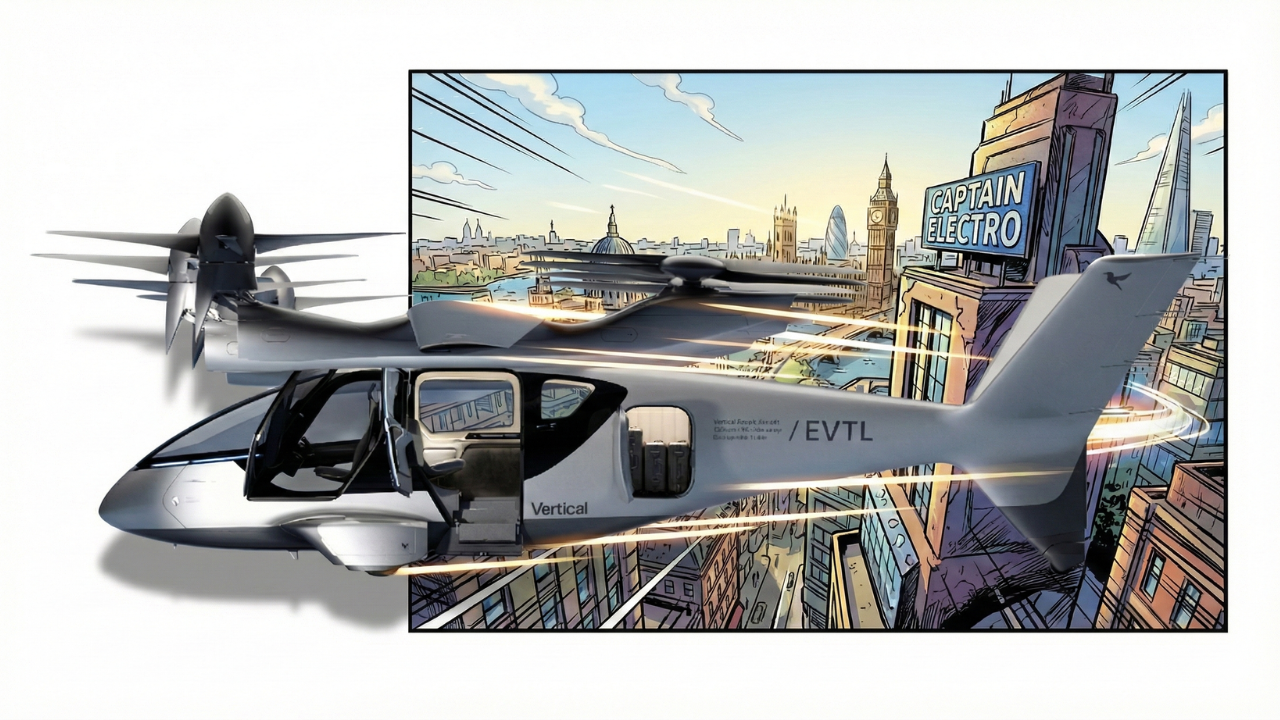
Oh boy… another eVTOL just landed on my desk. Back in the day, if you wanted to fly, you needed a runway, a lot of fuel, and commitment to going absolutely deaf. But now, apparently, the skies are going to be full of flying washing machines, buzzing around like oversized mosquitoes. Yet, here I am, smiling like a lottery winner, because this latest flying gizmo from Britain, the Vertical Valo, actually looks promising.
I know, I know. It sounds like I've finally taken one too many Gs in a flimsy prototype, but bear with me. These clever chaps across the pond, Vertical Aerospace, have taken their flight-testing prototype, the VX4, looked at it with an honest, engineering eye, and gone, "Right, let's make it more than just a clever physics experiment." The result is the new, shiny, production-conforming Valo, and it's meant to be the next big thing in urban travel. Or, as their CEO put it, the "people's air taxi." That's a lovely sentiment, but I bet the first "people" to use it will be investment bankers.

Image Credit: Vertical Aerospace.
The Valo, which is aiming for a 2028 certification with the European and UK safety agencies - so, we'll see it by 2035 then, maybe - is designed to take six passengers, though the initial "premium" setup will be a more civilized four. Each of those lucky souls gets to bring a checked bag and a carry-on, which is surprisingly generous for what's essentially a jumbo drone. The total payload capacity is a respectable 1,200 pounds, or just over half a U.S. ton.
Powering this contraption is an under-floor battery system made up of eight liquid-cooled packs, using cells from Molicel. These feed juice to eight carbon-fiber composite propellers. The props tilt, of course, giving us that lovely helicopter-style vertical lift and then a fixed-wing cruise. Range is pegged at about 100 miles on the electric version, with a potential for a bit more if they bring a hybrid-electric option to market. Speed? A cruising velocity of 150 miles per hour, making a trip between London's Canary Wharf and Heathrow Airport to last an estimated 12 minutes. By car, that's 60 to 90 minutes of exhaust-fumed misery. I'd pay a good premium just to avoid the M25 motorway, thank you very much.
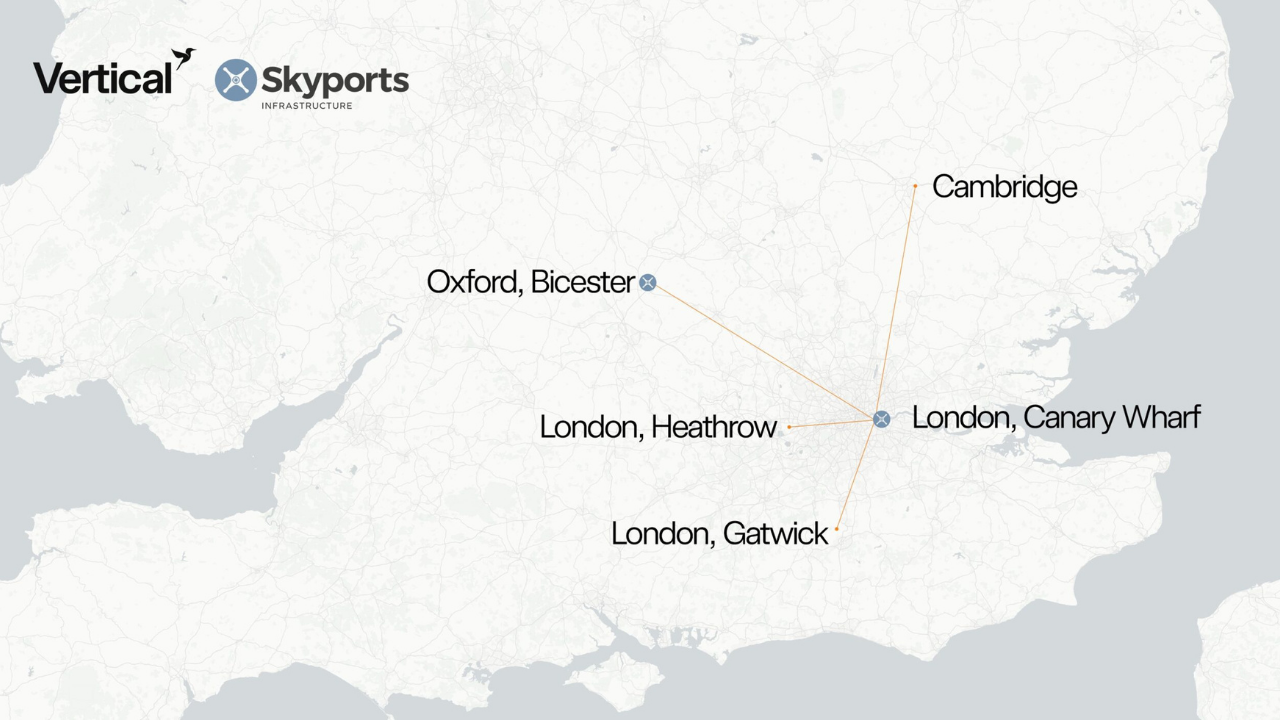
Image Credit: Vertical Aerospace.
Here's where they really stick the landing, or rather, the vertical descent. One of the main concerns with these flying machines is the noise. Helicopters sound like an elephant stomping on a sheet metal roof. Apparently, the Valo produces less than 50 decibels of noise in cruise flight. To put that in perspective, 50 decibels is about as loud as a quiet office or moderate rain. The CEO even compared it to a washing machine. A washing machine! I can already see the city mayors sighing with relief. This quietness, Simpson reckons, will give the Valo "permission to open up the skies," allowing air taxi networks to connect city centers with airports without the traditional local population reaching for pitchforks, or noise complaints.
The overall design has been tweaked from the VX4 prototype - there's a more aerodynamic airframe, a redesigned wing, and new propellers. All this to meet the incredibly high bar of "airliner-level safety certification" - we're talking one catastrophic event per one billion flight hours. That's the same safety standard as a massive Airbus. It's comforting, really. It means the only thing you have to worry about is whether your checked bag actually makes it onto the flight.

Image Credit: Vertical Aerospace.
The big, hovering question is, of course: how much will it cost me to avoid the aforementioned traffic? eVTOLs have been criticized for being a rich man's shuttle - a sky-Uber for the 0.1%. But Vertical's CEO, in a moment of pure marketing genius, likened the Valo to an iPhone. Of course, it'll be "premium" to start from, but the company claims that eventually, the cost will be "the same as a cab." My question is: Which cab? The battered old sedan that smells of old fries, or the luxurious, high-end one where they offer you bottled water?
With about 1,500 pre-orders from major players like American Airlines and Japan Airlines, there's clearly a belief that this sky-lounge will be a profitable venture. Vertical Aerospace is going to need around $700 million to get this certified by 2028, a big chunk of which is already raised, and the resulting economic boost to the UK is predicted to be $4 billion annually, creating over 2,000 skilled jobs. Good for them! I love it when I see the Brits make things that actually fly, instead of just expensive trains that don't quite go where you need them.
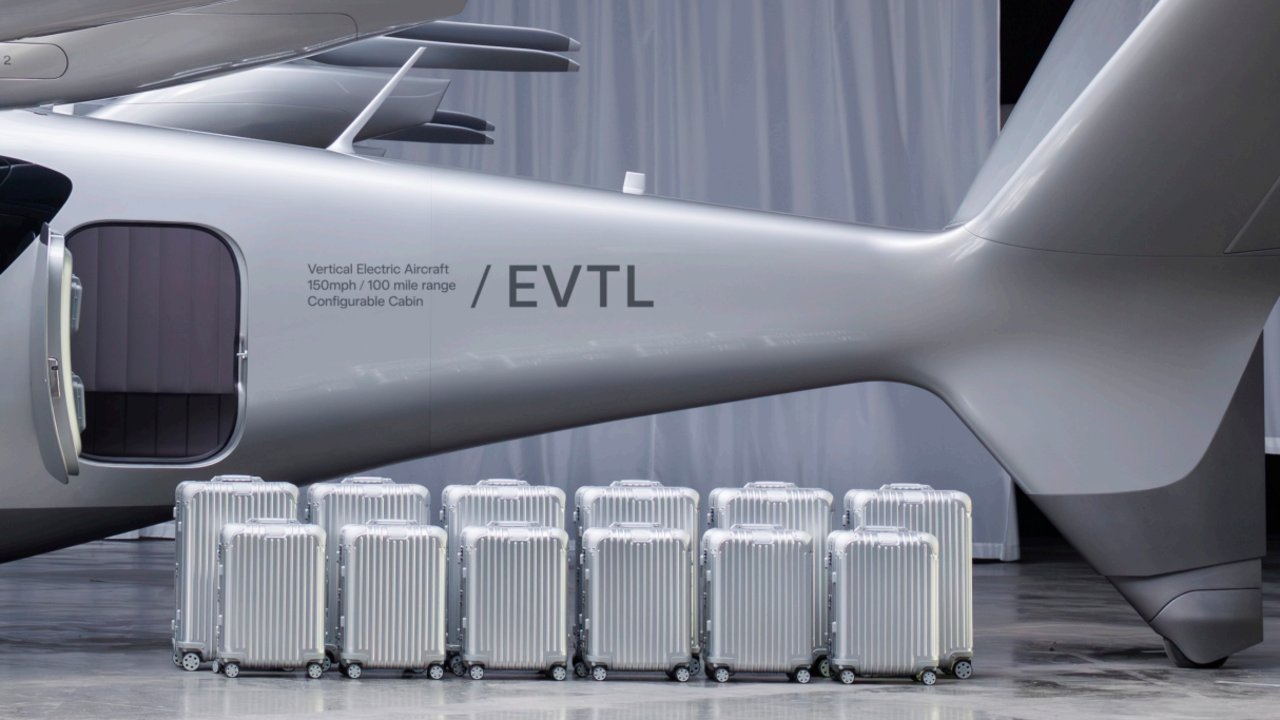
Image Credit: Vertical Aerospace.
The Valo is a sleek, quiet, and rapid-transit concept, taking its place alongside other ambitious electric aircraft from companies like Joby and Archer. It's got the right partners, the right specs, and the right, albeit highly optimistic, cost projection. It promises to whisk us up to a cruising altitude of around 2,000 feet, though it can climb to a dizzying 9,500 feet if you ask nicely.
If Vertical can actually deliver the Valo by 2028, it will revolutionize short-haul air travel. No more fighting for the last parking spot at the airport or trying to explain to a cab driver that, yes, you do want to go to that very obscure corner of the city. You just take the electric, flying washing machine to the sky instead. I'll be watching this closely, and probably packing an extra pair of earplugs, just in case that 50-decibel claim turns out to be just a bit of marketing exaggeration.
Enjoyed the article? Give us a 'LIKE' and FOLLOW us on MSN! We're tracking the electric future... even if it's still buffering.
