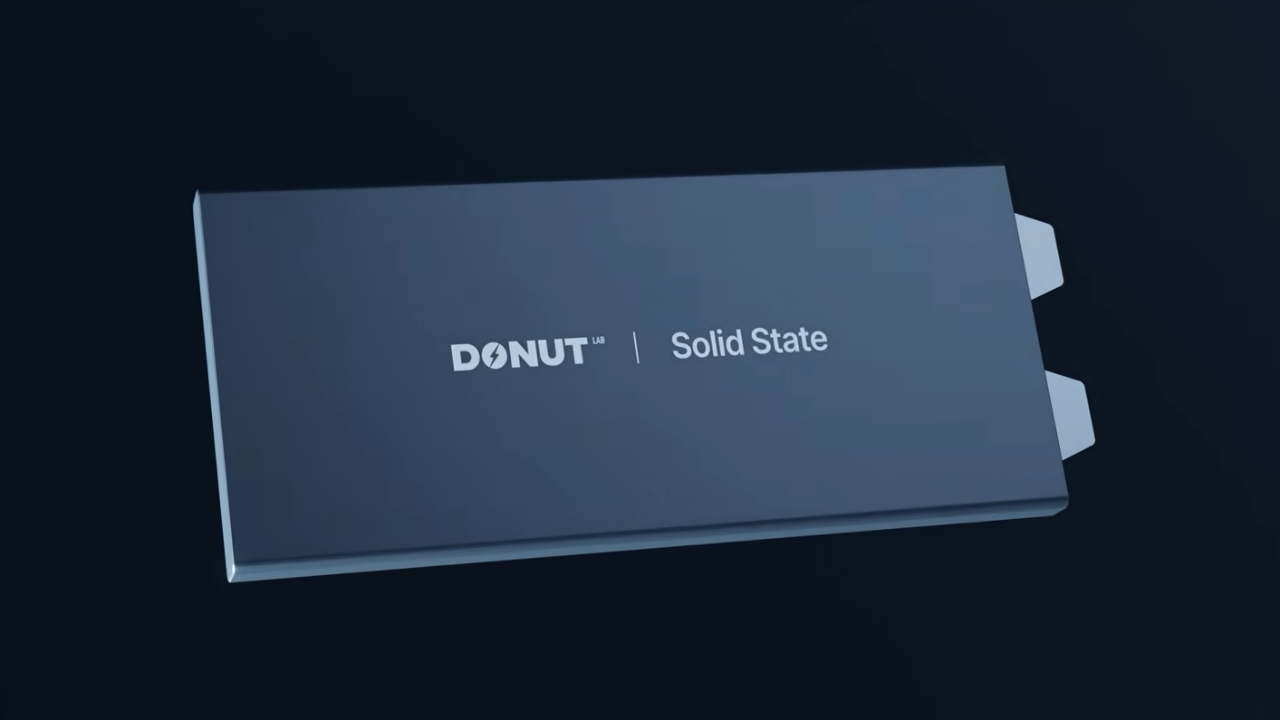
Image Credit: Donut Lab.
The EV industry has become a one giant soap opera right now, and Donut Labs is putting on a performance that makes Netflix look overpriced. The first episode saw the fast-charging claims proven right, then we had heat resistance results that make Jalapeño look weak. And now, we have Episode Three of the "I Donut Believe" saga. Our friends in Finland at the VTT Technical Research Centre have poked and prodded another solid-state cell, and the results are in. It's about as tense as a long-haul flight with a crying toddler, but considerably more interesting.
The latest report focuses on the "Self-Discharge" test. It's an answer to a question: If I leave my electric chariot in the garage for ten days while I'm off hiking, will it still have enough juice to get me to the pub when I return? Donut Lab claimed their battery wouldn't just leak its energy into the ether like a sieve. According to the independent boffins at VTT, the battery kept 97.7% of its charge after sitting idle for 240 hours. That's ten days of doing absolutely nothing, which, funnily enough, is my favorite weekend activity.
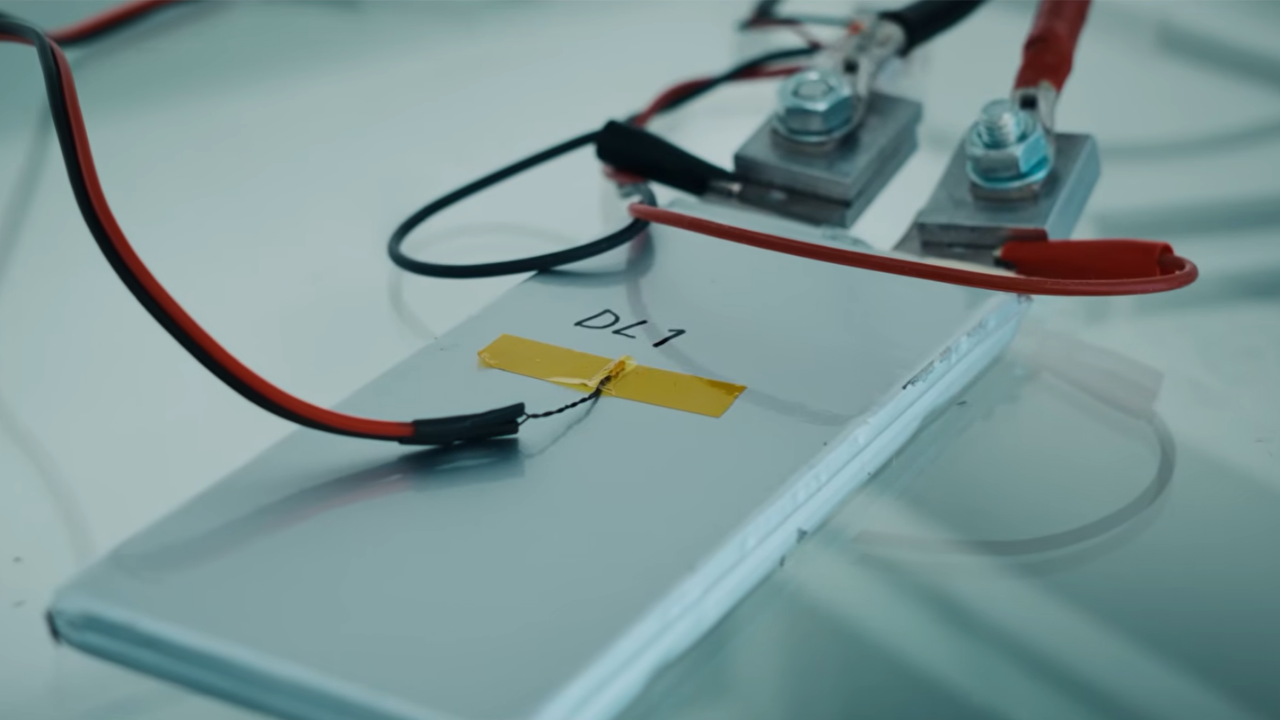
Image Credit: Donut Lab.
Let's talk numbers, because I know you lot love a bit of data with your coffee. The test cell, dubbed DL1, showed an initial capacity of 26.5 Amp-hours. The official spec sheet only called for 26 Amp-hours, so it's already over-delivering like a postman on double pay. They charged it up to about 50%, left it in a room that was a comfortable 72 to 82 degrees Fahrenheit, and waited. After the ten-day nap, they pulled out 13.029 Amp-hours. Solid, reliable, and a bit better than my old internal combustion heap which loses its mind if the temperature drops below freezing.
No time for celebrations yet. The voltage data shows a bit of a "relaxation" period - in the first hour, the voltage dropped about 103 millivolts. Most of that isn't the battery dying; it's the chemistry settling down after the excitement of being charged. Between hour 10 and hour 240, the voltage only drifted by a tiny 12 millivolts. It's flatter than a pancake that's been run over by a steamroller. While a standard lithium-ion cell usually loses about 5% in the first day, this solid-state wonder seems to have found a way to keep its composure.
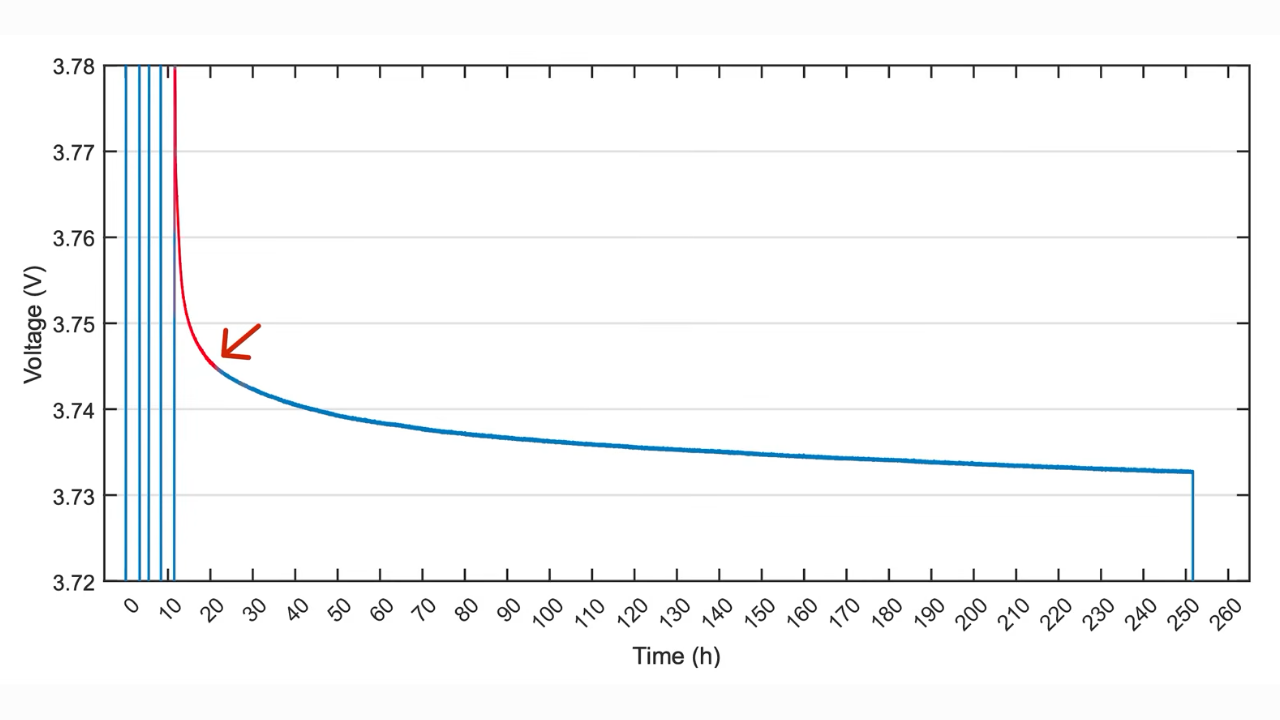
Image Credit: Donut Lab.
Of course, being as skeptical as I am, I have to point out the elephant in the room. Rather, the elephant that isn't there because we don't know how much it weighs. The legendary claim of 181 Watt-hours per pound (that's 400 Wh/kg for the metric fans) is still unverified. Why? Because nobody has publicly put this thing on a scale yet! VTT measured the energy at 91.8 Watt-hours, but without a confirmed weight, we can't say if this is a revolution or a very efficient paperweight.
We also haven't seen the "100,000-cycle" proof. If that claim holds water, you could charge your car every day for 273 years. By the time the battery dies, we'll all be flying around in personal graviton-pods or, more likely, still complaining about the price of electricity. Donut Lab is proving the easy stuff - the engineering bits like fast charging (0 to 80% in 4.5 minutes) and high-temp tolerance. But they're dodging the "physics-defying" stuff with the grace of a politician dodging a straight question.
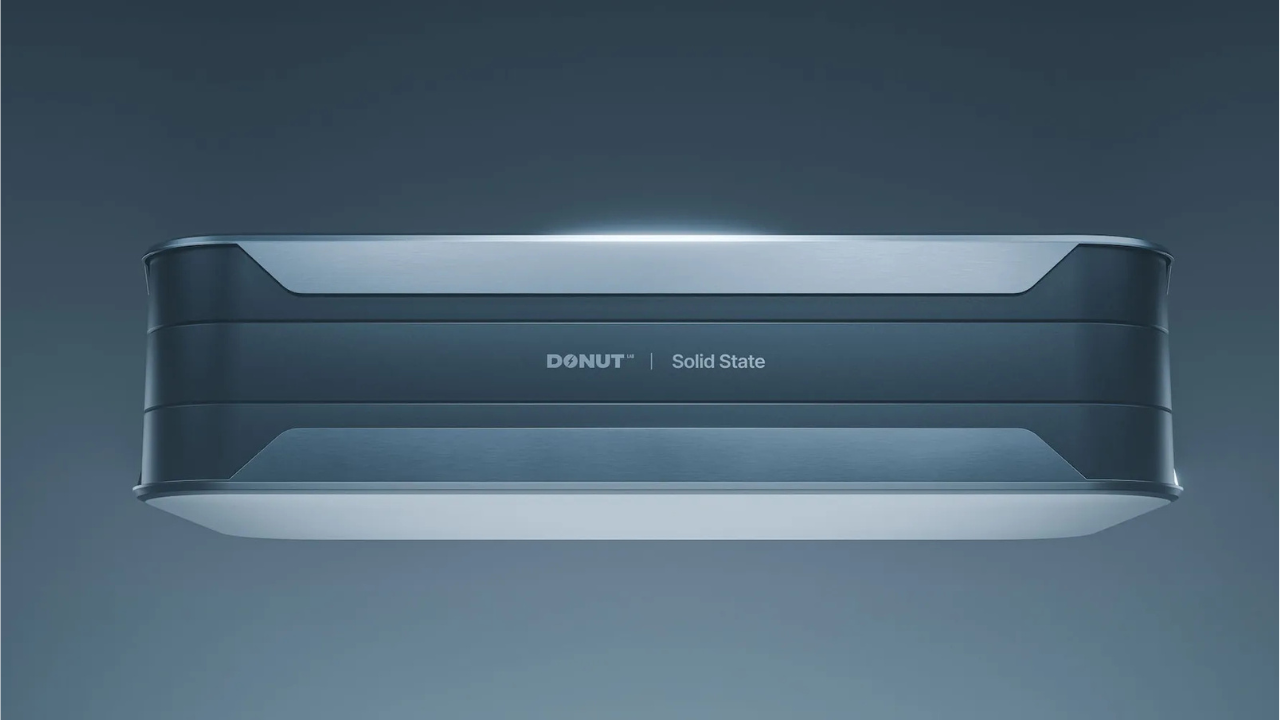
Image Credit: Donut Lab.
CEO Marko Lehtimäki has staked his entire reputation on shipping Verge Motorcycles with these cells by the end of the first quarter of 2026 - my calendar tells me that's only a few days away! It's absolute marketing genius or a very elaborate way to ruin a career. The tension is rising faster than the torque on a high-end EV motor.
The third test is a win for the "it actually works" column. A 2.3% loss over ten days is perfectly workable for the real world. Is it world-changing? Not yet. But as a piece of drama, it's top-shelf. We're waiting for the final act where they weigh the bloody thing and run it through a thousand cycles. Until then, I'll keep my charging cables handy and skepticism dialed up to eleven. It's going to be a wild ride to the finish line!
Enjoyed the article? Give us a 'LIKE' and FOLLOW us on MSN! We're tracking the electric future... even if it's still buffering.
Related articles from Captain Electro on MSN:
Wait, did a battery just get better by being fried?
