Image Credit: Candela.
I'm not going to hide that I have always approached electric boats with the same level of enthusiasm I have for non-alcoholic whiskey. Usually, an "electric sea voyage" involves putting along at the speed of a drowsy whale, praying the batteries don't die and leave you drifting toward the rocks while you search in panic for a nonexistent extension cord.
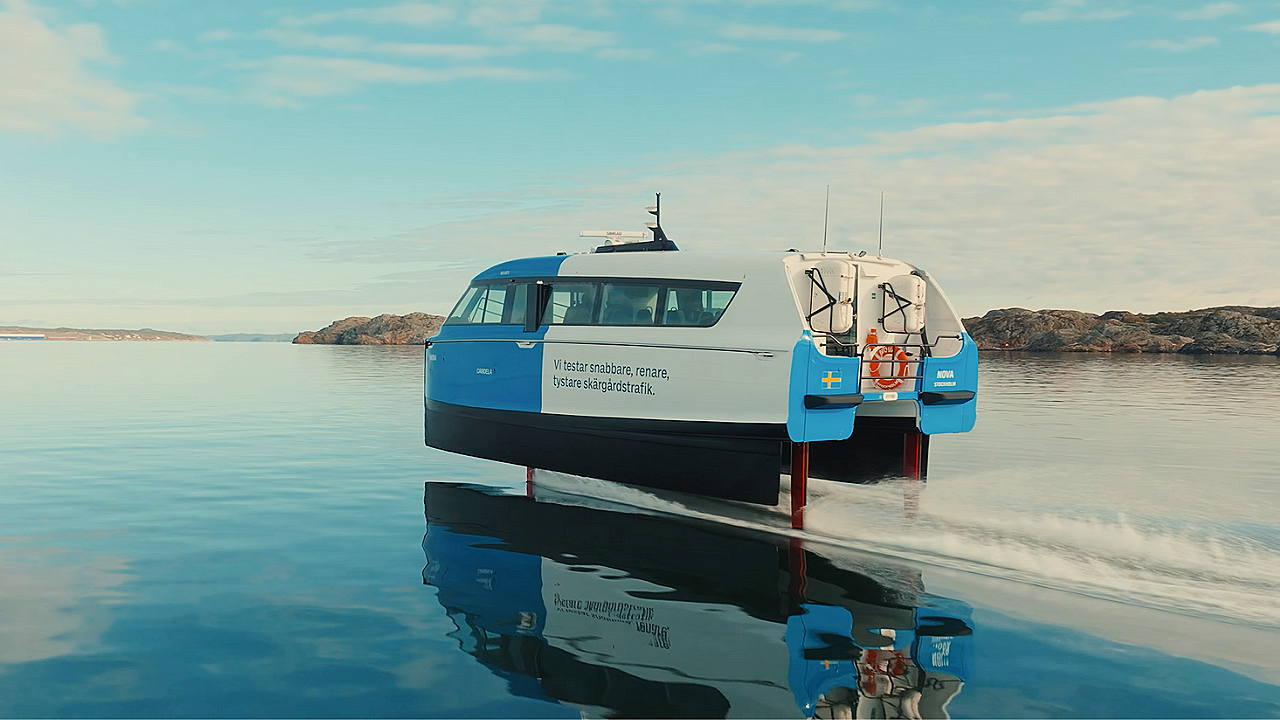
But the mad geniuses at Candela have done something properly mental, something that might prove me completely wrong. They took their P-12 passenger ferry and decided to go for a wee trip. And by "wee trip," I mean they sailed that "flying" boat from Gothenburg, Sweden, all the way to Oslo, Norway. That is roughly 150 miles of open water. For an electric boat, that is basically a moon landing.
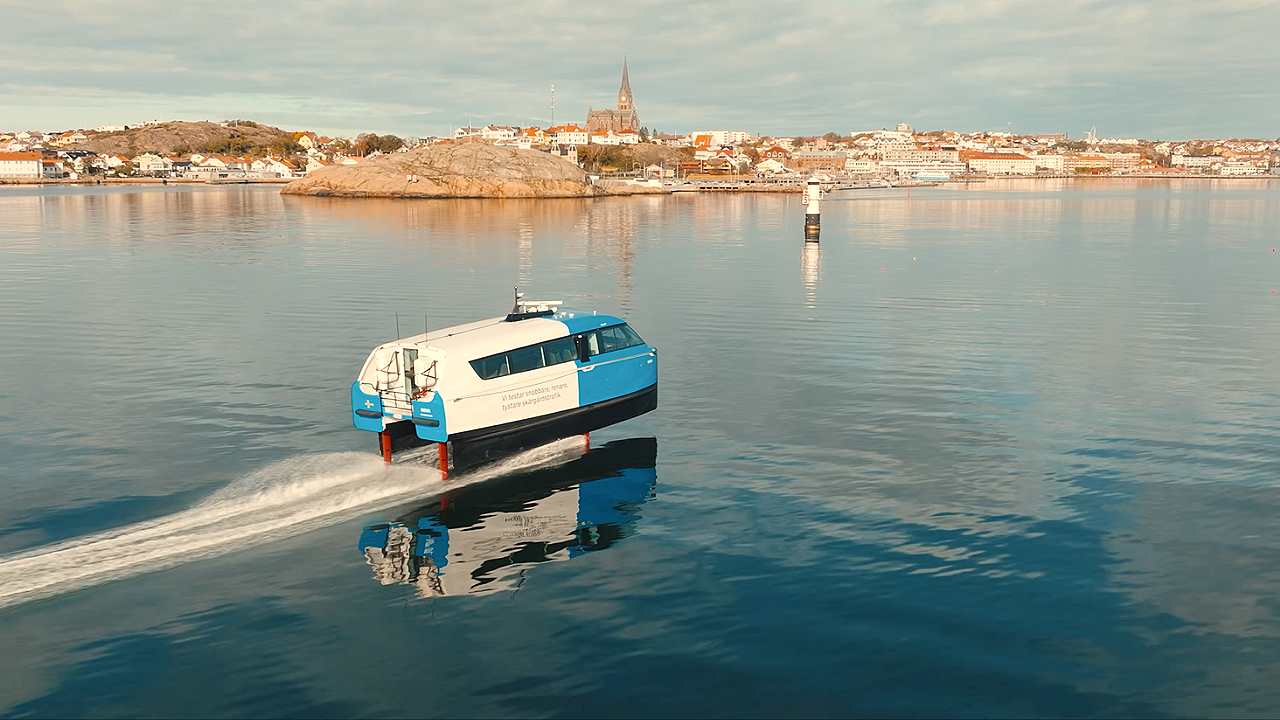
Image Credit: Candela.
How did they not sink or run out of juice halfway there? The secret sauce is under the water. The P-12 uses computer-controlled hydrofoils. These are basically underwater wings that lift the entire hull out of the water once you pick up a bit of speed. It is flying. Actual flying. Because the boat isn't smashing through the waves like a clumsy brute, it cuts drag by a massive 80 percent.
The specs on the P-12 are enough to make any tech nerd happy. It cruises at around 29 mph and has hit speeds over 34 mph in testing. On a single charge, it can cover about 46 miles. That might not sound like a cross-country range, but for a ferry, that is huge. Most electric ferries today are heavy, sad tubs that manage about 11 miles and require charging stations that cost a small fortune.
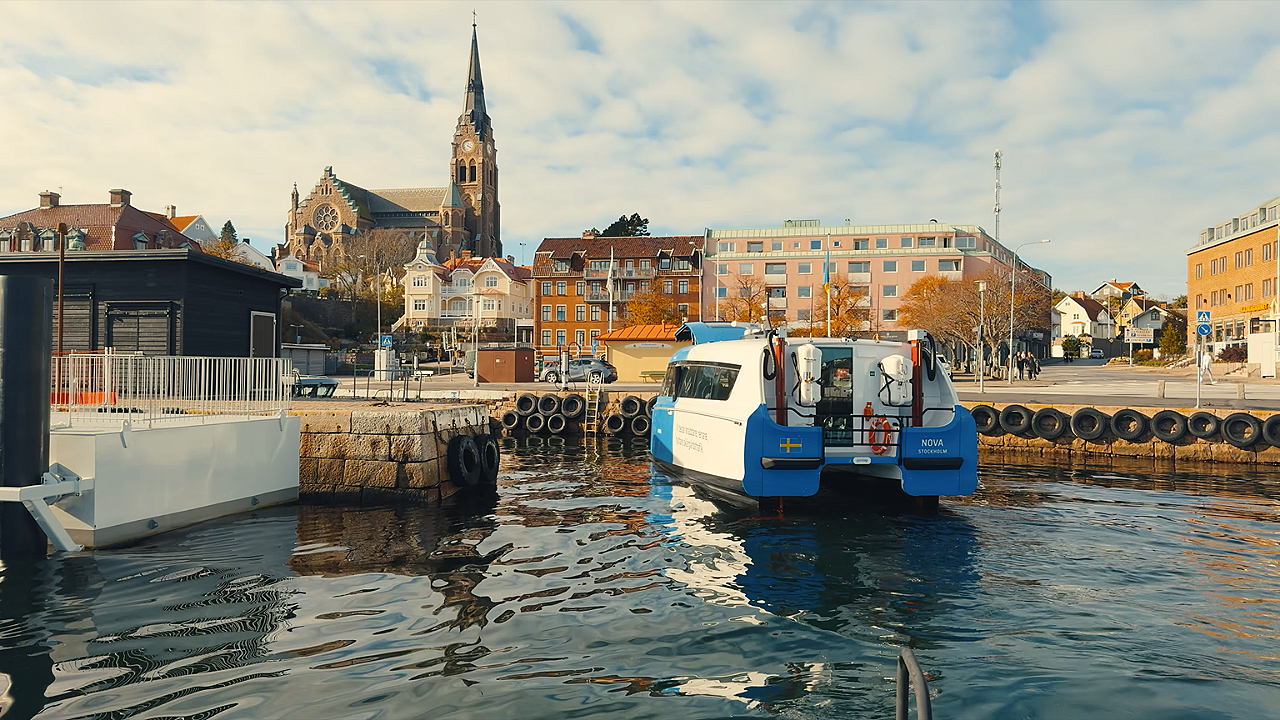
Image Credit: Candela.
Speaking of charging, this is the best part. They didn't need to build a nuclear power plant at the dock. The P-12 just plugs into standard fast chargers, the same ones you'd use for your car. It takes about an hour to juice up. And when they couldn't find a plug on the dock, they used a portable charger powered by a battery pack towed behind a Ford F-150 Lightning. Yup, an electric truck saved the day.
The whole trip took three days, mostly because they were stopping to show off, but the actual travel cost was laughable. The electricity bill for the entire international voyage came to just over $230. That is cheaper than a mediocre dinner for two in downtown Manhattan.
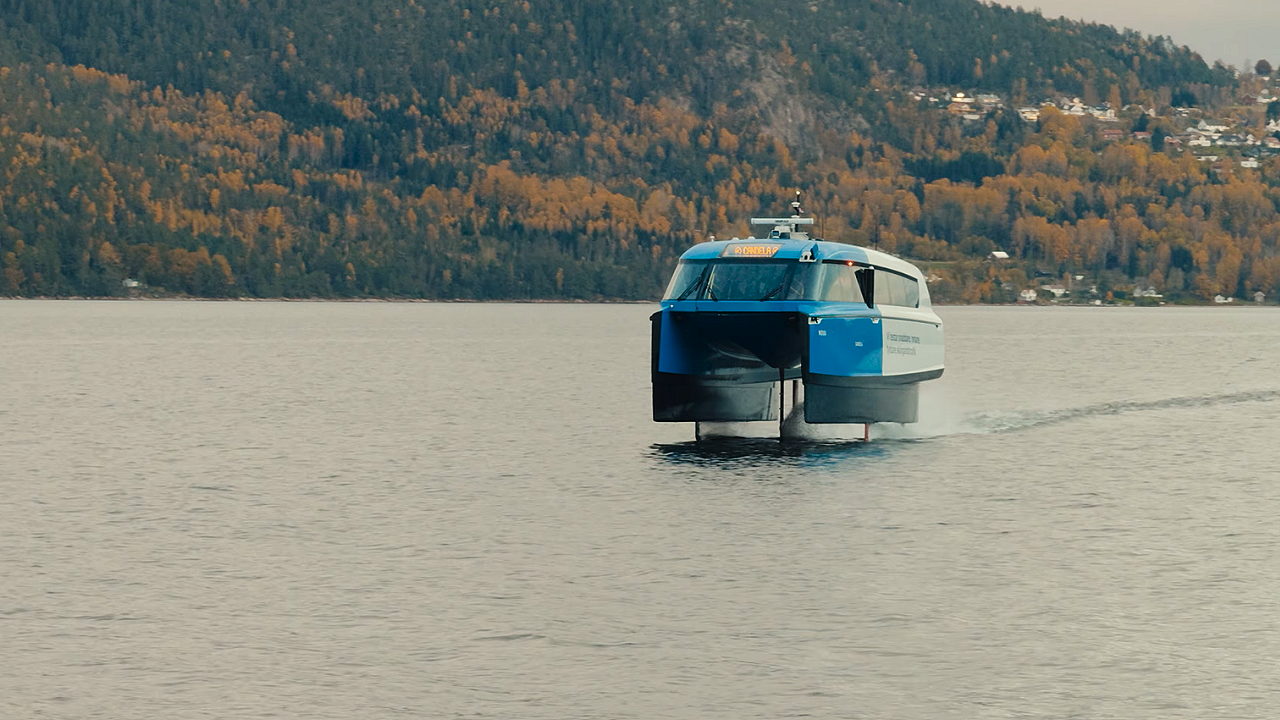
Image Credit: Candela.
Gabriele De Mattia, the lead engineer who probably hasn't slept in weeks, made a grand point. He noted that the hidden cost of electric boats is usually the massive infrastructure. With the P-12, you don't need that. You just need a plug.
A boat that flies, costs pennies to run, and doesn't require a government grant to recharge? It is currently the fastest electric passenger vessel in service, already terrorizing the waters of Stockholm. I hate to admit it, but I'm impressed. The age of the loud, diesel-belching ferry might actually be coming to an end, and for once, the alternative isn't rubbish.
Enjoyed the article? Give us a 'LIKE' and FOLLOW us on MSN! We're tracking the electric future... even if it's still buffering.
