
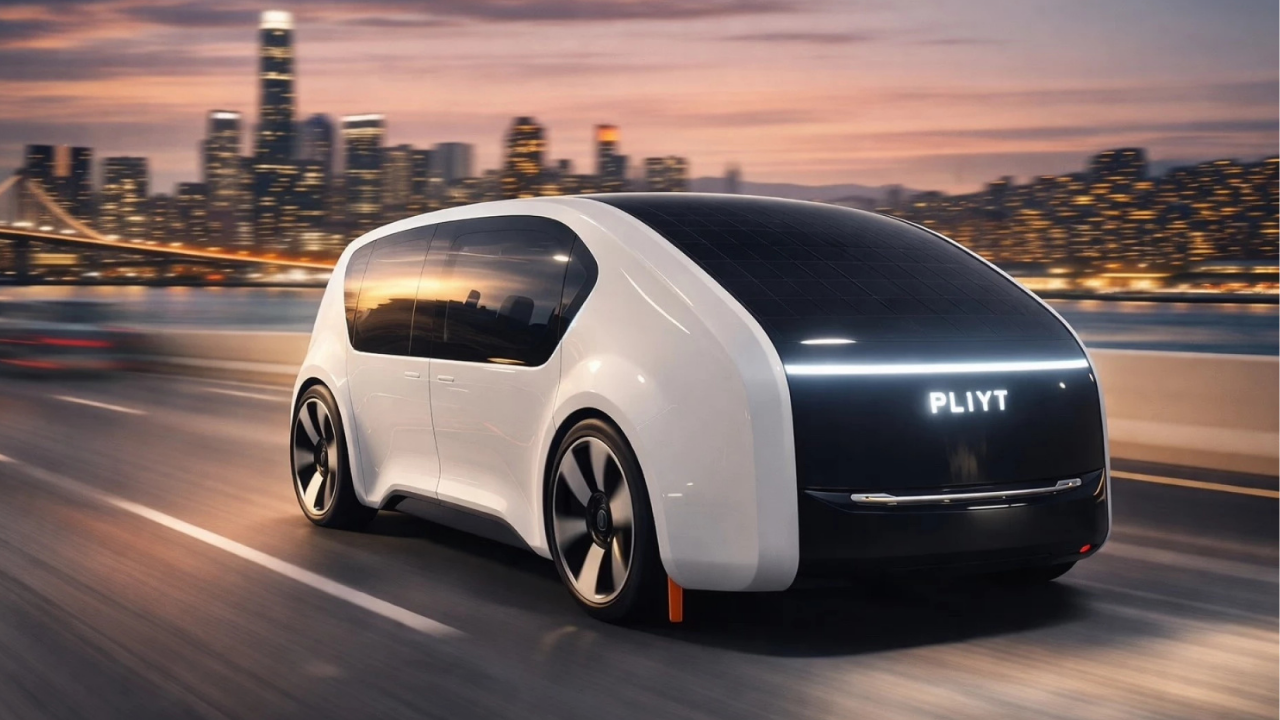
Image Credit: Pliyt.
If your idea of hell is other people, then the modern shared ride experience is the ninth circle. You all know how it goes - you call a ride with one of those app things, and moments later, a stranger in a Prius pulls up. You hop in, and you are trapped in a small metal box with a driver who wants to talk about the weather. Or his cousin's wedding. Or his many conspiracy theories. Or worse, you opt for a "pool" ride to save a few bucks, and you end up squeezed between a sweaty gym-goer and someone eating a tuna sandwich. It can be awkward, and it is intimate in all the wrong ways.
I have always argued that the future of shared transport shouldn't just be about batteries and sensors; it should be about leaving people alone in their personal bubble. And it seems, finally, someone in California has listened. At CES 2026, amidst the usual sea of vaporware and gadgets no one asked for, a startup called Pliyt (pronounced "Plight," I assume, fittingly for an introvert's struggle) revealed a concept that actually makes sense. Their pitch is simple: "Shared transport for introverts."
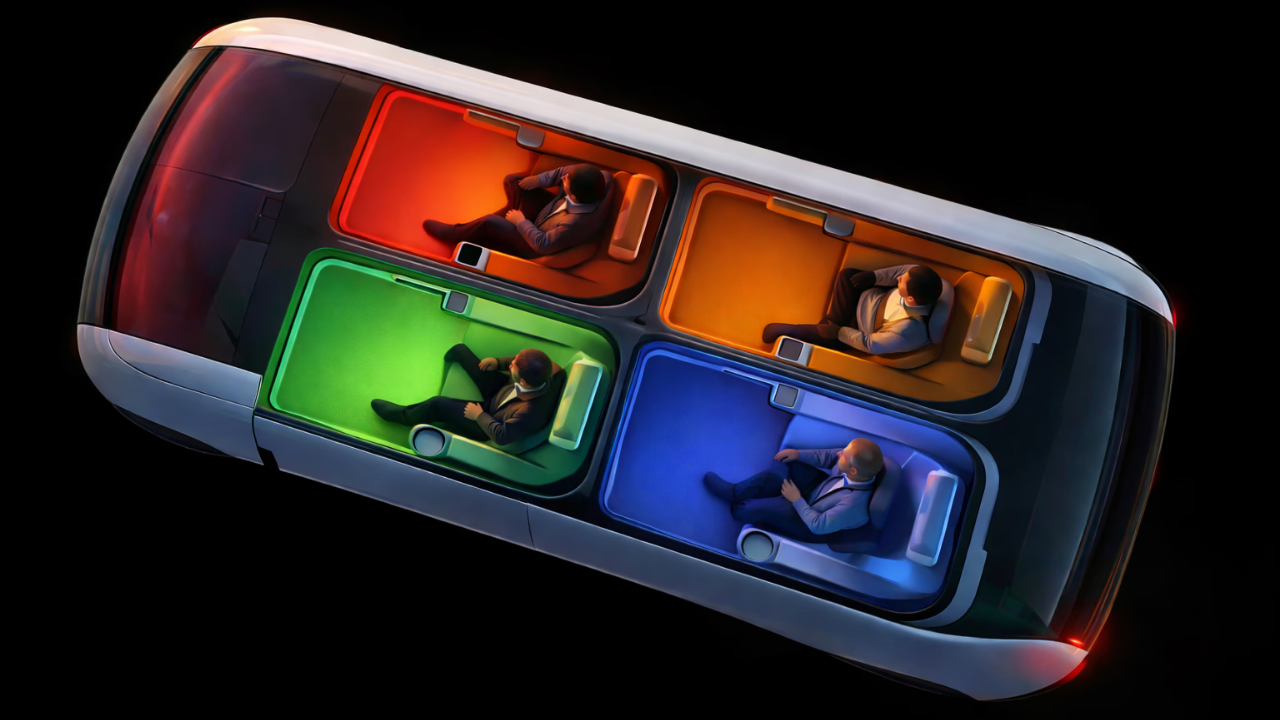
Image Credit: Pliyt.
It is a beautiful sentence. It rolls off the tongue like a fine single malt. Pliyt believes that the future of ridesharing isn't about cramming as many sardines into the tin as possible. It is about sharing the journey without sharing the space. Unlike Amazon's Zoox or Waymo's offerings - which are essentially toaster ovens on wheels where you still have to look at other humans - Pliyt has designed a vehicle that is cut into four completely independent pods.
The brilliance of this design is that it is built from the inside out. It's not like they took a minivan and put up some plywood dividers - the entire chassis is modular. Each of the four capsules is a private sanctuary. You have your own door, your own seat, and crucially, your own atmosphere. So you can enjoy that tuna-garlic mashup without causing a medical emergency.

Image Credit: Pliyt.
The team at Pliyt claims, with straight faces, that this design prioritizes "modular privacy." A quick internet search for translation returns the following: "You never have to make eye contact with a stranger again." And for that, I believe many people would happily give them a Nobel Peace Prize.
To ensure you are truly cut off from the humdrum of the outside world, each pod is equipped with one-way glass. This is the stuff of interrogation rooms and high-end limousines. You can see the world go by - the traffic, the rain, the miserable people waiting for the bus - but they cannot see you. You are invisible. A ghost in the machine.
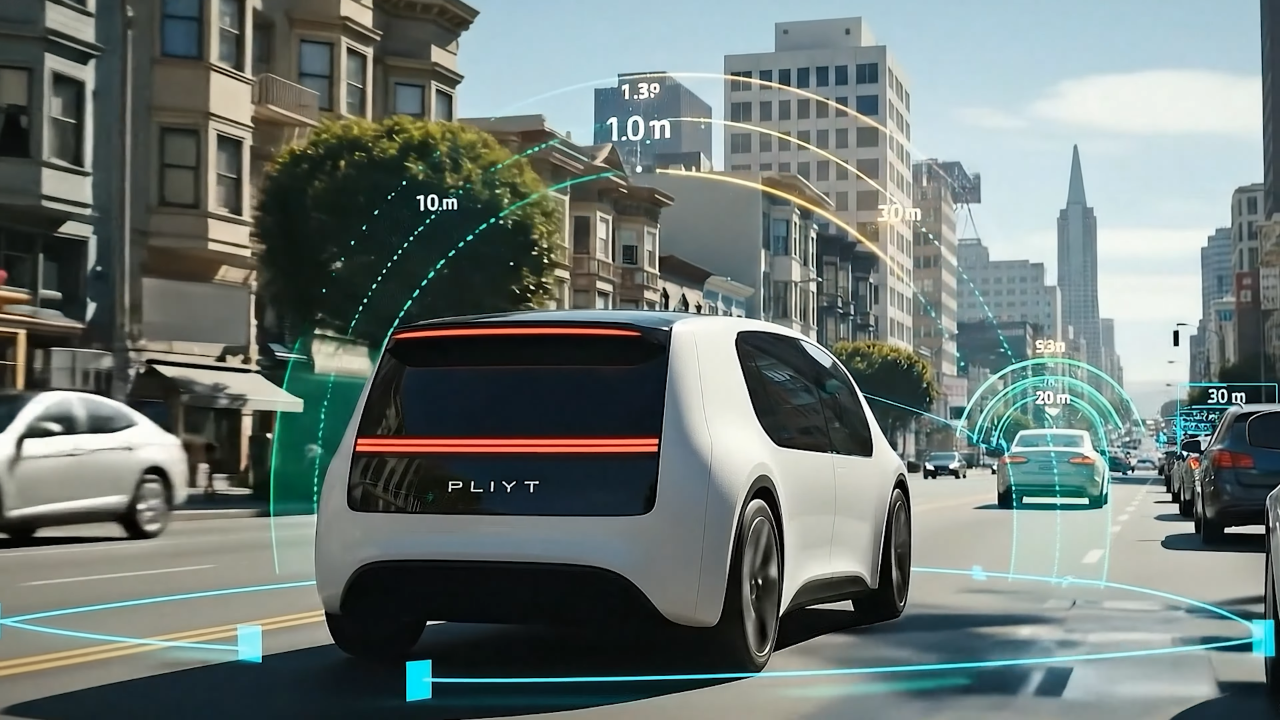
Image Credit: Pliyt.
But because this is 2026 and we cannot just sit quietly with our thoughts (that would be terrifying), the pods are stuffed with distractions. If you are not interested in staring out the window at the dystopian urban sprawl, you can engage with the "personalized entertainment system."
You can stare at the integrated screens for gaming and streaming. You can blast aliens or watch reruns of your favorite shows in complete privacy. For the poor souls who think a taxi ride is a good time to work, there is a retractable workstation with a large screen and a side table. It is a little mobile office, perfect for finishing that spreadsheet you ignored all week.
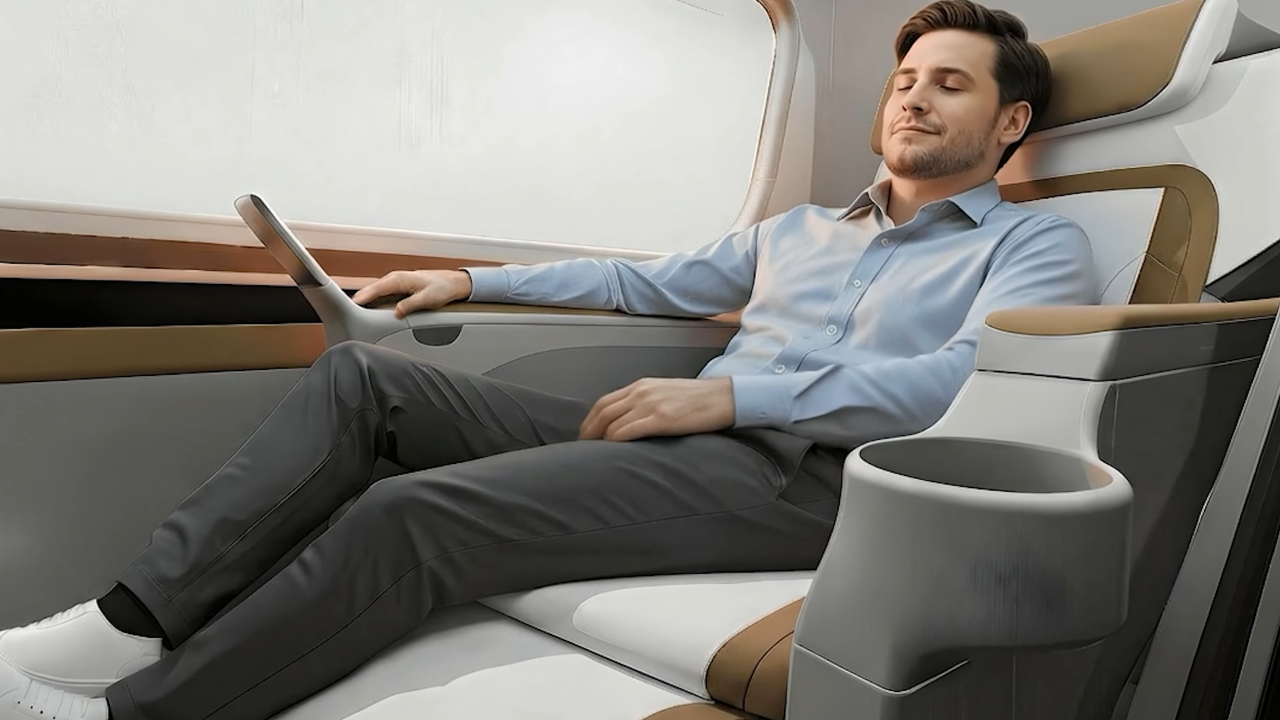
Image Credit: Pliyt.
The seating deserves its own article. Pliyt calls it "zero-gravity seating technology," and I immediately picture myself floating around the cabin like Major Tom, spilling coffee in slow motion. Sadly, gravity is still very much in effect. The term refers to the posture the seat puts you in - supposedly the neutral body position that reduces stress on your spine. Does it work? I suspect it feels like a very expensive dentist's chair, but one where no one asks you about your flossing habits.
Interestingly, Pliyt says the whole system isn't completely antisocial. There is an "interior dividing window" between the pods. If you are traveling with a friend - or if you have momentarily lost your mind and decided you want to speak to the person next to you - you can lower this partition. You can share the space. It gives you "social choice."
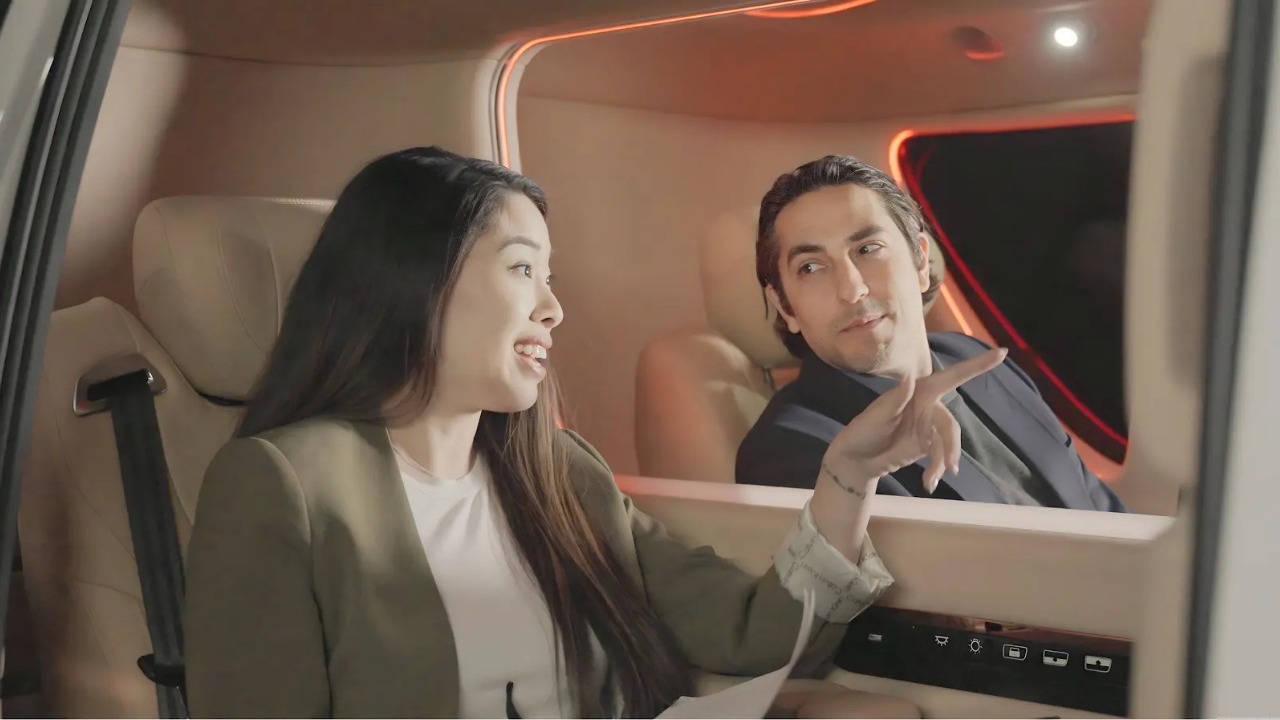
Image Credit: Pliyt.
I probably would weld that window shut. But I suppose it is nice to have the option, in the same way it is nice to know my car has an airbag I hope never to see. But, as a journalist who has spent decades kicking tires and looking under hoods, I still have a few questions. Specifically: How does it work? Usually, when a manufacturer reveals a new car, they bombard us with numbers. Dimensions. Horsepower. Torque. Battery capacity in kilowatt-hours. The price tag. The 0 to 60 time.
Pliyt has provided exactly none of these. I searched high and low for a spec sheet. I asked the email bot. I looked for a brochure. Nothing. We don't know the battery range. We don't know the motor output. To make things even less transparent, Pliyt admits they don't actually have an autonomous driving system yet. They are "seeking partners" to provide the brains of the operation. Essentially, they have designed a very nice living room and are now looking for someone to build a house around it.
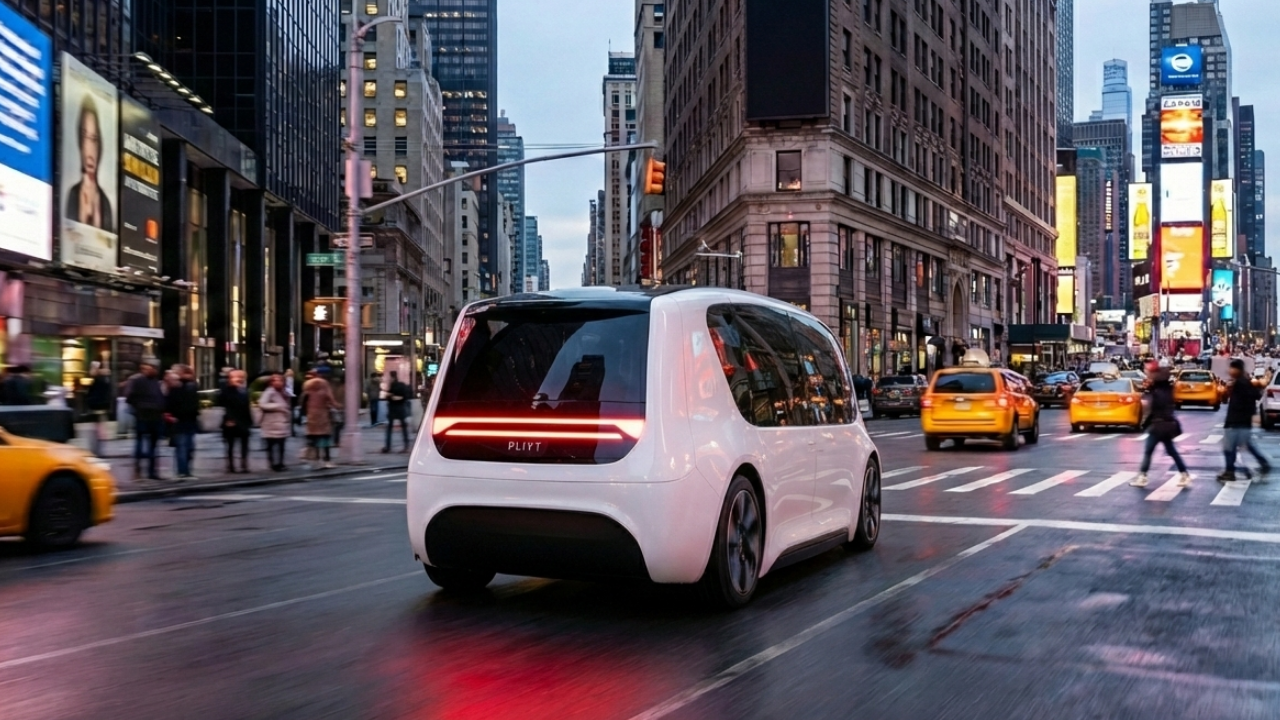
Image Credit: Captain Electro.
You can see where this is going next… I gotta ask: Is this vaporware? Is it just a pretty idea designed to separate venture capitalists from their cash? Maybe. The company says they are looking for investors (shocking, I know) to help develop a pilot vehicle by 2028. They are currently in the "engineering validation" phase, which means they are trying to figure out how to make the doors close properly.
What about the claim that 2028 is a "realistic timeline" for a pilot? In the world of autonomous tech, where "full self-driving" has been "a year away" for the last decade, 2028 might as well be the year 3000. And yet, despite the obvious lack of a powertrain or a brain, I find myself rooting for Pliyt. Why? Because they have identified a fundamental truth about the human condition. We are social animals, yes, but we are also easily annoyed animals.
We want to move around our cities efficiently, but we don't want to do it while smelling a stranger's lunch. We want the convenience of a taxi without the social obligation of a conversation. Pliyt's taxi is the first car designed not for the driver, not even for the passenger - it is a vehicle for the mood of the passenger. And for that, I'm willing to wait until 2028.
Enjoyed the article? Give us a LIKE and FOLLOW Captain Electro! We're tracking the electric future... even if it's still buffering.
