
Image Credit: RTX.
Most of the time, I'm the first person to point and laugh at a hybrid car. They're the ham and jam sandwich of the auto industry - confused, soggy, and quite a bit of a disappointment to everyone involved. I've always said that if you want to go electric, go full lightning bolt. Don't half-bake it with a tiny petrol engine that sounds like a lawnmower in distress. But then, I looked up.
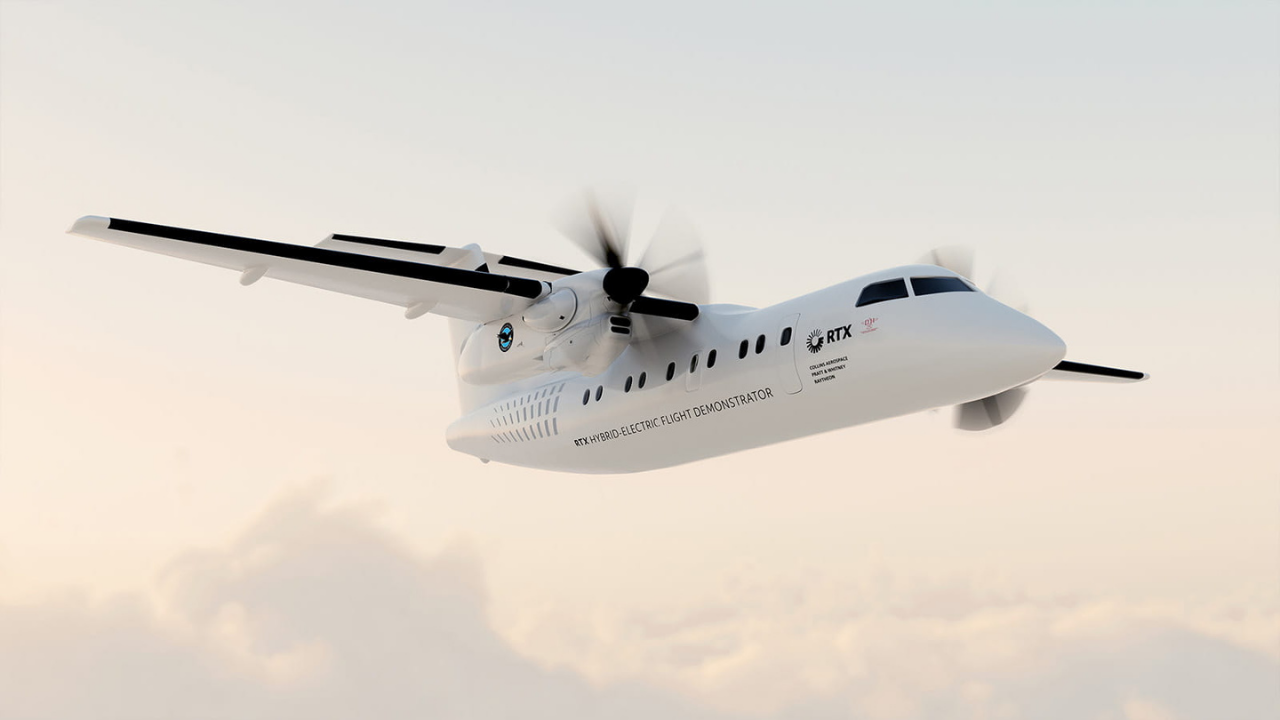
Hybrids on our roads are a snooze, OK? But hybrids in the clouds are actually quite brilliant. The crew from RTX (specifically Pratt & Whitney Canada and Collins Aerospace) has been tinkering with a regional turboprop. They've realized that shoving enough batteries into a plane to fly across the Atlantic would make the aircraft so heavy it would have the aerodynamic grace of a lead pub fridge.
The problem is "energy density" - batteries are heavy and fuel is light. An electric battery is about 20 times heavier than the same amount of energy in a fuel tank. Worse still, as a normal plane flies, it burns fuel and gets lighter, which helps it with the range. A battery-powered plane stays just as fat at landing as it was at takeoff. Imagine carrying your luggage, the overhead bin, and the duty-free trolley on your back for the entire trip. Yeah… that's a bit of a problem right there.
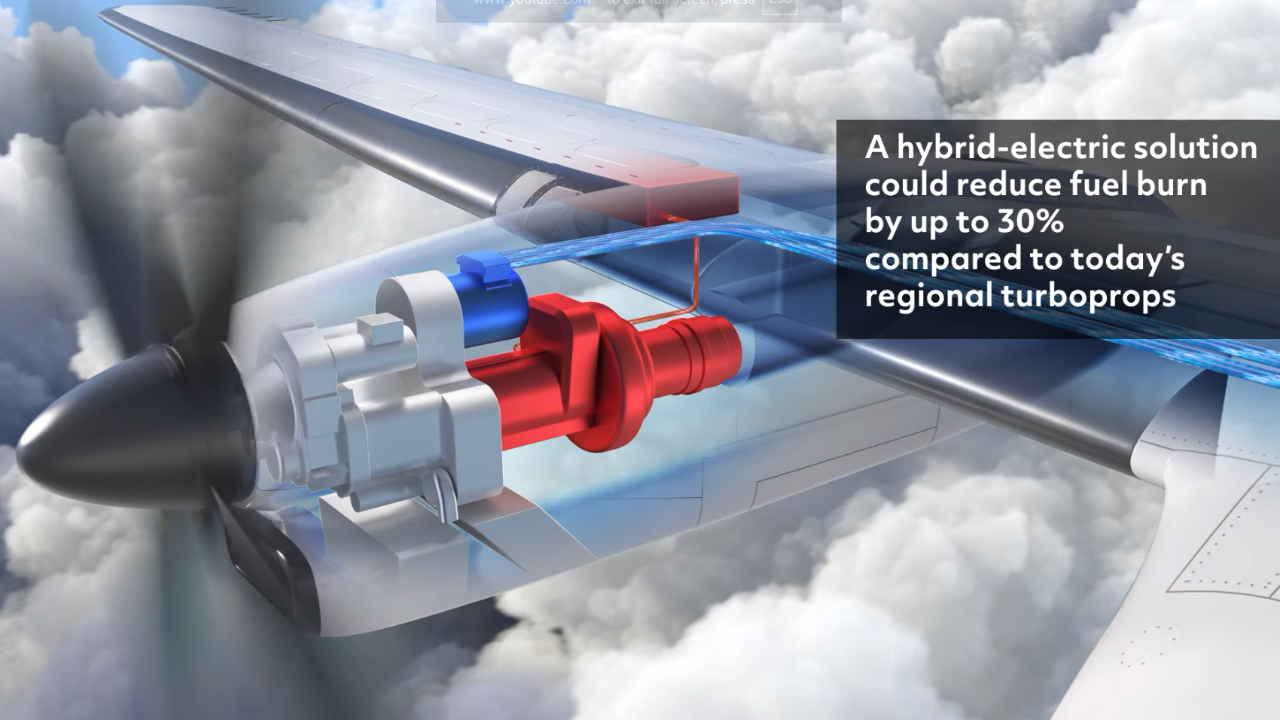
Image Credit: RTX.
So, RTX decided to stop trying to make a giant flying Tesla and instead built a "thermal-electric" tag team. They took a PW127XT engine - which puts out about 1,340 horsepower - and paired it with a 1,340 horsepower electric motor. They hooked them both to a special gearbox so they can drive the propeller together. At the touch of a button, the pilot gets a massive 2,680 horsepower. My guess is that's enough poke to make your eyeballs migrate to the back of your skull.
But unlike your neighbor's Prius, where the engine charges the battery to move the wheels, this system is a proper partnership. The electric motor does the heavy lifting during takeoff and climbing - the bits where engines usually scream in agony. Once you're cruising, the engine settles into a nice, relaxed hum. It's a giant electric Sherpa carrying your bags up the mountain so you can enjoy the stroll to the top.
The stats are actually quite impressive, even for a skeptic like me. RTX is using a 200-kWh battery system from H55. During the descent, the motor turns into a generator and tops up the batteries. It's essentially "free" energy, which appeals to my soul more than a half-price mushroom burger. They're aiming for a 30% reduction in fuel consumption and 20% lower maintenance costs. A ham sandwich costs twenty bucks in the aero world as you well know, making those savings astronomical.
Image Credit: RTX.
But here is the absolute "chef's kiss" of the whole project: you don't need to buy a shiny new, trillion-dollar airplane to use it. RTX can retrofit this system into existing regional planes - they're already testing it on a De Havilland Canada Dash 8-100. This means airlines no longer have to bin their current fleet. They simply swap the oily bits for the clever electrified bits at the first scheduled engine refit.
Testing hit a massive milestone on March 3, 2026, in Quebec, where RTX ran the whole setup at full chat in a test cell. Later this year, they're taking the show to Moses Lake, Washington, for actual flight tests. The engineers even say the engine can run on 100% Sustainable Aviation Fuel - that's chips-and-gravy oil refined into something that doesn't smell like a Sunday roast.
Is it a "half-step"? Maybe it is. But we can't yet fly 50 people 500 miles on AA batteries, and honestly? This hybrid setup is a stroke of genius. Faster, greener, cheaper - three words that will feel like an answered prayer to any air fleet manager. It's the very first time I've looked at a hybrid and thought, "Aye, that'll do."
Enjoyed the article? Give us a 'LIKE' and FOLLOW us on MSN! We're tracking the electric future... even if it's still buffering.
