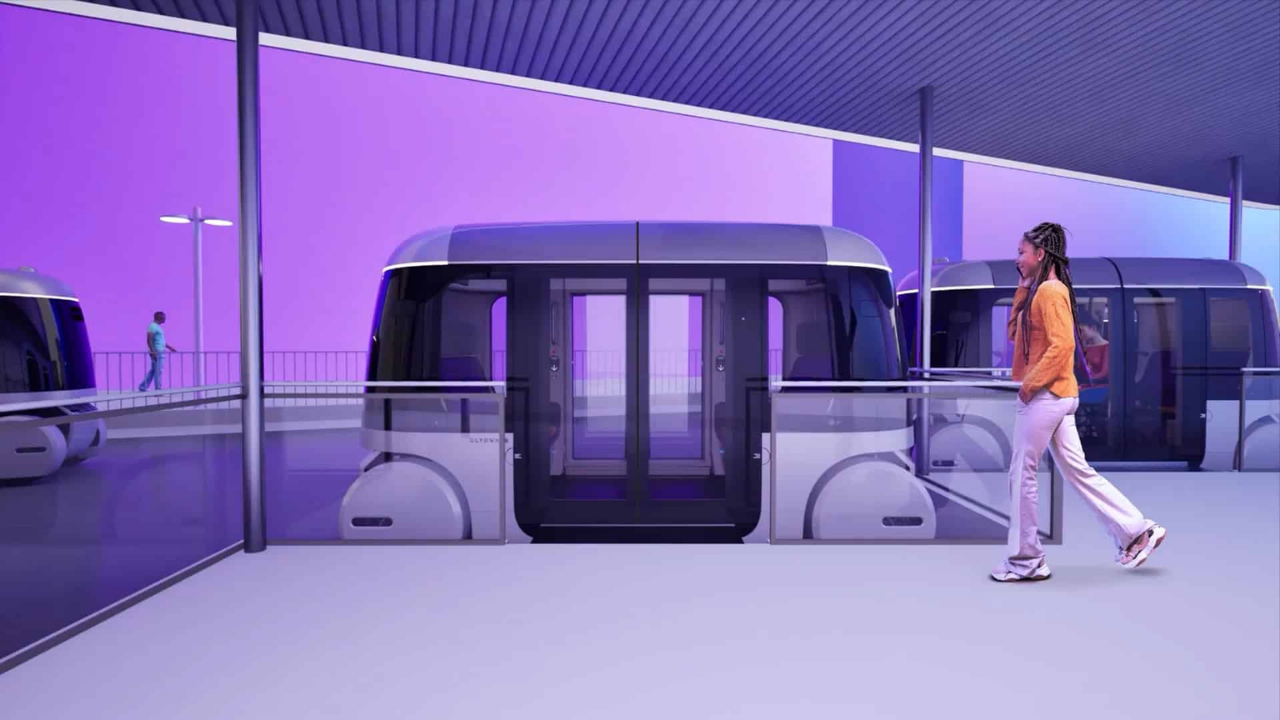
Image Credit: Glydways.
I bet you've spent a decent chunk of your life stuck in traffic - I know I have. And usually in a car that's either too loud or too expensive. Or - on fire… But the clever people of Atlanta have decided they've had enough of the "Parkway" actually being a parking lot and they are not building anymore lanes for SUVs. No, they've broken ground on something far more... sci-fi. Imagine a horizontal elevator that doesn't smell like old gym socks, and you're halfway there. It's called Glydways, and if it works, it might be the best thing to happen to Georgia since they figured out how to put peaches in everything.
The concept is brilliantly simple, yet complex enough to make me suspicious. Instead of a massive, lumbering train that costs more than Georgia's GDP and stops every five minutes to let a confused tourist off, we're getting tiny, autonomous electric pods. These little "Glydcars" carry between one and four people and run on a dedicated "guideway" that's only 6.6 feet wide - basically the width of a bicycle path. It's "net-new capacity," which is an entirely new phrase that means they aren't fighting with Aunt Brenda's minivan for space on the road.
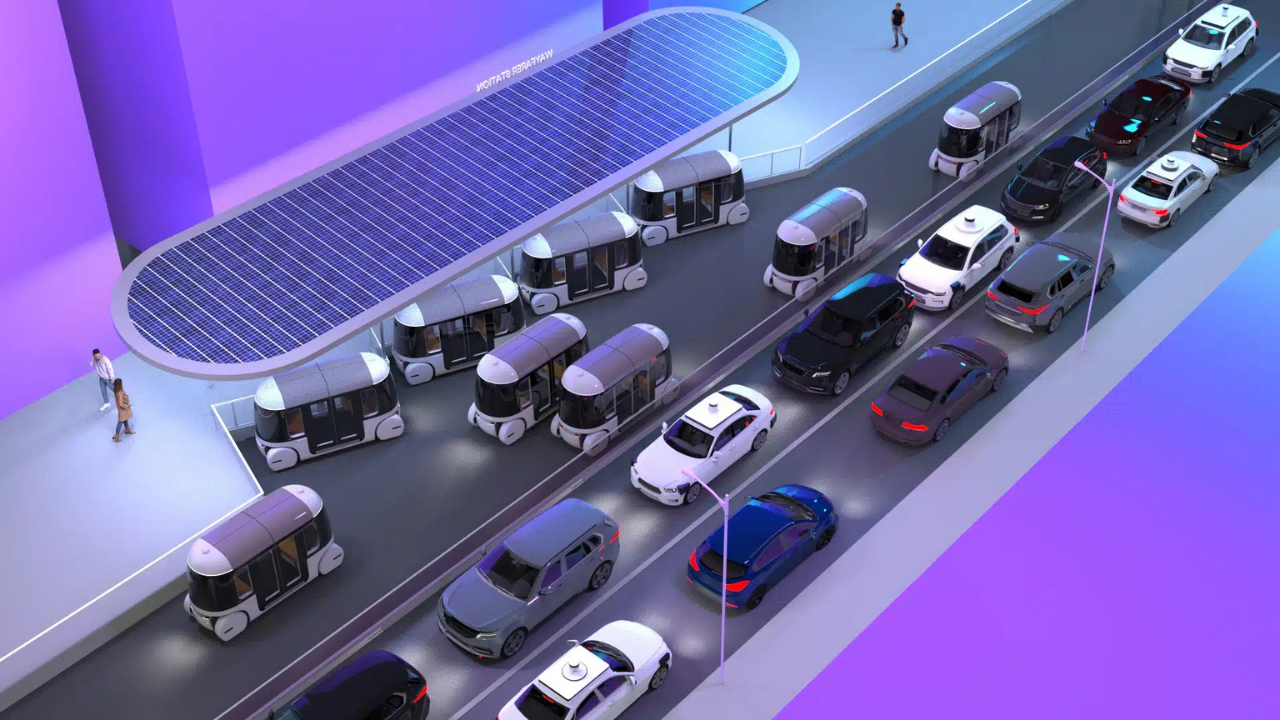
Image Credit: Glydways.
The pods are powered by a 45-kilowatt-hour battery - tiny by modern EV standards - but they don't need much juice when they aren't hauling three tons of steel and leather. They top out at 31 miles per hour, which sounds slow until you realize the average speed of traffic in Atlanta is "stationary." The pilot track is a humble 0.5-mile loop connecting the ATL SkyTrain at the Georgia International Convention Center to the Gateway Center Arena. It's a short hop, sure, but it's the proof in the pudding.
The company, Glydways, claims this system can move 10,000 people per hour. Aye, right! That's the same throughput as a massive light rail system, but for a fraction of the price. We're talking about $20 million per mile to build, compared to the eye-watering $2 billion per mile some cities blow on traditional rail. Atlanta has figured out how to buy a perfectly good steak for the price of a bowl of cereal. If the math holds up - and that's a giant "if" - it could revolutionize how we move around without bankrupting the local treasury.
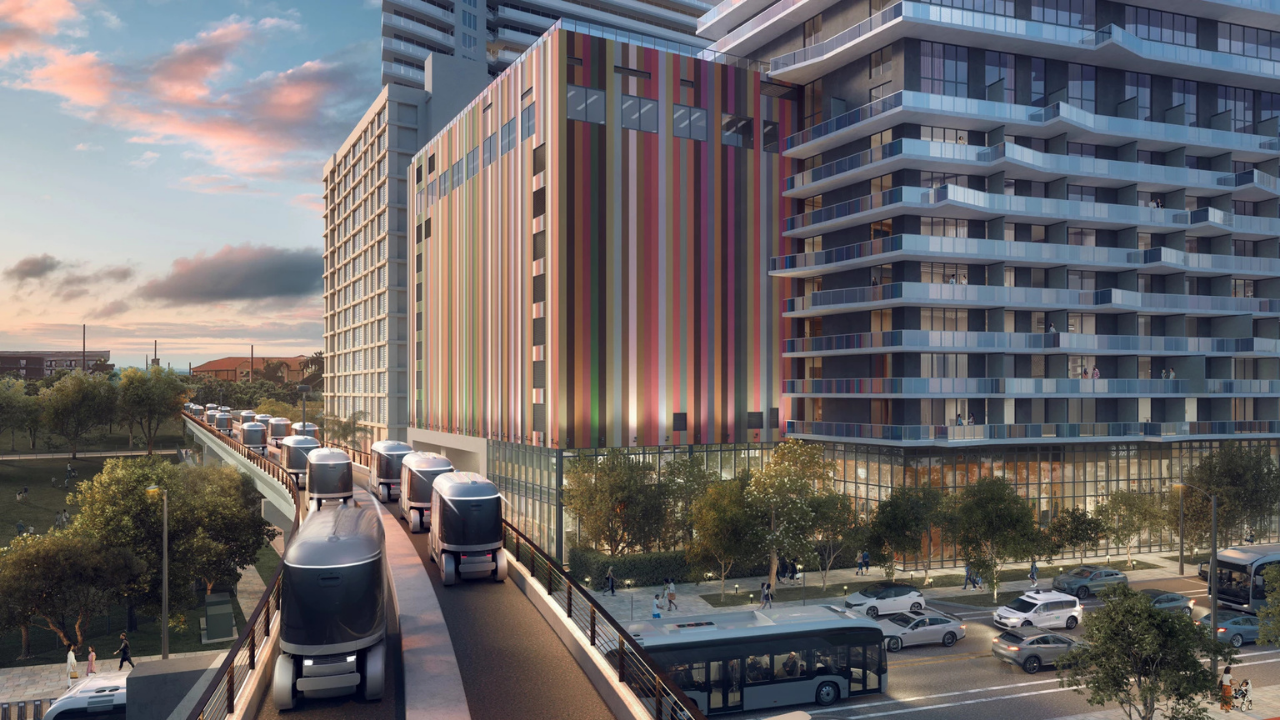
Image Credit: Glydways.
But what really tickles my curiosity is the "on-demand" bit. You don't wait for a schedule that was written by a man who hates his job. You use an app, a pod shows up, and it takes you from Point A to Point B with zero intermediate stops. No more sitting through fifteen stops you don't care about with someone next to you chompin' on a tuna sandwich. It's private, quiet, and it's automated by an AI that presumably has better things to do than browse TikTok.
The pilot is set to launch in December 2026, and it's going to be free during the test phase. Even after that, they're promising fares as cheap as a bus ticket. The company's co-CEO, Mark Seeger, reckons they can run this at a profit without government subsidies because there are no drivers to pay and minimal maintenance. It sounds a bit like a "Monorail" pitch from The Simpsons, I know, but they've already got Dubai and Abu Dhabi signing on the dotted line. If the Emiratis are buying in, there's usually some meat on the bone.
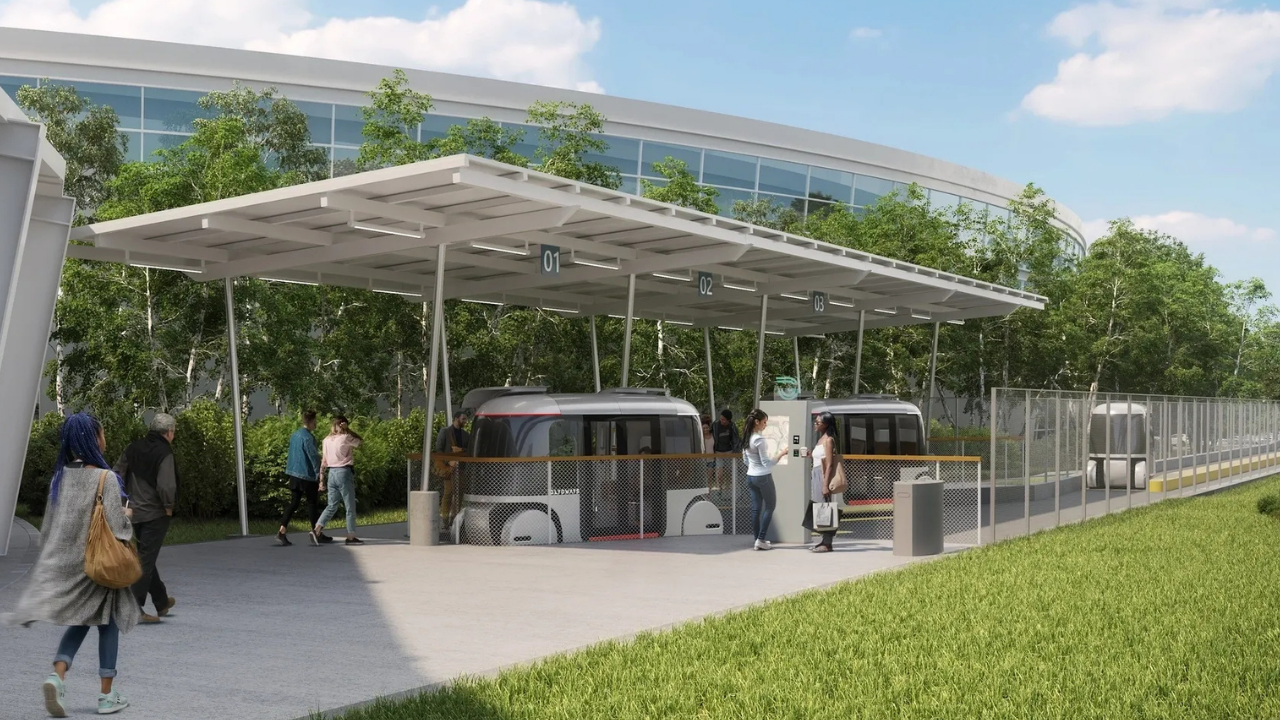
Image Credit: Glydways.
Technologically, it's actually quite sensible. The pods use 20 high-resolution LiDAR sensors, radar, and HD cameras to make sure they don't bump into each other. Since they're on a dedicated track, they can run in "tight platoons," following each other like a line of very organized ducklings. There's no rogue delivery driver or stray dog to worry about. It's a controlled environment, which is the only way autonomous tech actually makes sense right now.
I only have one question: Is this the future of transit or just a very expensive fairground ride for convention-goers? The Atlanta pilot will be the judge. If MARTA (the local transit authority) likes what it sees, this 0.5-mile strip could turn into a massive mesh network across the city. Personally, I'm all for it. Anything that keeps me from having to drive through a metro area is a win in my book. Let's just hope the AI doesn't start arguing about the shortest route.
Enjoyed the article? Give us a 'LIKE' and FOLLOW us on MSN! We're tracking the electric future... even if it's still buffering.
