Image Credit: Captain Electro.
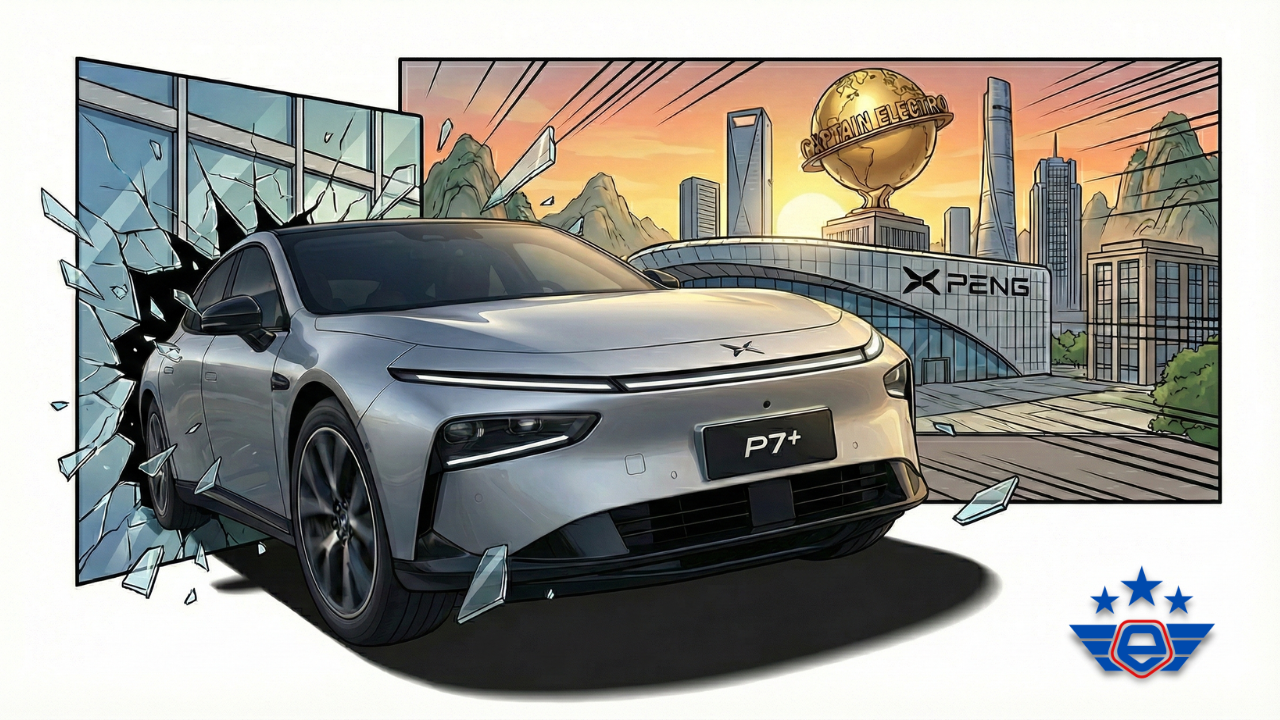
They say the future is electric. I say the future is rather too quiet. When the nice people at XPeng offered me a turn in their new P7+ - a big, swoopy electric sedan from China - I admit I approached it with my usual sense of cautious enthusiasm. For those of you who know me, it means I was already composing the sarcastic headlines in my head. Another day, another battery-powered brick promising to change the world. Still, this one, at least, is ambitious enough to try and take a bite out of the big one - the Californian company whose name we won't utter, but rhymes with 'Mesla.'
There is a lot to unpack about the P7+. XPeng says it was designed specifically with families in mind, and I could see that - it has buckets of room, a huge trunk, clever solutions for problems I didn't even know existed. But the thing that strikes me most, even now, a couple of weeks after I spent some time with it, is the quality. Now I understand why BMW, Mercedes, and Cadillac are so worried about Chinese EVs…

Image Credit: Captain Electro.
Here's where the P7+ gets properly interesting, and slightly cheeky. XPeng used to rely on expensive laser-sensors - LIDAR, for the acronym-minded among us - to help its cars drive themselves. But with the P7+, they've tossed the LIDAR in the bin. Instead, they've gone all-in on a vision-based AI system, much like their main, unmentionable rival. It's all down to a network of twelve external cameras, a dozen ultrasonic sensors, and three radar units, all feeding into a pair of Nvidia Orin X chips boasting a colossal 508 TOPS of computing power.
The logic is perfectly sound here: since roads and signs are designed for human eyes, cameras are the most natural way for a computer to see the world. It's an elegant idea, but I'm worried it's a recipe for watching your car argue with a misplaced traffic cone, or worse. The good news is, XPeng's assisted driving system is standard, no matter which version of P7+ you go for. No paying extra to have the computer drive like a professional chauffeur, a refreshing change from certain other manufacturers. This technology is still China-only for now, but they're aiming to bring it to the rest of the world by late 2025 or early 2026.
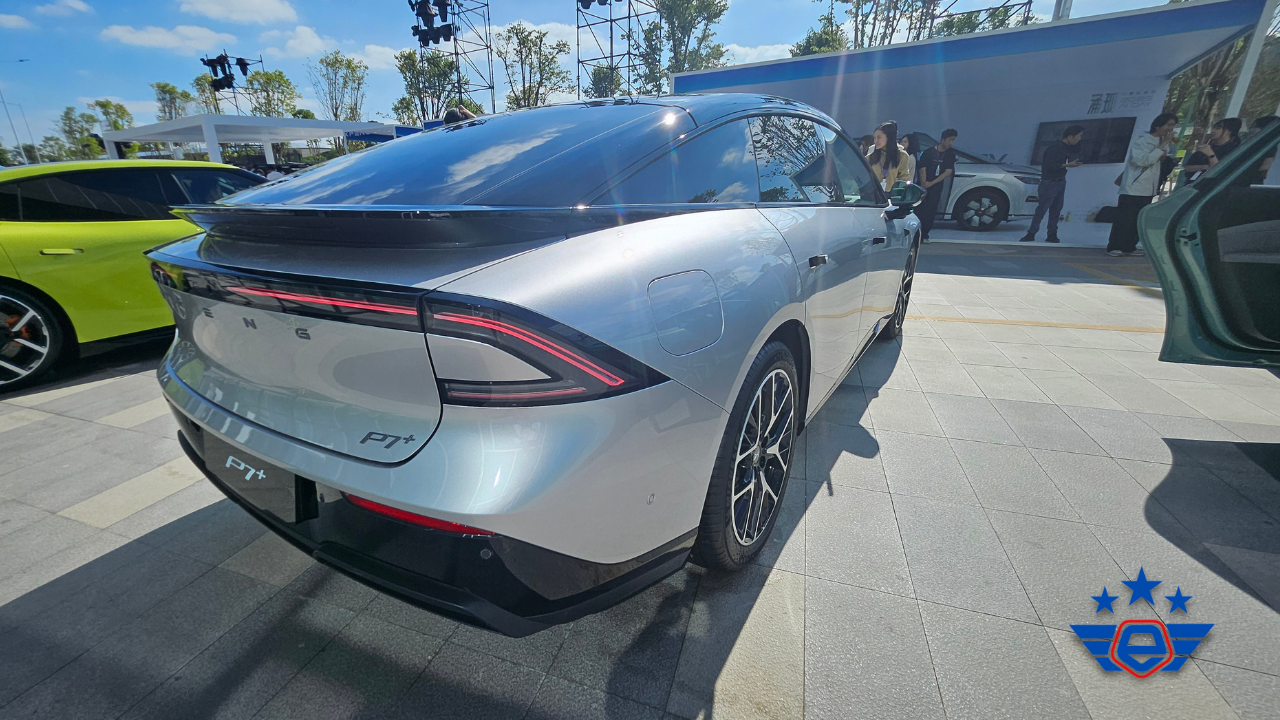
Image Credit: Captain Electro.
Under the floor, it's all very much the modern EV cookbook, but with a few extra spices. The 800-volt electrical architecture means you can charge this thing faster than your kids can empty the refrigerator. The early cars had a decent 3C charging rate, but the latest P7+ models use a 5C battery pack. What does that translate to in actual, useful terms? XPeng claims a 10% to 80% charge in a barely-enough-time-to-grab-a-bad-cup-of-coffee 12 minutes. That's genuinely impressive. To support this speed addiction, XPeng is rolling out its own 800-kW S5 fast chargers.
The car comes in two flavors, both using LFP battery packs and a single rear-mounted electric motor. The base model, the Long Range Max, gets a 60.7 kWh battery and a motor pushing 241 horsepower. It weighs in at a not-insubstantial 4,336 pounds and hits 60 mph from a standstill in 6.8 seconds. Not exactly neck-snapping, but perfectly swift for family duties, with efficiency quoted as 11.6 kWh/62 miles.
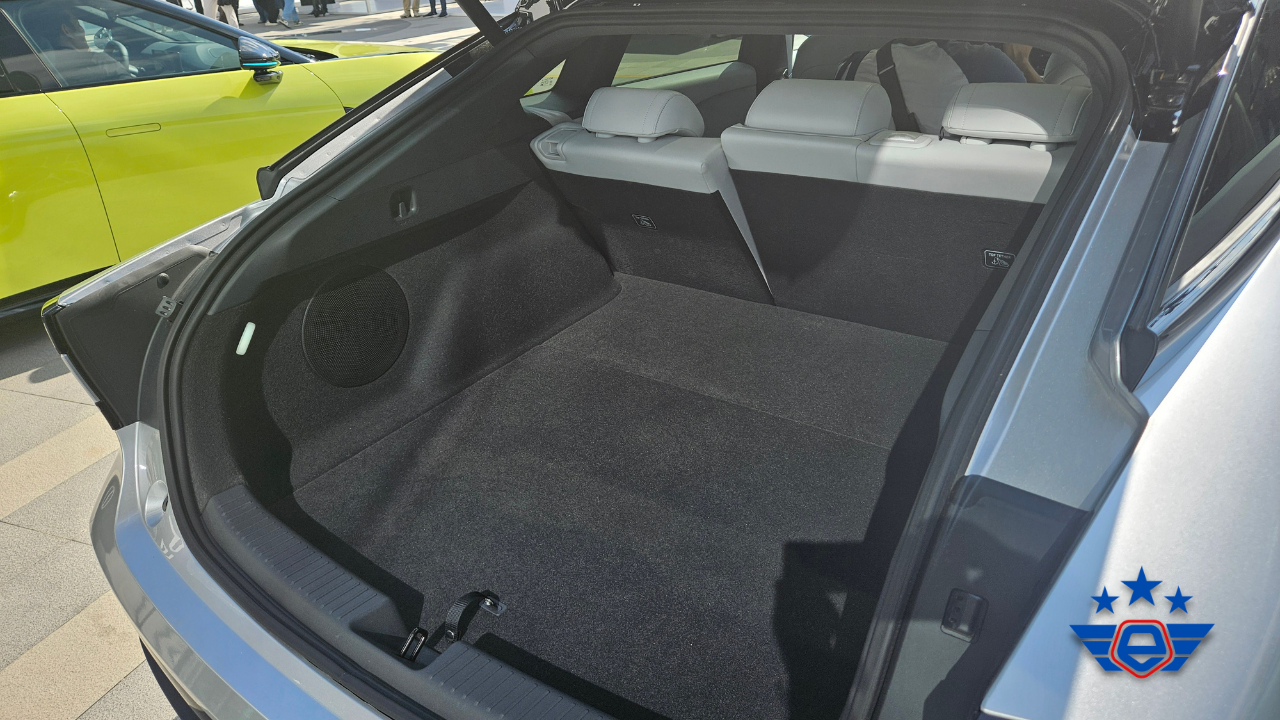
Image Credit: Captain Electro.
If you're the type who appreciates a slightly more vigorous shove, you'll want the top-spec Ultra-Long Range Max. This one bumps the battery up to 76.3 kWh and the power to a healthier 308 horsepower. That extra battery pushes the weight up to 4,491 pounds, but the added muscle shaves the 0 to 60 mph sprint down to 5.9 seconds.
More importantly, the range - on the slightly optimistic CLTC cycle - is 441 miles. That's a weekend road trip solved. As for the cargo question: you get 25.6 cubic feet of trunk space, which swells to 78.4 cubic feet with the seats down - enough to fit a 6-foot-11-inch double bed inside. Alas, they've missed an open goal: there is no front trunk, or "frunk" as the kids call it. A travesty for anyone wanting to keep their charging cables from mingling with the groceries.
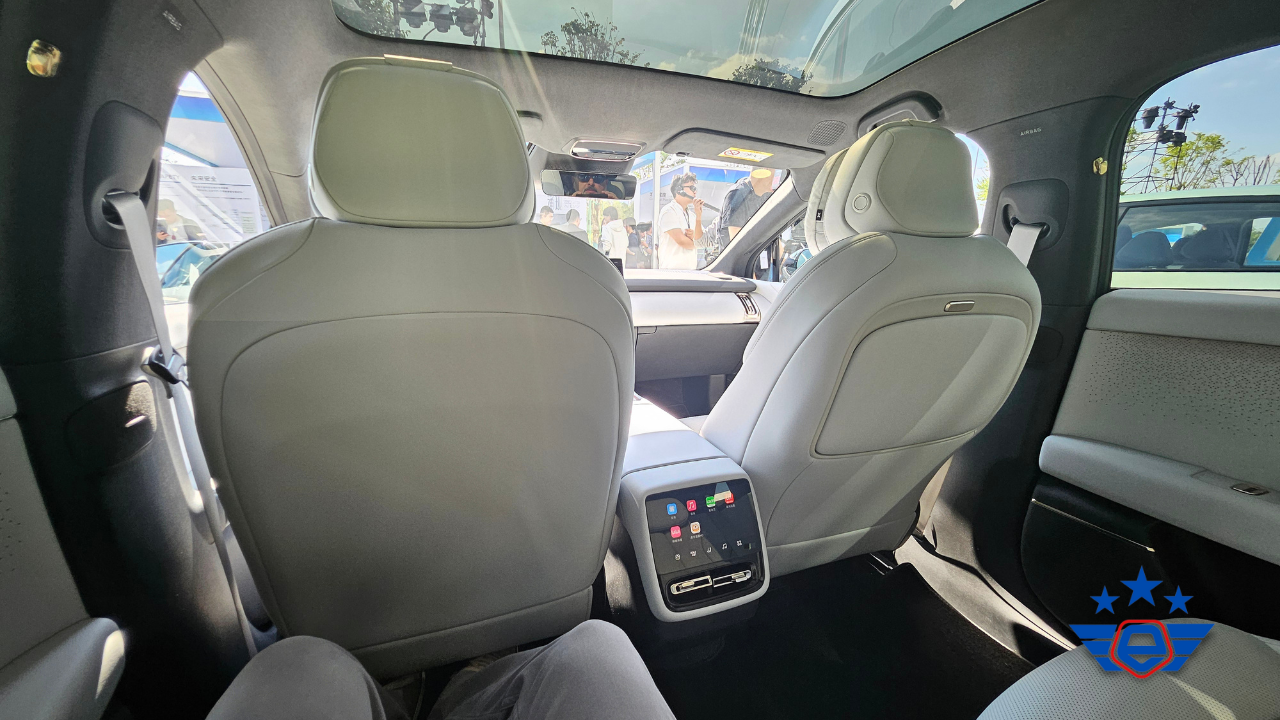
Image Credit: Captain Electro.
You expect Chinese cars to be all flashing screens and questionable plastics, don't you? So did I. That's why the P7+ interior hit me with the force of a gentle, well-tailored sigh. They've seriously leveled up the quality game here. Our test car, with a Chinese market price that translates to a very palatable $27,250, felt remarkably German. The kind of solid, reassuring quality that makes you wonder if they secretly kidnapped a few designers from Stuttgart.
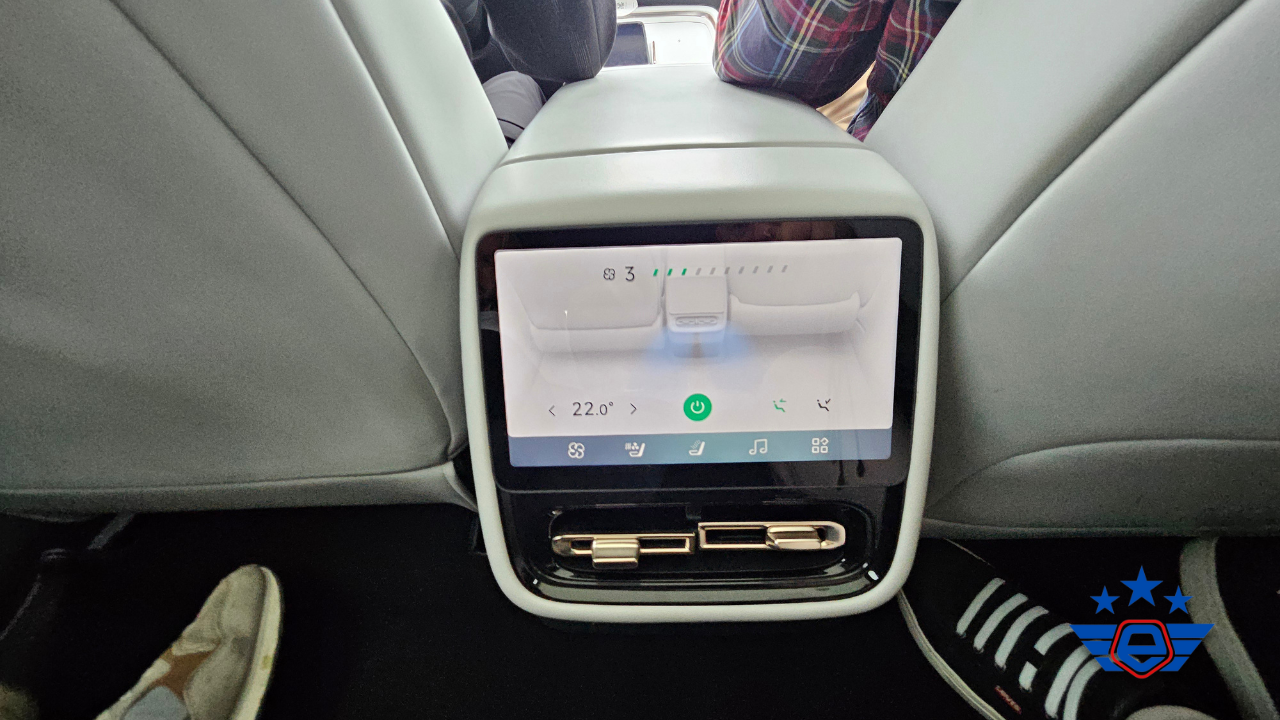
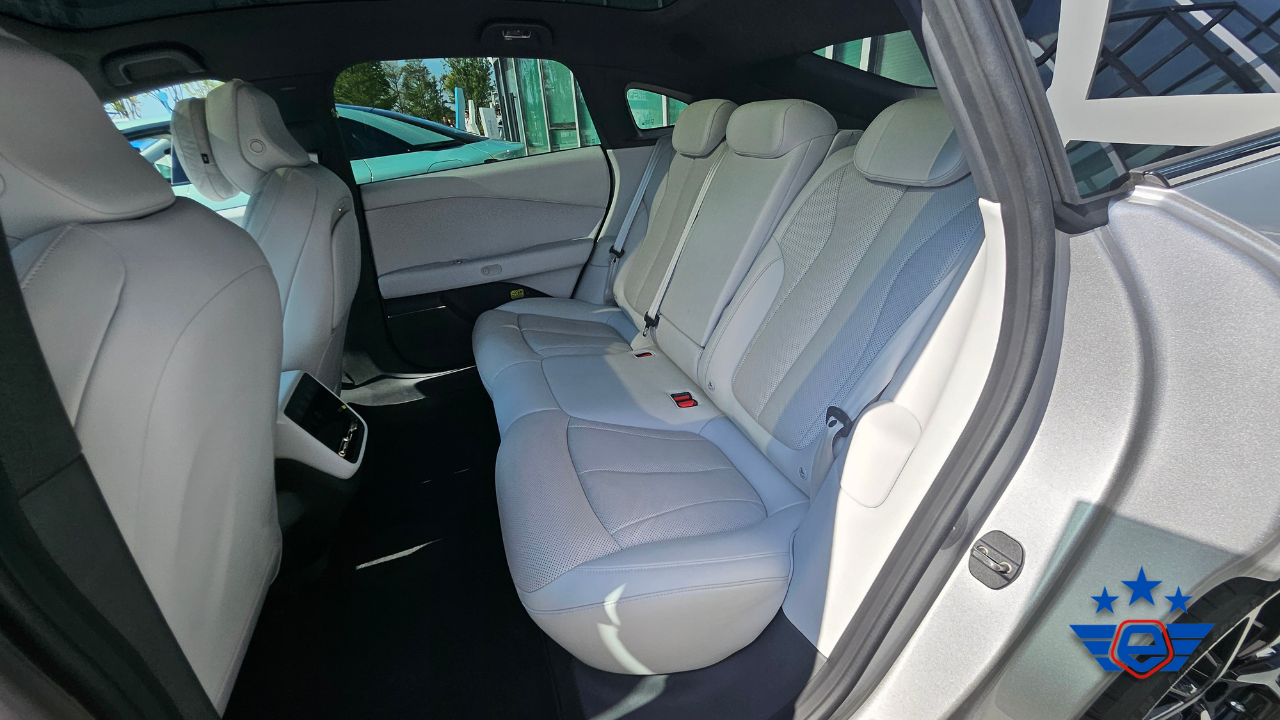
You sit in perforated leather seats surrounded by soft-touch materials, and everything is placed exactly where your brain expects it to be. Imagine that: intuitive controls in a modern car. It's practically a miracle. The size of this liftback - it's 16 feet, 7 inches long, 76.3 inches wide, and 59.5 inches high - means the back seat is absolutely enormous. The rear passengers are treated like royalty, with heating, ventilation, massage, and electric recline. I was thinking of asking my editor if I could take a nap in the back while my AI chauffeured me around…
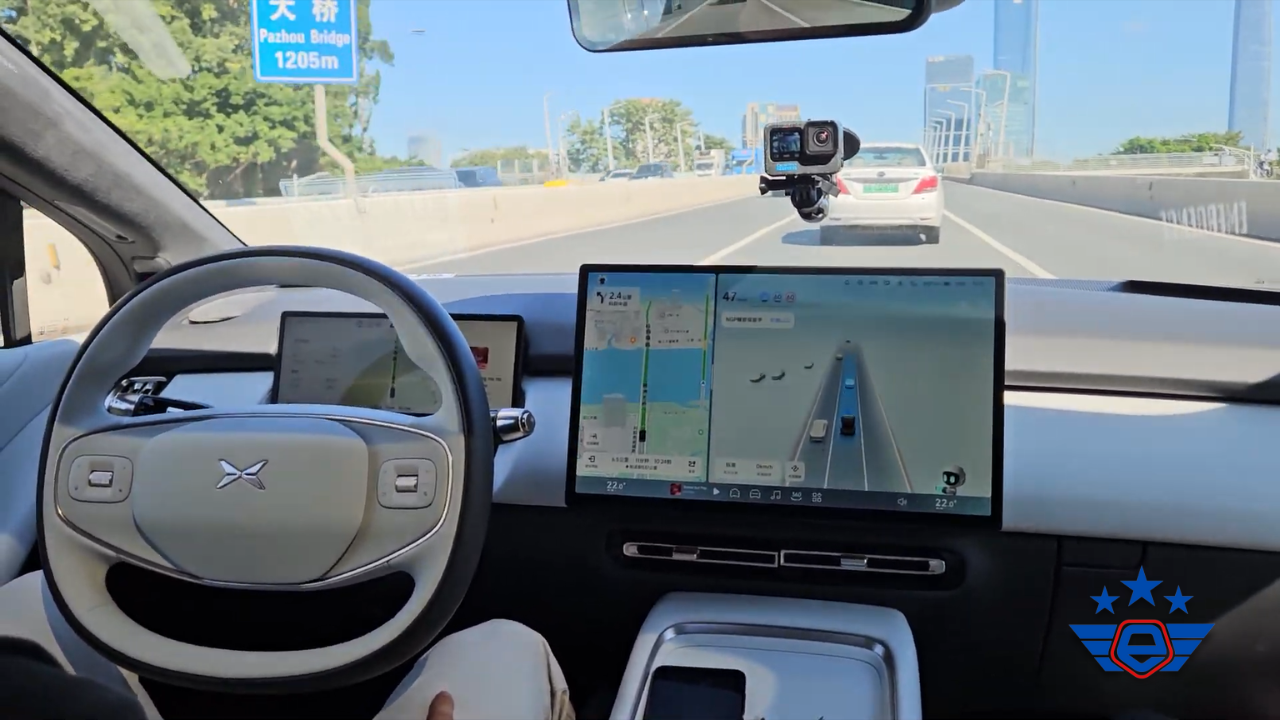
Image Credit: Captain Electro.
Of course, the technology is all there, otherwise, it wouldn't be an EV, would it? You get a 10.25-inch instrument cluster and a floating 15.6-inch infotainment screen, plus an extra 8-inch entertainment screen for the pampered second-row occupants. The car's "Little P" AI assistant handles practically everything via voice command. XPeng even refers to this as "the first car in the world defined by Artificial Intelligence."
And it truly is - every function is voice activated. The “Little P” knows which passenger is talking to it, you don’t need to give it specific instructions. Just say “lower my window” and it’ll open the window nearest to you. It can adjust the heat, open the trunk, call the Mrs, order noodles, switch the lights on in the house and put the washing on. Once it knows how to iron and walk the dog, we are doomed…

So, it looks good, it charges fast, and it treats you like minor royalty inside. But how does it drive? My immediate reaction was a slight disappointment that it didn't try to kill me. It's actually composed. The suspension leans towards comfort but manages to avoid the "sea-sick boat" feeling that plagued some earlier Chinese efforts. The overall vibe is one of surprising stability and solid engineering.
The 308-horsepower version is plenty fast, but the P7+ doesn't encourage hooliganism. It's rapid, smooth, and powerful, but never aggressive. It's set up to keep the junior passengers settled, even if the driver has a foot made of lead. You are never short of power, the acceleration is always smooth and progressive - the lasting impression is a silent confidence.
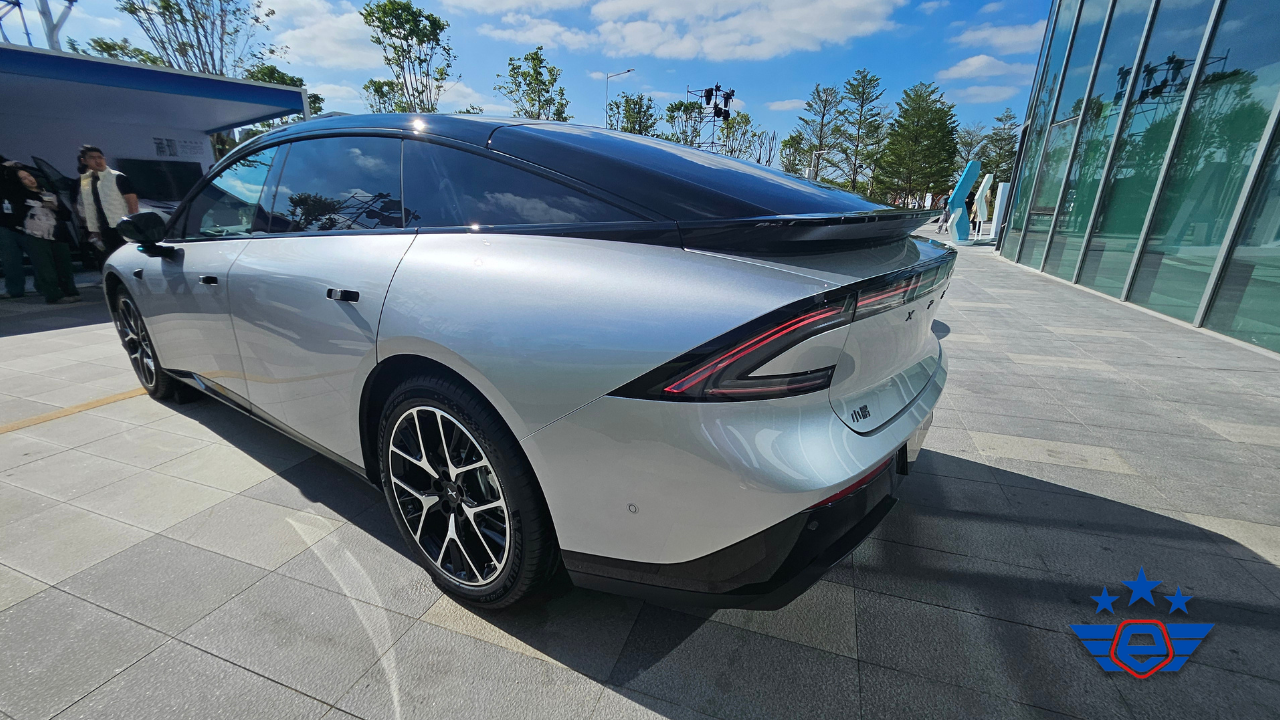
Image Credit: Captain Electro.
The most shocking thing about the driving experience, and I mean this quite literally, is the sheer silence. Even up to 75 mph on the highway, wind noise is basically non-existent. The tire noise is just a distant, friendly hum. It's so quiet that you genuinely have to keep checking your speedometer. It's a wonderful party trick, but I do worry that a total absence of racket is a step too far into automotive politeness. A little engine noise never hurt anyone, it just made the journey more dramatic.
It’s an interesting experience, driving a car this quiet. You close the door and the world just falls away. Your sense of hearing tricks you into thinking you are barely moving, and it sets you up for a shock when you glance at the speedo - guaranteed you’ll be going way over the speed limit. The P7+ forces you to pay more attention by being relaxed and quiet - that’s a very unusual but very reassuring quality.
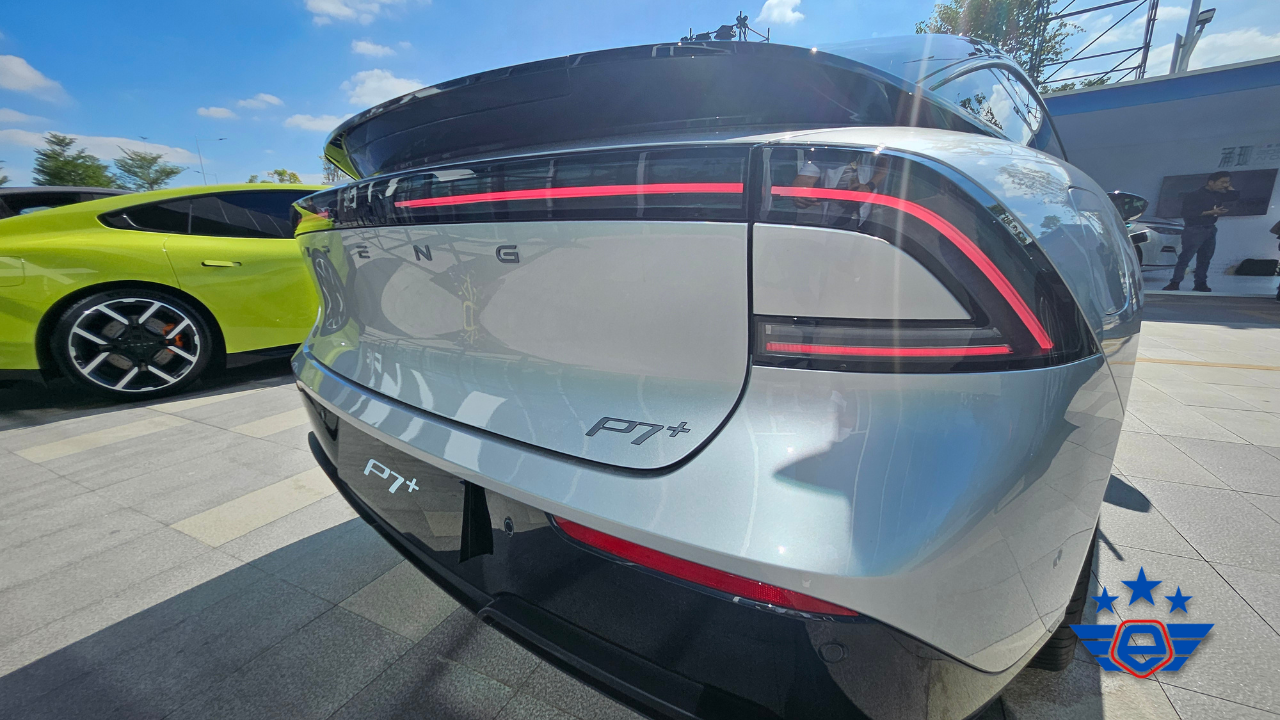
Image Credit: Captain Electro.
XPeng is taking this car seriously. It's been parading it across Europe, showing it off at places like the Frankfurt and Paris Auto Shows, basically giving the established players a knowing wink and a cheeky nod. XPeng even signed a manufacturing deal with Magna in Austria, which means they will build these things closer to the action, cleverly avoiding crippling tariffs.
It's fair to expect the European price to jump from the $57,700 starting point of the existing P7, likely heading toward the ballpark of $69,800. But if they magically manage to land the P7+ somewhere closer to the $50,000 mark, they are going to wipe the floor with the competition. This isn't just a challenger; it's a very large, quiet, high-tech, and comfortable alternative to the current EV establishment. I came in skeptical, I leave impressed.
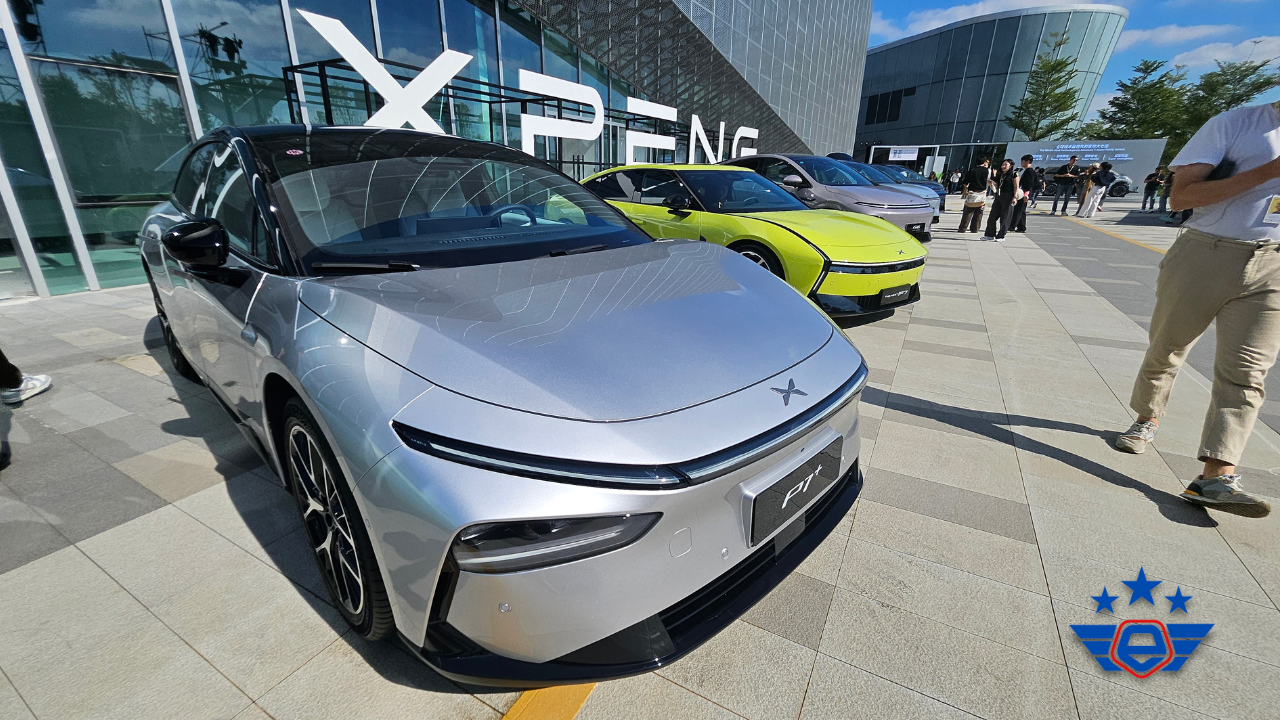
Image Credit: Captain Electro.
The US manufacturers can sleep soundly for now. XPeng has no plans to bring any of its EVs to our shores anytime soon. And that's very bad for us, the consumers. Because if you had a chance to try the P7+, you'd realize that we've been fooled. For many years, we've paid extra for "premium" quality vehicles, and we were told those were the pinnacle of automotive engineering. My advice? Don't go to China.
On the day I came back from China, on my way from the airport, I jumped into a brand-new Mercedes GLC Coupe and… I wished I didn't. I sat inside, looked at the dashboard, touched all the plastics and I inspected all the seats. If I had my eyes closed and didn’t know I was sitting inside of a Mercedes, I'd have thought it was something from a much affordable segment. XPeng destroyed my perception of "premium" - it gave me a reality check that I did not ask for. Now, I can't unsee it.
Enjoyed the article? Give us a 'LIKE' and FOLLOW us on MSN! We're tracking the electric future... even if it's still buffering.
