
Image Credit: Captain Electro.
Is this the end of dealership coffee? That was my first thought after reading about this new, wild idea from Europe. I’ve been writing about things that move under their own power for so long, I practically have oil running in my veins, now mixed up with electrons, since the world has gone electric. I’ve seen some brilliant ideas in my time, and many more that were unmitigated disasters. But what's cooking in the Netherlands right now might just be the one thing that gives every main dealer service manager in the world night sweats.
Enter the ARIA, a creation from the brilliant minds of students at the Eindhoven University of Technology. ARIA (which stands for 'Anyone Repairs It Anywhere') is a prototype that dares to ask: What if owning a car didn't require degree in dealership psychology or the bank balance of a small nation? It’s a modular, self-repairable electric vehicle that looks suspiciously like a car and yet is built like a high-tech washing machine - designed to be fixed, not thrown away. I’m skeptical, of course, because this flies in the face of everything the car industry holds dear. But the idea? It's simply wonderful.
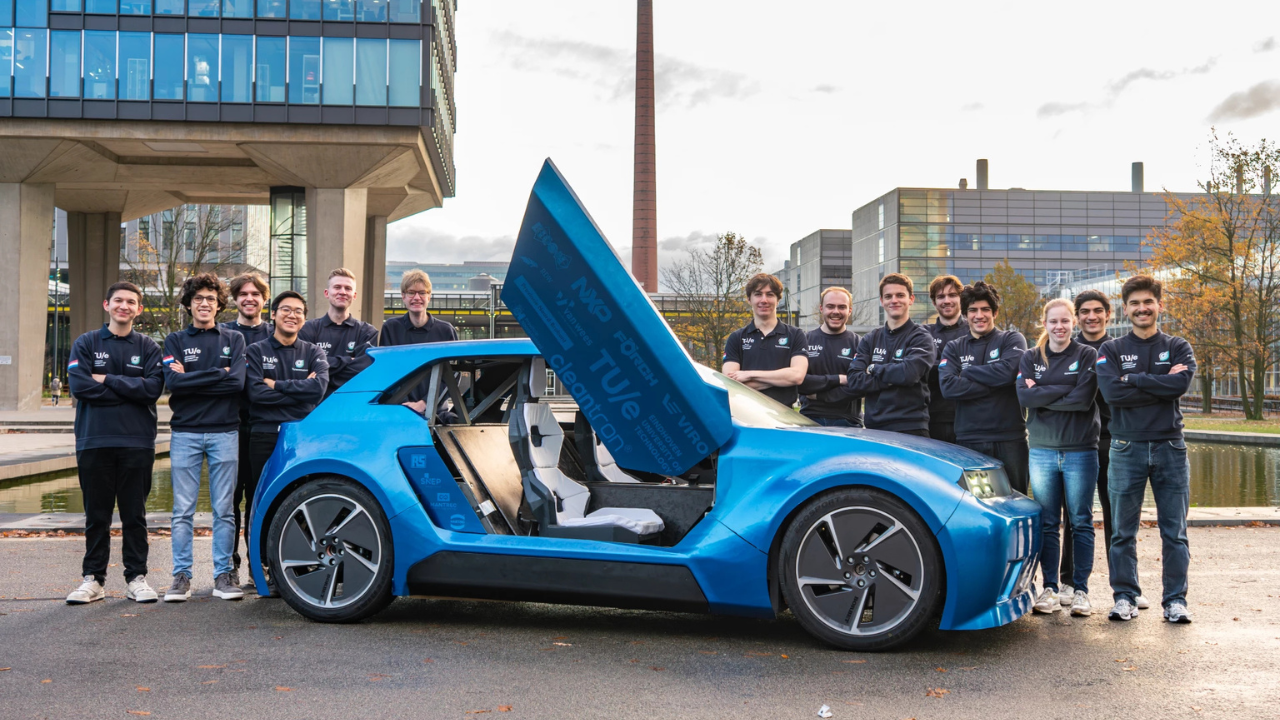
Image Credit: Sarp Gürel / TU/ecomotive.
Now, let's talk numbers, because if I don't give you some dry statistics, my editor will send me to a caravan review. The ARIA is never going to win a drag race against a cat. Its top speed is a rather leisurely 56 mph, and its total estimated range is just shy of a quarter of a tank on my old gas guzzler at 137 miles. But this isn't meant to be a transcontinental missile.
The real clever bit is the heart of the beast, the power source. Instead of one giant battery pack - the kind that costs more than my first house and requires a team of specialized surgeons to even look at - the ARIA uses six independent, interchangeable battery modules, and together they deliver a combined capacity of about 13 kWh. If one module decides to pack up and retire to the great charging station in the sky, you don't replace the entire assembly. You simply replace the one faulty module. It's like only replacing the dodgy resistor in a radio instead of tossing the whole thing out. Revolutionary!
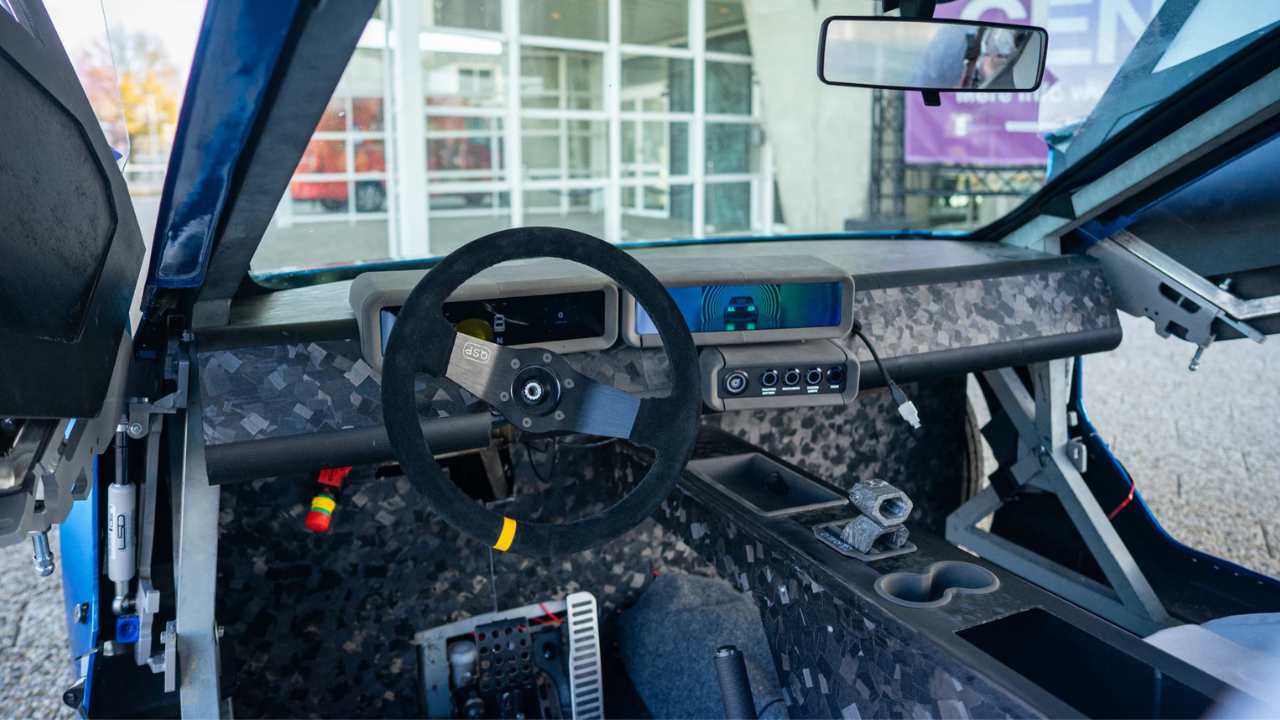
Image Credit: Sarp Gürel / TU/ecomotive.
But here’s where my scepticism really starts to struggle against genuine enthusiasm. The entire vehicle is a nod to the 'Right to Repair' movement - a common-sense push to make products that last and are designed to be fixable. The students have engineered the ARIA so that when a part fails, be it a body panel or some fiddly electronics, the owner simply connects a diagnostic app to the car's dashboard. This tells them exactly what’s wrong, gives them the instructions, and, presumably, pats them on the back. Then, using the small, included toolbox - I can't help but imagine a Lego instruction manual and a special little orange tool - they can swap out the components themselves. This means you don't have to suffer three hours of terrible coffee and forced small talk in a dealer's waiting lounge just to get a sensor reset. It's a miracle! And the thing about miracles is… they don’t happen that often, now do they?
The lack of the price is also a cheeky thumb-in-the-eye to the industry. The students have no plans to commercialize this prototype, which is probably a wise move, as the first car company to try selling a vehicle that doesn't guarantee them a steady flow of expensive service revenue would likely be vaporized by a laser from space. But philosophy is what counts. They are showing that sustainable, easy-to-fix design is possible, even for those of us whose mechanical expertise peaks at turning the ignition key. Team manager Taco Olmer (yes, Taco - I love these Dutch students already) said they want to push the EU to apply 'Right to Repair' rules to passenger cars. I suspect every major OEM is currently searching for a large, comfortable rock to hide under until this ARIA nonsense blows over.
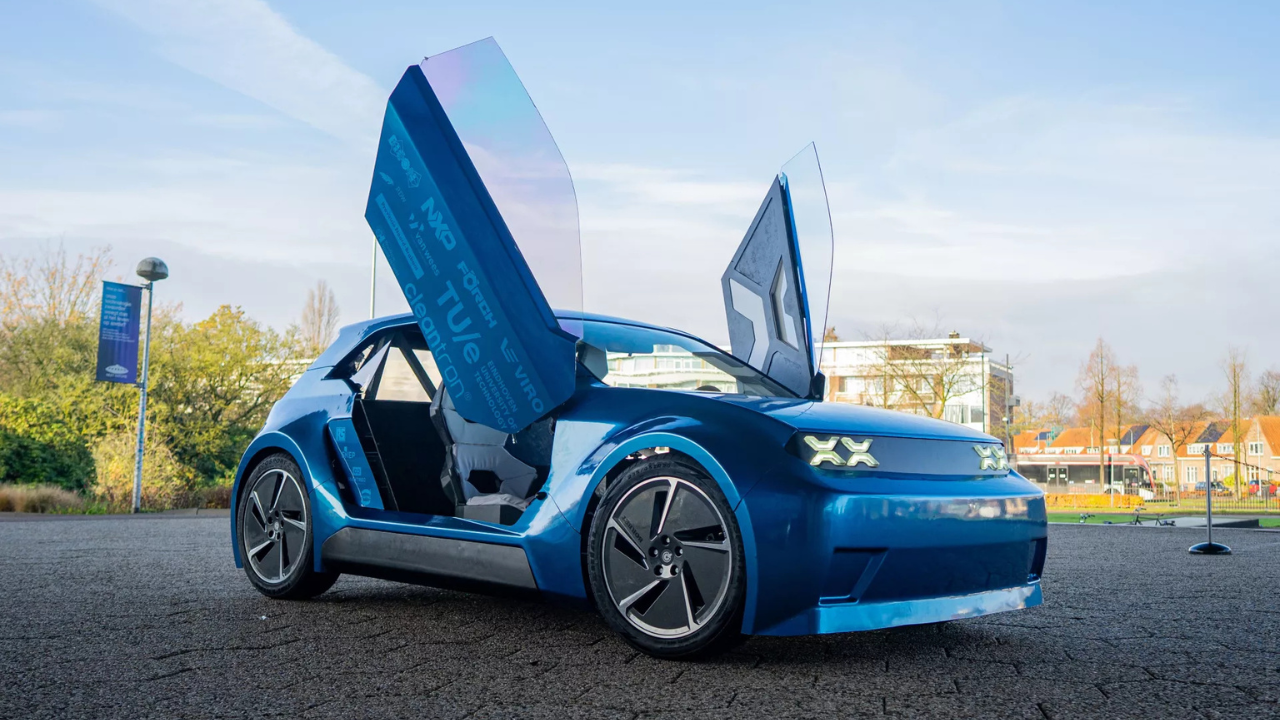
Image Credit: Sarp Gürel / TU/ecomotive.
Look, it’s not all sunshine and perfectly labeled spare parts. The modular design is an unproven concept in the long run. Splitting a car into easily fixable chunks might introduce maintenance problems that a more traditional, glued-and-welded design cleverly avoids. And while the idea is fantastic, the acceleration figures are currently a well-guarded secret, probably because the best way to measure them is with a calendar. And I’m certainly not going to speculate on the potential cost, but if the goal is ‘affordable,’ I’d hazard a guess that the parts for this would be significantly cheaper than a replacement headlamp unit for anything German, which usually seems to be priced in rare earth elements and the tears of a small child.
Still, what an idea. This ARIA is a friendly revolution on four wheels that tells a customer: "Here, you fix it. You own the car, not the other way around." It's a prototype, yes, and it’s a long way from my driveway, but if the major manufacturers don't start paying attention to this kind of thinking, they'll find a whole new generation of drivers who decide that paying a mechanic to spend six hours unplugging a $50 part is an obsolete idea. They'll just order the replacement online and swap it out over a weekend afternoon.
Enjoyed the article? Give us a 'LIKE' and FOLLOW us on MSN! We're tracking the electric future... even if it's still buffering.
