
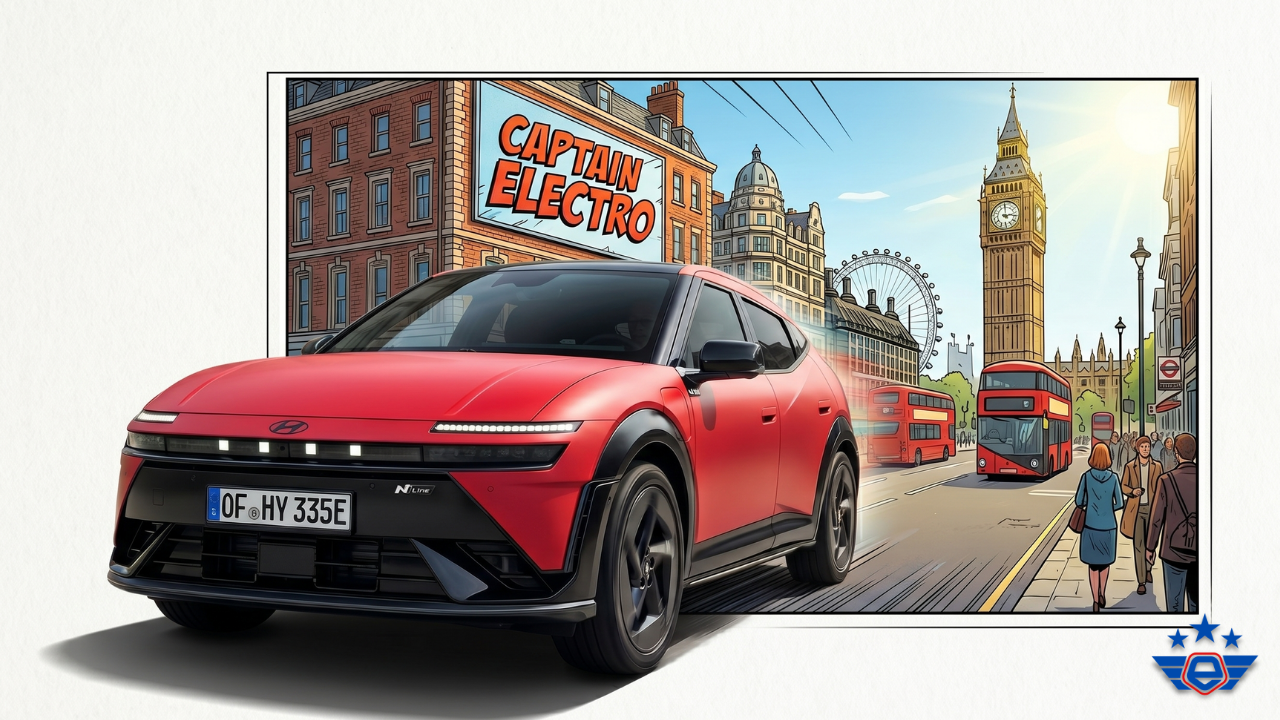
Image Credit: Captain Electro.
Hyundai finally unveiled its new Ioniq 3 and wow… That's an entirely different kind of "what on earth happened here?" It's a car that looks like a sleek Veloster went on a blind date with a Pontiac Aztek, had a few too many drams of whiskey, and woke up as an "aero hatchback."
I love a bit of electric wizardry, but this wee thing is a proper head-scratcher. It's the "baby brother" to the brilliant Ioniq 5, and it's meant to be the entry-level gateway into Hyundai's electric world. They've ditched the crazy three-door layout of the Veloster for a sensible five-door setup. Probably because normal people like being able to get into the back seat without performing a Cirque du Soleil routine.
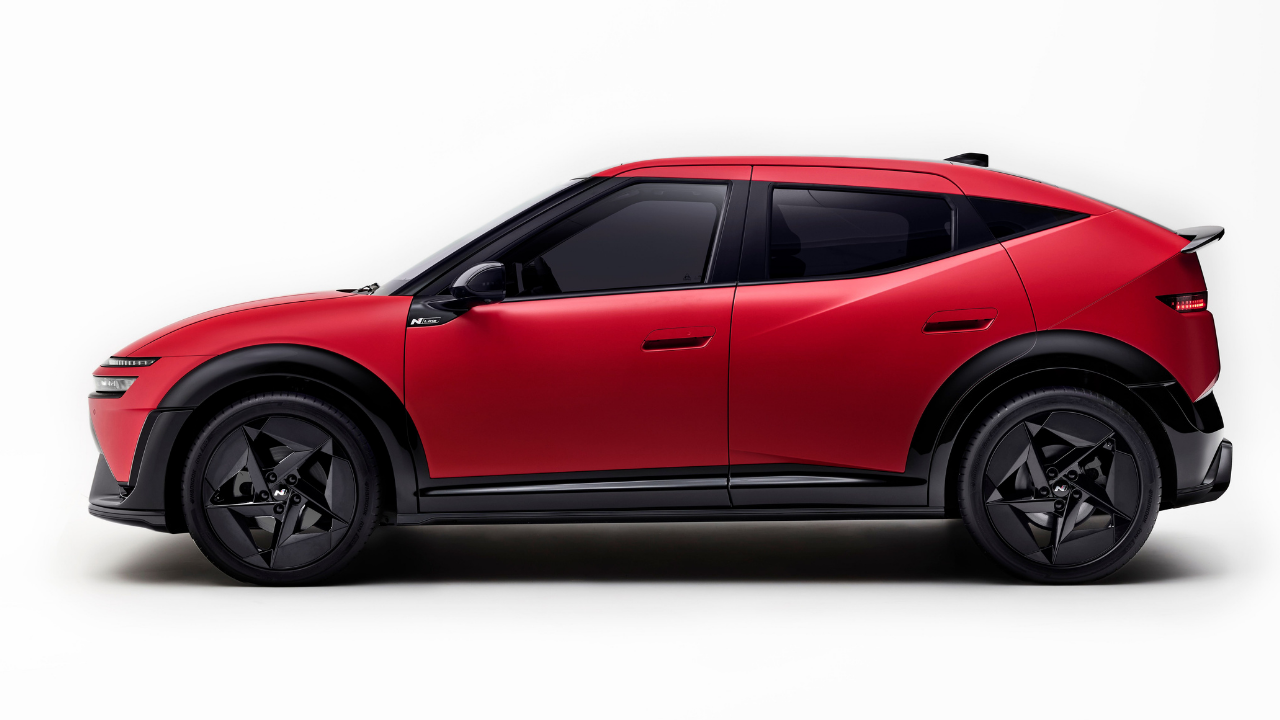
Image Credit: Hyundai.
Hyundai calls the new styling "aero hatchback." That's PR-speak for "we tried to make it slippery but forgot where the back end was going." It measures about 164 inches in length, making it a tiny tot on the road. However, it has a 105.5-inch wheelbase, which is the same as an Elantra. That's a Corgi with the legs of a Greyhound - odd to look at, but surprisingly stable.
The front has split LED lights and four dots that spell "H" in Morse code. It is supposed to signify Hyundai, but maybe it's signaling for help? At the back, there's a split window bisected by a massive horizontal bar - reminds me of my old Honda Civic Type-R FN2. It wants to be a supercar wing, but it's actually there just here to help with the 0.263 drag coefficient.
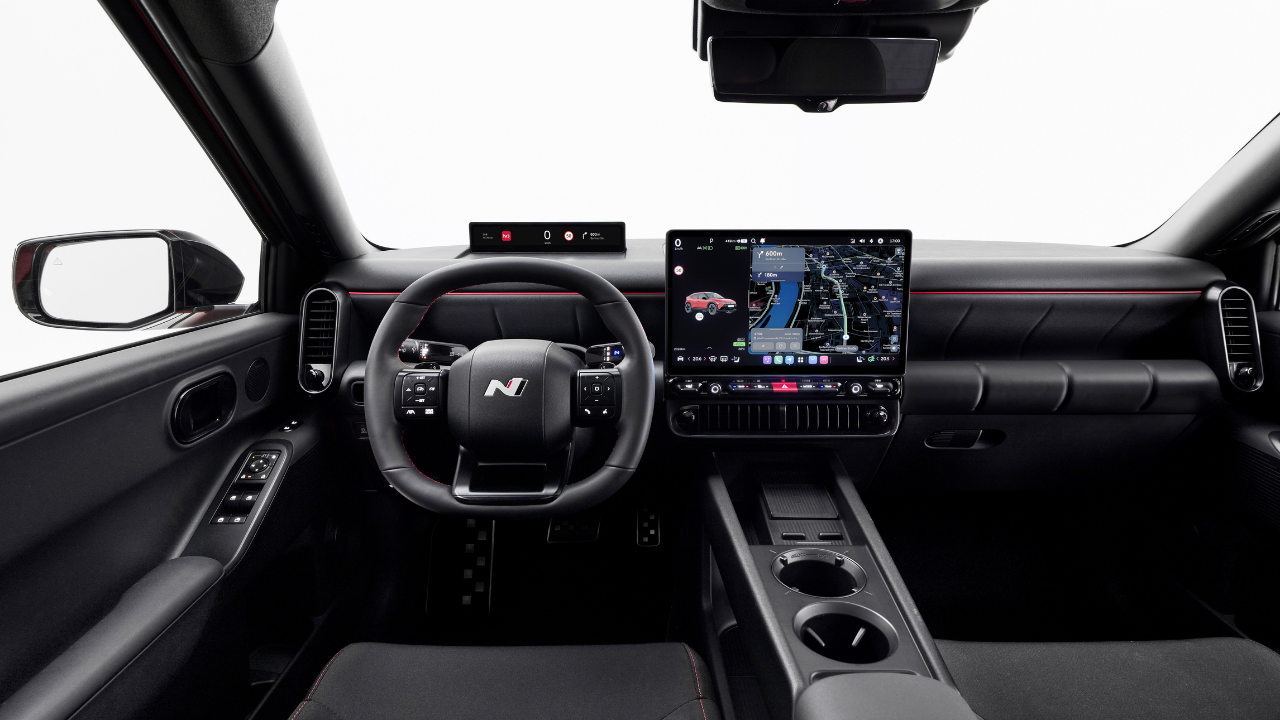
Image Credit: Hyundai.
Inside, things get much more civilized. The centerpiece is a 14.6-inch touchscreen on the fancy models, while the "cheap seats" get a 12.9-inch version. It runs a new Google-based system called Pleos and there are physical buttons! Hallelujah! Someone at Hyundai has finally realized that poking a screen to change the temperature while driving is like trying to perform surgery during an earthquake.
There are actual switches for the climate control and tactile buttons on the steering wheel. Hyundais have even moved the gear lever to a stalk on the steering column, freeing up space for cupholders, cubbies, and a wireless charging pad. Practical, clever, and actually quite grand.
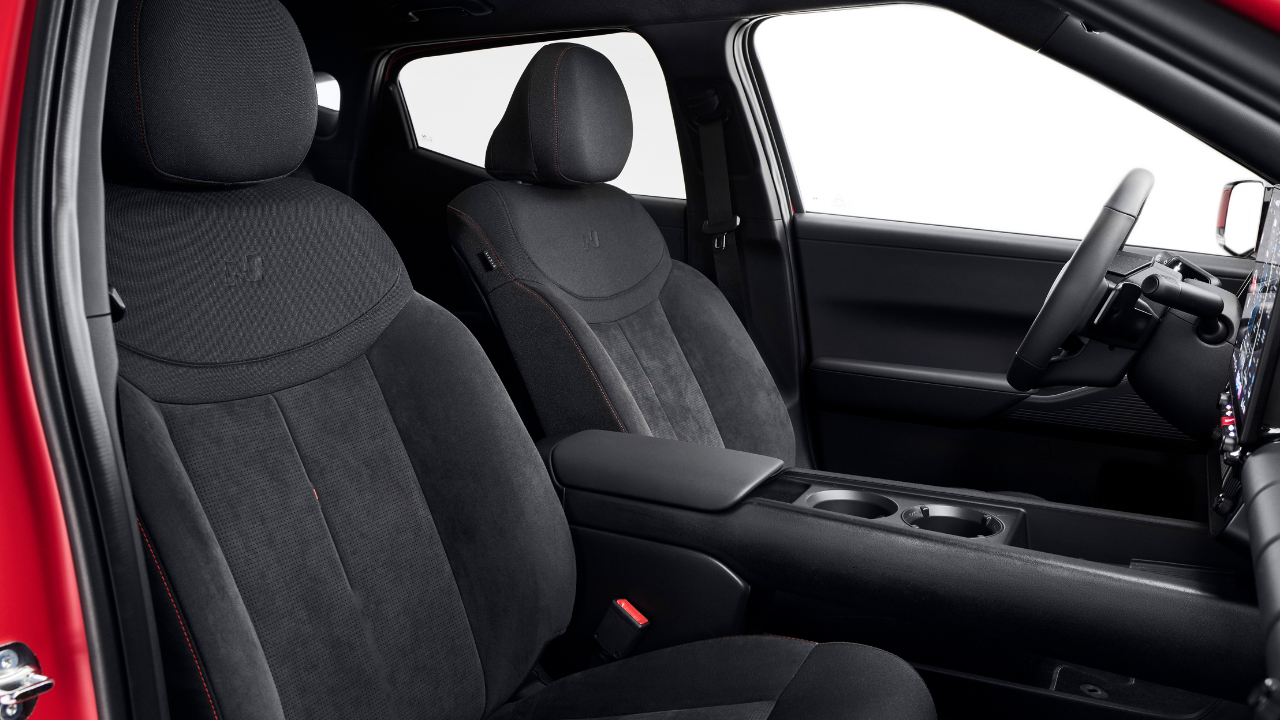
Image Credit: Hyundai.
The numbers are where my sarcasm might leak out a bit. The Standard Range model comes with a 42.2 kWh battery and a motor delivering 147 horsepower. This setup will give you about 214 miles of range. That's... fine. It's the "going to the shops and back" version.
Then there's the Long Range model. It gets a bigger 61 kWh battery, stretching the range to 308 miles. But here's the weird part: it only has 133 horsepower. You get more range, but fewer ponies. Essentially, you are buying a bigger pair of running shoes but being told you're only allowed to walk in them. Both versions have 184 lb-ft of torque, so at least it won't feel like a damp squib off the line.
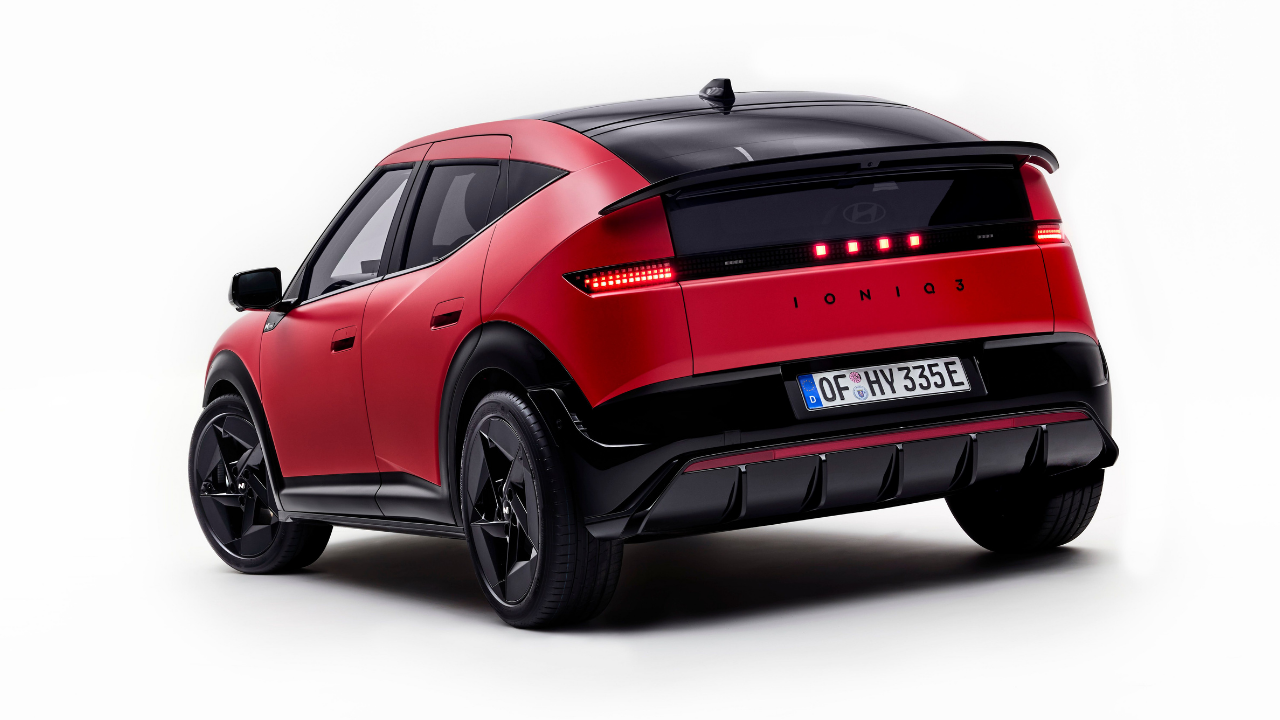
Image Credit: Hyundai.
If those power figures make you want to go back to sleep, don't worry. Hyundai's "N" division is allegedly cooking up a hot hatch version, possibly with dual motors and 288 horsepower. Now that sounds like a proper laugh. It would have the stance of a bulldog and the speed of a startled cat.
But here's the punchline to this whole story: you can't have one. Not if you live in the States. It's being built in Turkey for the European market. If they shipped it to America, the tariffs would make it more expensive than a gold-plated steak. So, we get to watch Europe hoon around in their "mini-Azteks," as we keep dreaming of the day small, quirky EVs make sense on US shores.
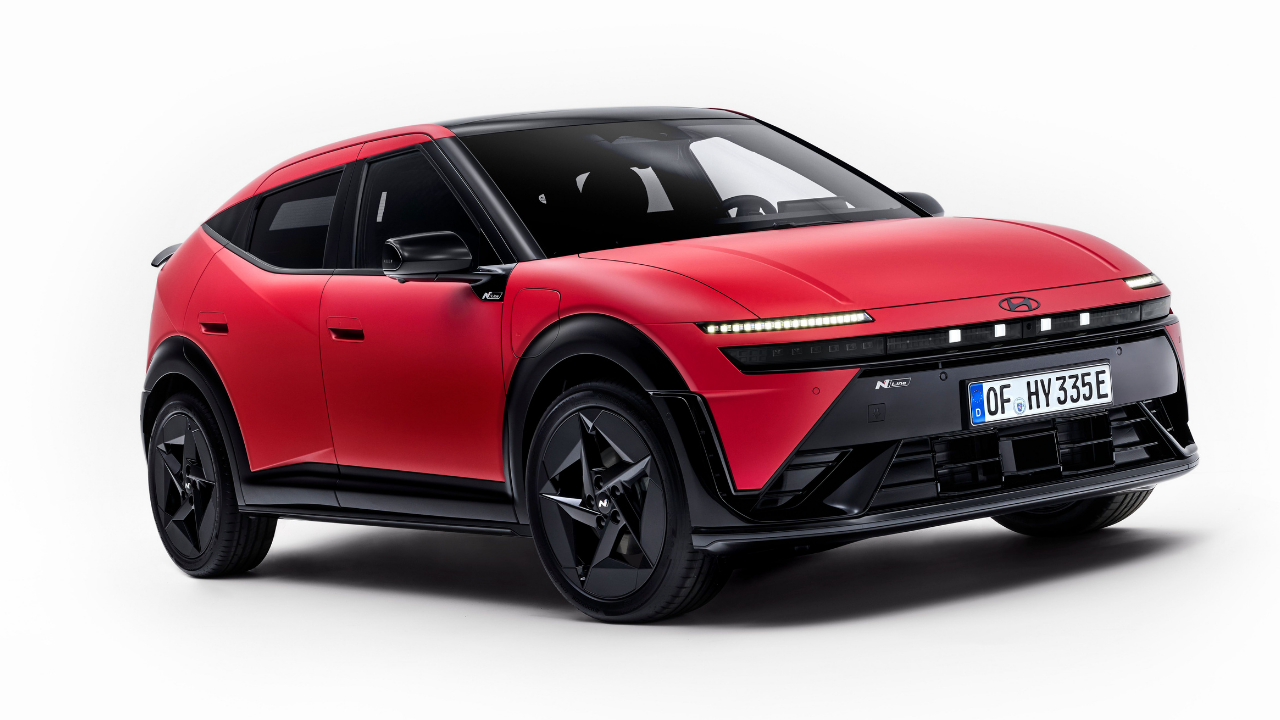
Image Credit: Hyundai.
Enjoyed the article? Give us a 'LIKE' and FOLLOW us on MSN! We're tracking the electric future... even if it's still buffering.
