
Image Credit: Captain Electro.
A large part of my life has been wasted waiting for things. Waiting for the rain to stop, waiting for a decent pint, and mostly, waiting for electric cars to stop being a massive pain in the backside. But then China's BYD goes and launches the Blade 2.0, and suddenly, my scheduled thumb-twiddling at the charging station has been cut shorter than a summer in Scotland.
On March 5, 2026, BYD decided to make our EV tech look like a collection of damp double-As. They've split their new battery lineup into "Short" and "Long" formats. The Short Blade is a little sliver of magic - about 18 to 23 inches long - designed for pure speed. It's got an 8C peak charge rate - that means it can go from a 10% to 70% charge in just five minutes. You barely have enough time to find a clean restroom before the car is ready to go again.
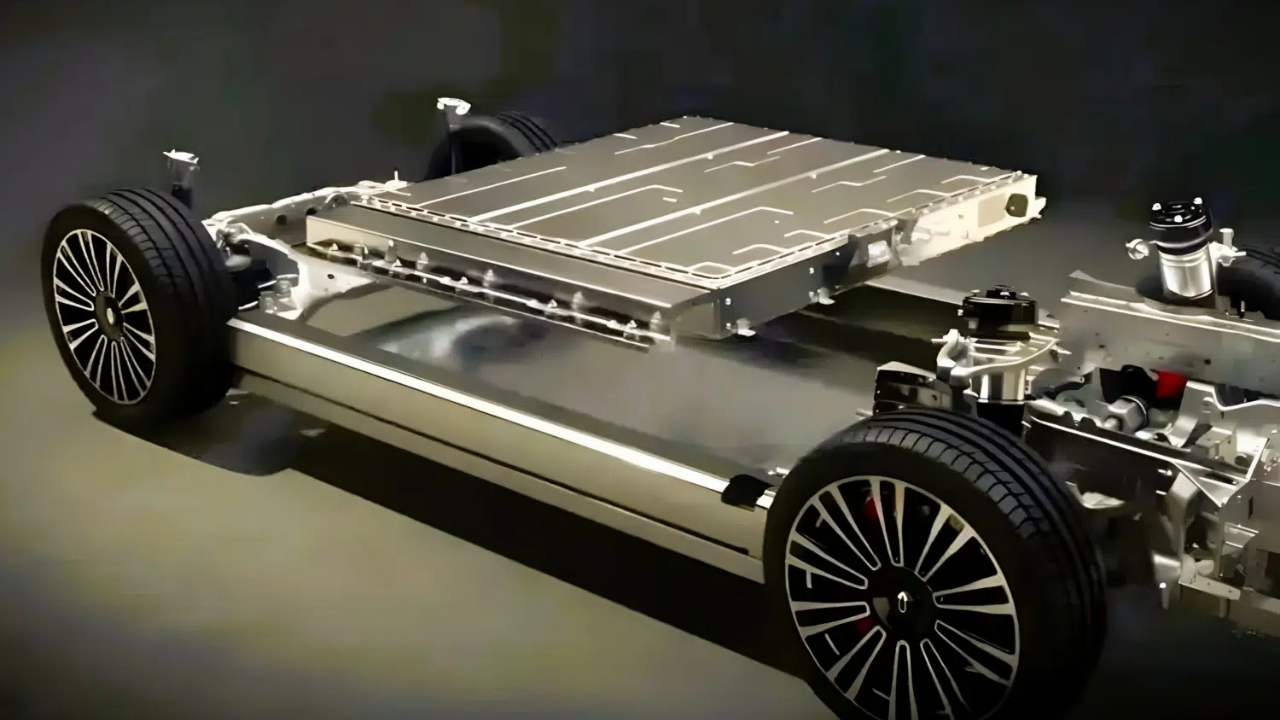
Image Credit: BYD.
How do they do it? They've slapped in something called "Flash-Release Architecture" with a high-speed lithium-ion channel. It sounds awfully complicated (and probably it is), but it basically allows electricity to move through the battery faster than a rumor in a small village. This tech is designed for high-performance monsters running on 800V to 1000V platforms. Clever, fast, and it makes our local charging infrastructure look like a hand-cranked Victorian toy.
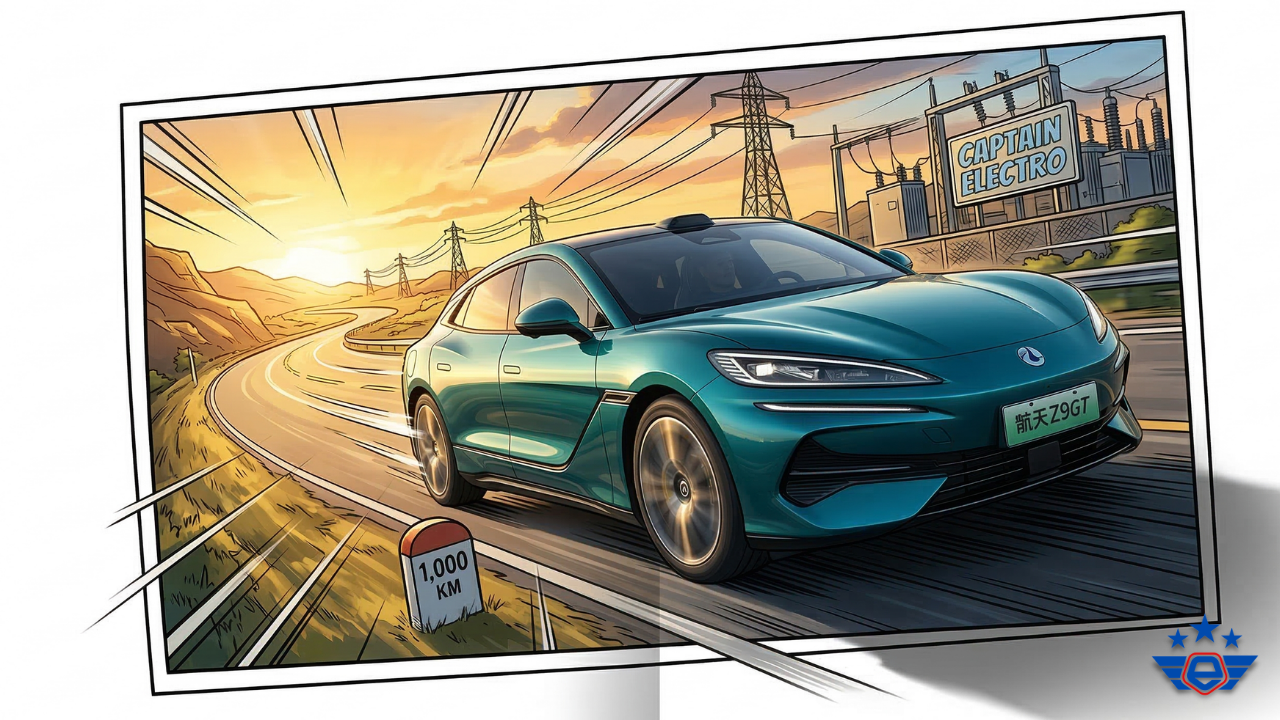
Then we have the "Long Blade" for those of us who actually want to go somewhere without stopping every hour. This version uses Lithium Manganese Iron Phosphate - or LMFP if you're into alphabet soup - and it's a bit of a marathon runner. They've stuffed a 120 kWh pack into the Denza Z9 GT, giving it a range of roughly 643 miles. Sure - that number is courtesy of the Chinese testing routine, which is as optimistic as my plans for the summer, but even if it manages 550 miles - that's a huge deal.

Image Credit: BYD.
The energy density in the new batteries has jumped to about 190–210 Wh/kg, which is a massive 40% improvement over the old stuff. BYD is using "Cell-to-Body 2.0" integration - they've figured out how to use 76% of the battery's volume for actual power rather than just wasted space and heavy metal. It's lean and a lot cheaper to build than the CATL Kirin batteries everyone else is obsessing over.
Of course, there is a catch. There's always a catch… This ultra-fast charging requires some seriously spicy electrolytes, which adds about $207 to the cost of a 75 kWh pack. That might not sound like much, but when you're BYD and your sales growth cooled down to 7.7% last year - and plummeted 30% in early 2026 - every dollar counts. BYD is feeling the squeeze of a mature market, and it is throwing tech at the problem like a man trying to fix a leaky roof with gold leaf.
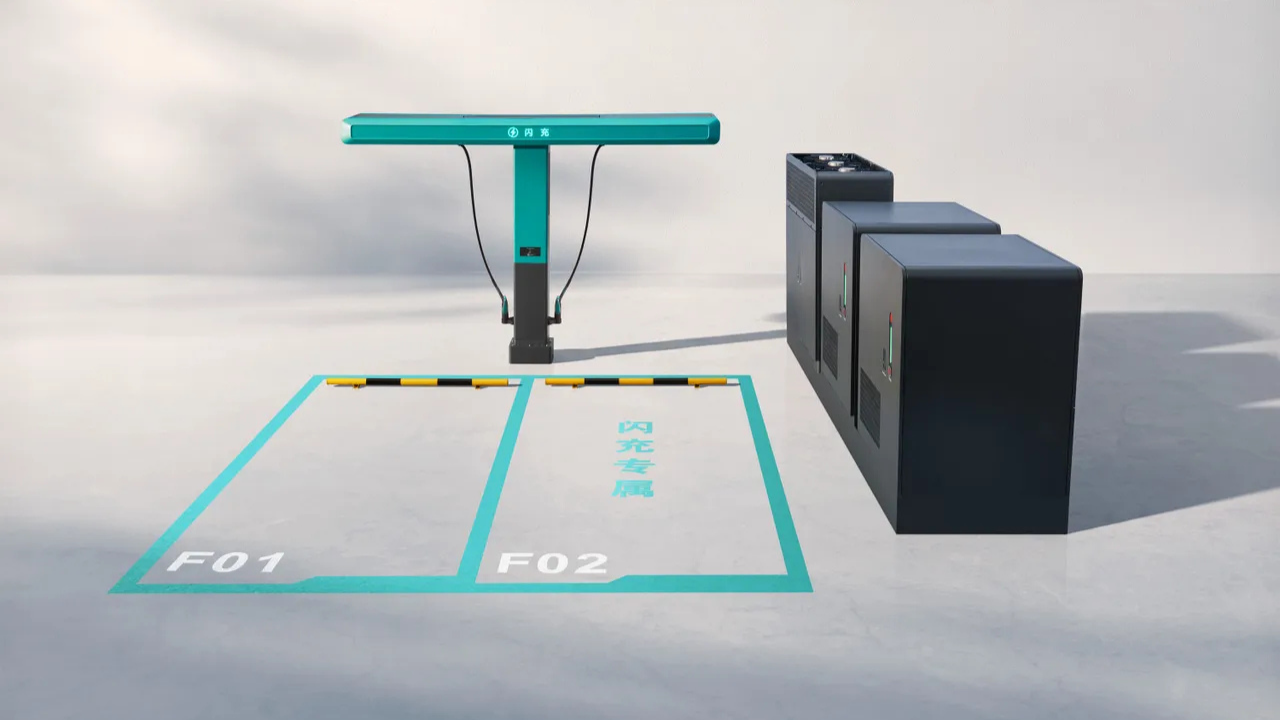
Image Credit: BYD.
To support the lightning-fast 1,500 kW charging (yes - 1,500 kW), BYD is planning to build 20,000 "FLASH" stations by the end of 2026. They're spending over $690 million on this, with each individual charging pile costing $82,850. BYD is colonizing about a third of China's highways with these chargers. It's an aggressive, wallet-emptying strategy designed to stabilize the home turf and hit a massive export target of 1.3 million units this year.
It's all very impressive, but it's also a bit depressing. When we're over here arguing about whether a 50 kW charger is "rapid" or not, BYD is building an ecosystem that could charge a luxury sedan in the time it takes to eat a sandwich. Their high-end brands like Denza and Yangwang are getting a 12-model offensive to show off this gear. Meanwhile, our tech feels like it's being held together with hope and sticky tape.
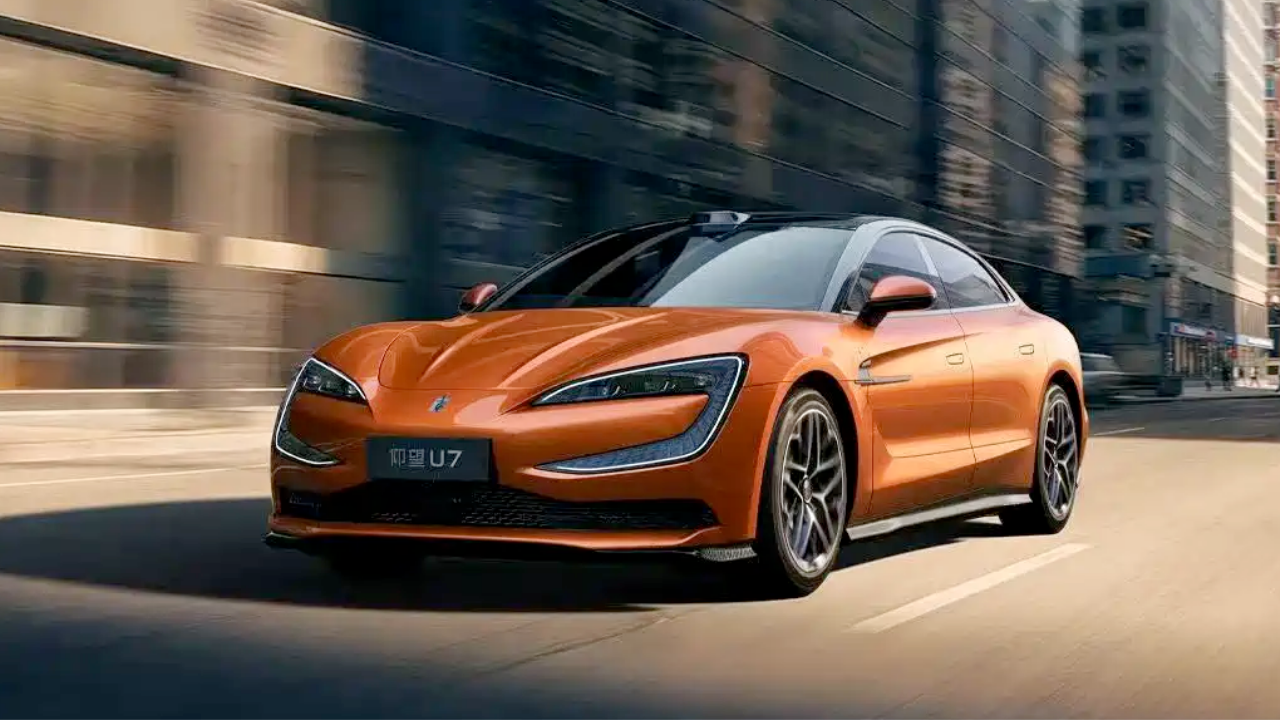
Image Credit: BYD.
Will we ever catch up? I wouldn't bet my house on it. We've spent so much time complaining that EVs are rubbish that we've let the Chinese turn them into something genuinely spectacular. The Blade 2.0 is a massive wake-up call. It's fast and efficient. And it's about to leave us all in the dust - literally.
Enjoyed the article? Give us a 'LIKE' and FOLLOW us on MSN! Or Buy us coffee :) Thank you for all your support!
