Image Credit: CATL.
The roar, the rumble, the delightful plumes of noxious fumes - it's the soundtrack of transport. But that noise now costs more than a small Caribbean island, and the planet is starting to give us the side-eye. And so, here we are, at the inevitable pivot to the electric future, which is the most boring and most exciting thing to happen at the same time.
We've all seen the numbers. On land, the revolution is well underway. The Chinese giant, CATL, is currently running a rather large portion of the world's electric car park. They are the reigning champions of the battery business, stuffing so many lithium cells into vehicles that their market share is a truly mind-boggling 38 percent globally.
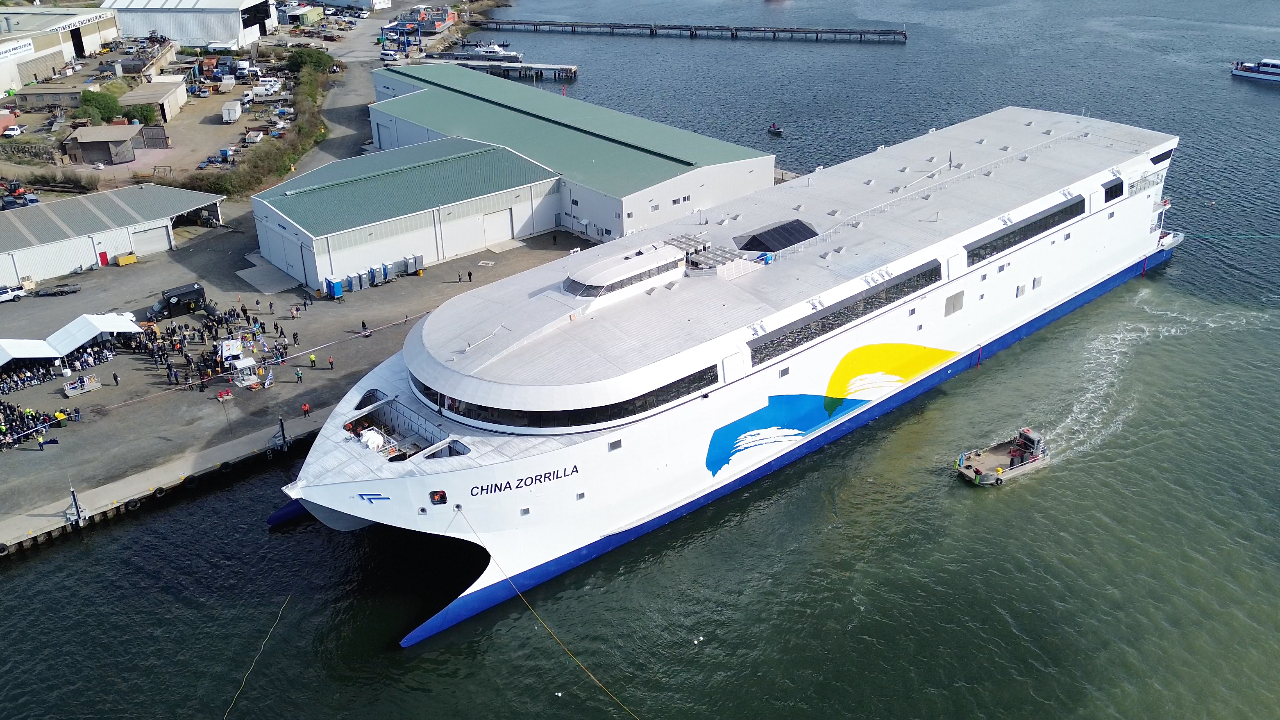
Image Credit: Incat.
They installed over 355 gigawatt-hours of power in ten short months. That's a lot of juice. In fact, it's such an enormous amount of energy, I suspect they could power a small moon if they needed to. They've managed to convince us all that strapping what is essentially a volatile chemical bucket to a sedan is a brilliant idea. And, to be fair, they mostly were right.
But moving from the family hatchback to something that floats - that's a different kettle of very salty fish. We've heard the promises about electric marine transport for years, and CATL has been dipping its toes in since 2017. They've already supplied batteries for nearly 900 vessels, which, if you're keeping score at home, gives them a dominant 40 percent share of the entire world market for electrifying things that float. That's an impressive haul. Most of these, though, are navigating inland rivers, placid lakes, or hugging the coastline. So, a very civilized Sunday drive, but wet.

Image Credit: COSCO.
The real news came out of a recent briefing in Shanghai. Su Yiyi, the head of the CATL marine division, stood up and gave us a prediction that should make every old-school sea captain check his life vest. He said that in the near future - and when he says "near future," he means a shockingly precise three years - we are going to see pure-electric vessels successfully navigating the open seas.
Three years. That's barely enough time to teach a pigeon to land on a flagpole, let alone revolutionize ocean transport. It takes more than a handful of AA batteries to get a ship across the Atlantic. We are talking about something that has to contend with waves the size of apartment buildings, currents that laugh at your best nautical efforts, and distances that make the average American road trip look like a quick trip to the mailbox.
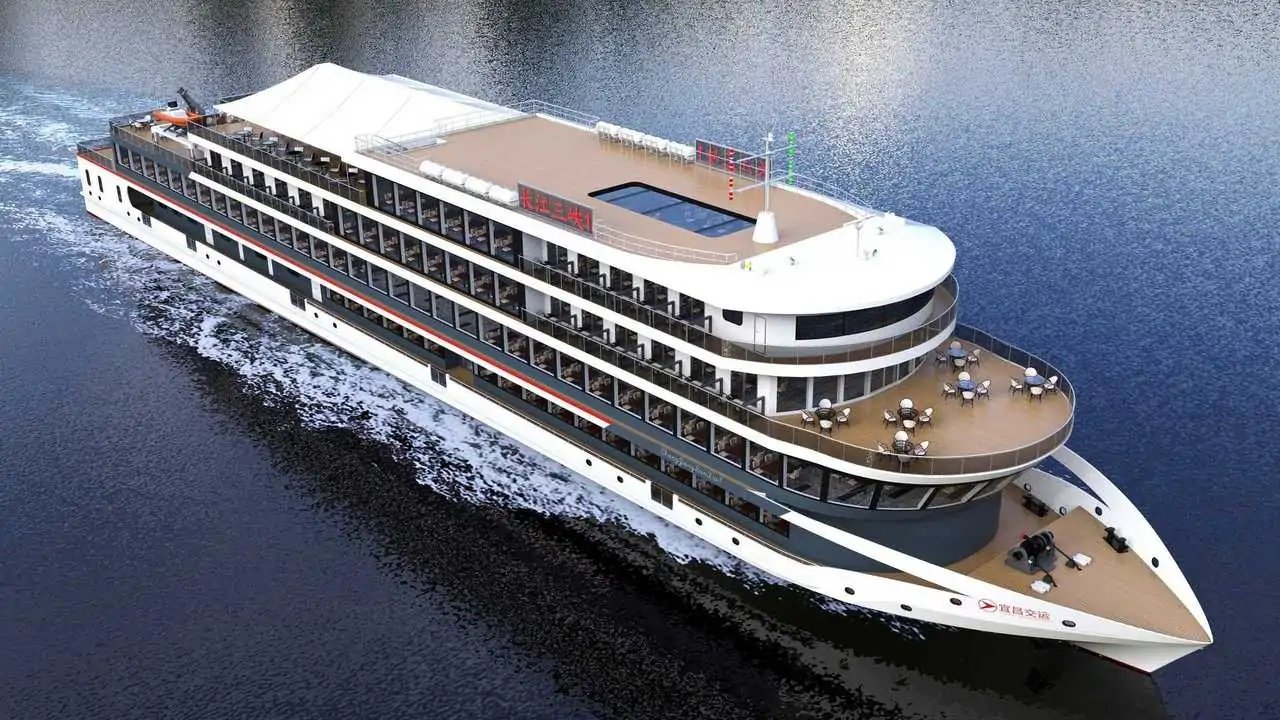
Image Credit: CATL.
And here's where my skeptical core starts to ache. I'm an enthusiast, yes, but I also like details. I love to pore over a good spec sheet. I need to know the guts of the machine. Alas, when you try to hunt down the precise dimensions, the specific power outputs, the exact battery capacity for these miraculous, ocean-taming electric leviathans, you hit a wall of magnificent silence.
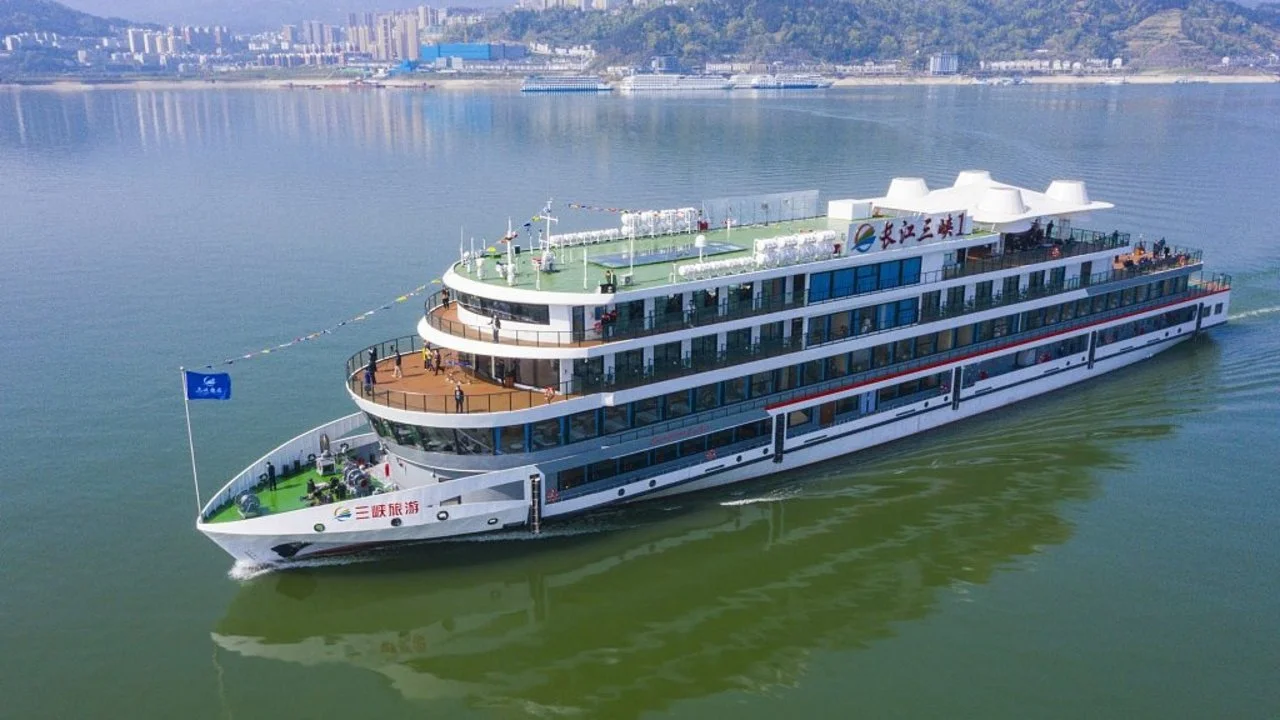
We know they are using cells, like the 10,000 LFP cells they put in the Yangtze River Three Gorges No. 1 river cruise ship back in 2020 - a ship that, at the time, was a record holder for passenger capacity and power. But a river cruise is not a global freighter. That's the equivalent of saying your electric golf cart proves you can now drive the entire 2,500 miles from Los Angeles to New York. I'll wait for the full data set, thank you very much. For now, we must assume that the prices, dimensions, and acceleration are "adequate" and "not for sale yet."
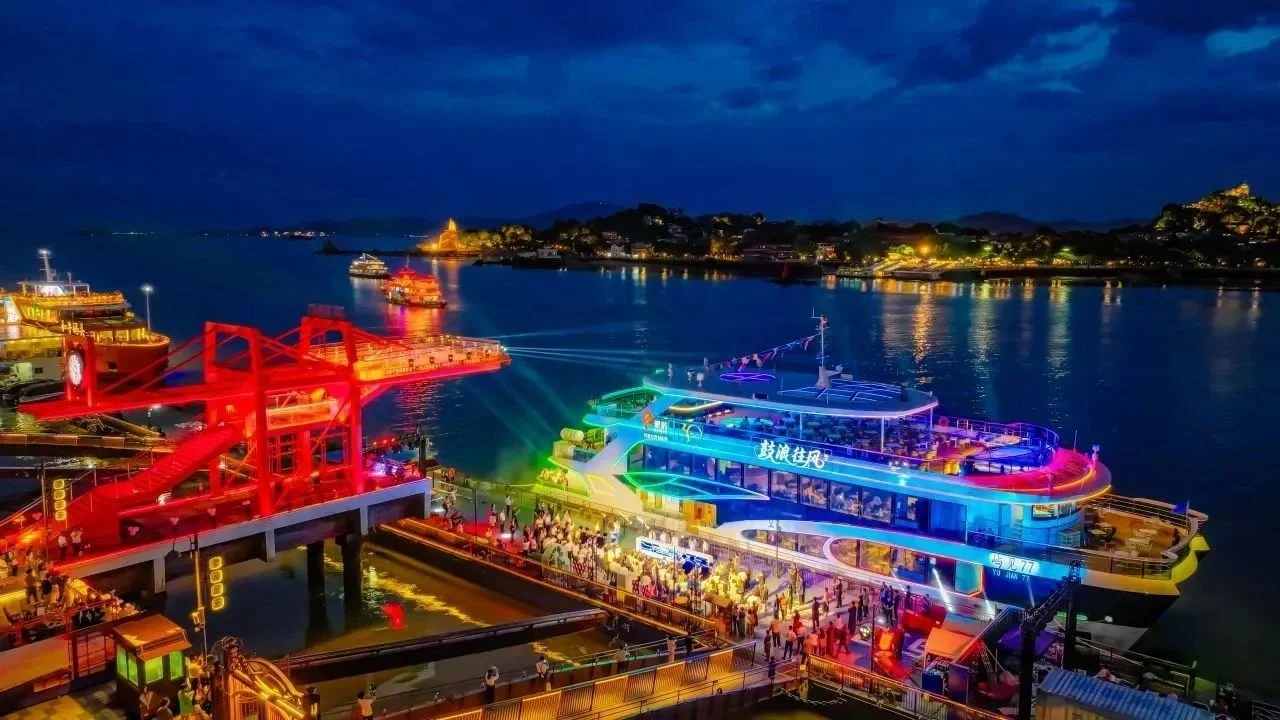
Image Credit: CATL.
The fact is, what they have accomplished is already quite remarkable. They helped develop a tourist vessel, the Yujian 77, which successfully commenced operations along the coast this past summer. The whole point of that exercise was to prove that pure-electric tech works perfectly fine for coastal navigation - delivering a low-noise, zero-emission cruise. If you've ever been stuck on a ferry with an engine that sounds like a thousand angry wasps, you'll appreciate the low-noise bit. It's a genuine quality-of-life upgrade.
Then you have the side projects. CATL is also involved with an eVTOL startup called Autoflight, and they've developed a waterborne vertiport. A floating landing pad, powered by batteries, that supports electric aircraft takeoffs, landings, and charging. Think about that for a second. We're not just powering the boats; we're powering a landing strip on top of the boats for electric planes! I'm picturing a massive barge with a single tiny electric helicopter sitting on it. Wildly futuristic, and unnecessary for most of us, but just plain fantastic.
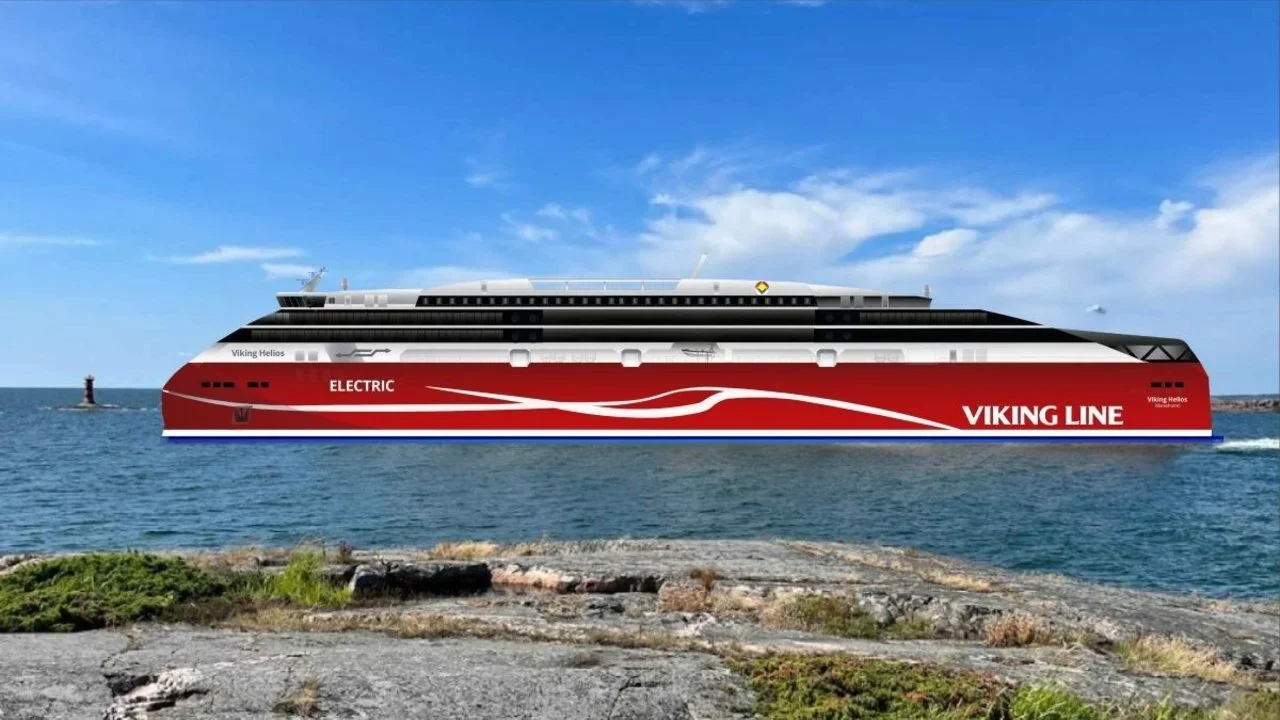
Image Credit: Viking Line.
The technology is certainly advancing rapidly. As those lithium-iron-phosphate cells become more energy-dense, it means you can strap on less weight for more range, which is the eternal struggle of every vehicle designer, whether they're building a pickup truck or a destroyer. To cross the Pacific, you need monumental range, which translates to colossal batteries. If you fill up a ship with batteries, how much room is left for the cargo that pays the bills? That, my friends, is the billion-dollar question. And it's why the three-year target feels less like a guarantee and more like an extremely confident, slightly sarcastic wager.
But look, I remember when people scoffed at electric cars that could only go 100 miles. Now, they drive 500 miles and can beat a supercar off the line. Of course, I'm skeptical about seeing a fully-electric container ship sailing past Cape Horn in the winter of 2028. But I'm also wildly excited. CATL has the money, the market dominance, and, clearly, the nerve to try it. And when they pull this off, the days of scrubbing diesel stains off the deck will be over. Instead, we'll be worrying about where to plug in the world's largest extension cord.
Enjoyed the article? Give us a 'LIKE' and FOLLOW us on MSN! We're tracking the electric future... even if it's still buffering.
